2026 Best House Generator Options for Reliable Power Supply?
In today’s world, power stability is essential for households. Natural disasters and extreme weather events increasingly threaten this stability. According to the U.S. Energy Information Administration, nearly 30% of American households faced outages last year. A reliable house generator can ensure continuous power during such disruptions.
Homeowners often overlook the benefits of a dependable power source. Choosing the right house generator can be daunting. However, it is critical to consider size, fuel type, and features. Reports indicate that portable generators are gaining popularity, as they are versatile and easy to store. Yet, fixed standby generators offer unmatched reliability for serious outages.
Each house generator option comes with pros and cons. Budget considerations and energy needs can lead to tough choices. Additionally, maintenance requirements add another layer to the decision-making process. It's important to reflect on your specific needs and conduct thorough research. In the end, the right choice can safeguard your comfort and security at home.
Understanding the Importance of a Reliable House Generator
A reliable house generator is essential for managing unexpected power outages. According to industry reports, over 60 million people experience power interruptions each year in the U.S. alone. These outages can last for hours or even days, affecting daily life and safety. Homeowners must consider the implications of losing power, especially during extreme weather conditions.
Without power, critical appliances fail. Refrigerators stop, leaving food to spoil. Heating systems shut down, creating health risks in cold months. In fact, studies suggest that homes without backup generators face potential losses upwards of $1,000 during a single outage. This figure highlights the importance of investing in a quality generator to ensure business continuity and personal comfort.
However, many homeowners remain unaware of essential generator specifications. It’s not just about wattage; understanding fuel types and maintenance needs is crucial. A silent model may sound appealing, yet it could lack the power capacity necessary for larger homes. Every situation is unique, and a one-size-fits-all approach often leads to regrets later. Evaluating energy needs critically can prevent those painful realizations.
Key Features to Look for in House Generators
When selecting a house generator, it's crucial to focus on key features that ensure reliable power supply.
Power output is vital. Assess your energy needs based on essential appliances and systems.
You wouldn’t want to run your refrigerator and heating system at the same time without sufficient power.
Capacity matters. Look for generators that provide enough wattage to cover these requirements.
Fuel type is another important aspect. Generators can run on propane, natural gas, or gasoline.
Each has its pros and cons. Propane offers a longer shelf life, while gasoline can be convenient.
However, you should consider availability in emergencies.
Noise level also plays a role in your choice. Some generators can be disturbingly loud, which may be inconvenient during power outages.
Inverter generators are often quieter and more efficient, though they may have lower output.
Think about this when making your decision.
Portability is essential, especially if you plan to use your generator in various locations.
Heavy models can be a hassle. Always factor in maintenance requirements as well.
A generator that’s tough to service might lead to overlooked issues.
Choose wisely, and remember that it's about finding the right balance for your unique needs.
Different Types of House Generators Available in 2026
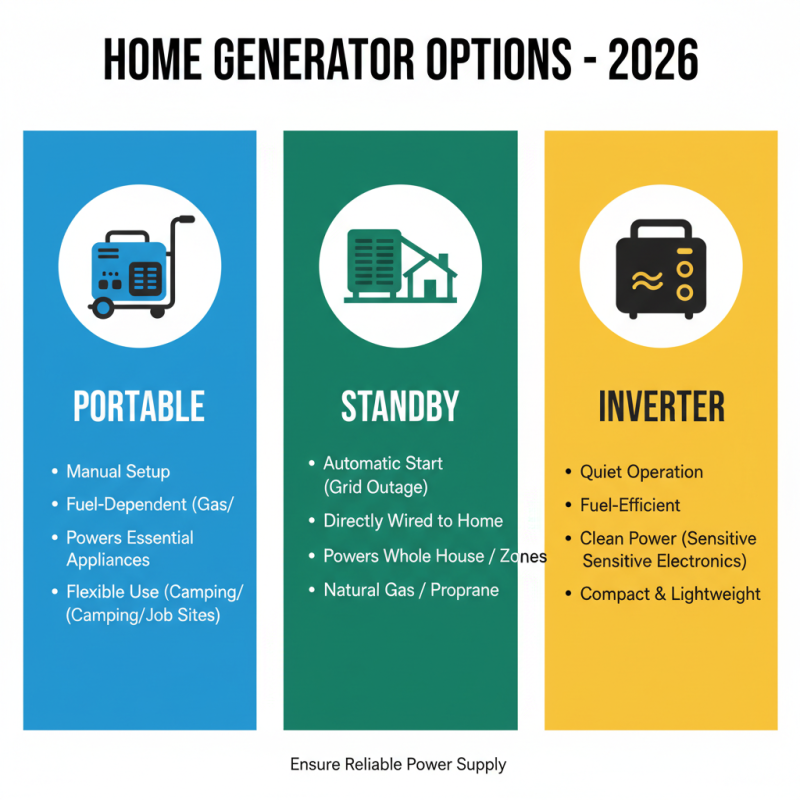
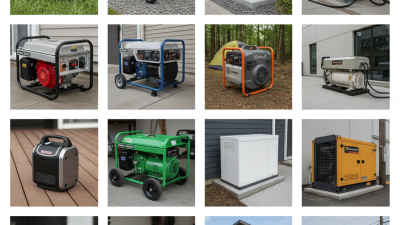
In 2026, homeowners have various generator options to ensure a reliable power supply. The main types include portable, standby, and inverter generators. Each type serves a distinct purpose and offers unique benefits.
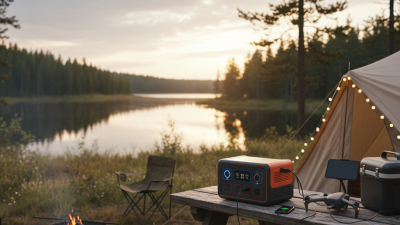
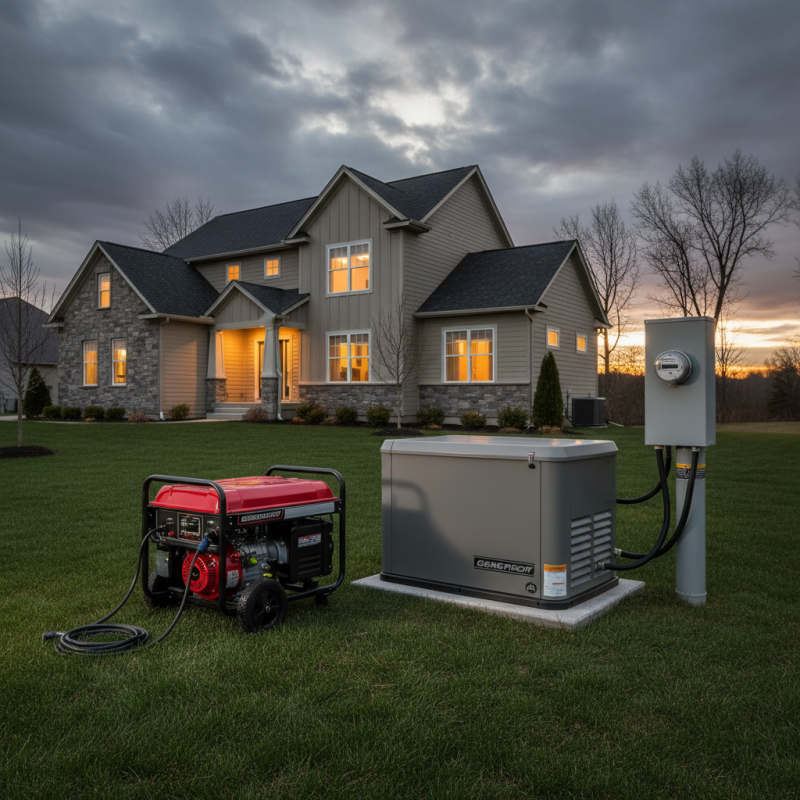
Portable generators are ideal for casual use. They typically provide 3,000 to 7,500 watts of power. According to industry data, these models account for over 40% of sales. They’re lightweight, making them easy to move for outdoor activities or emergencies. However, their fuel consumption can be high during extended use.
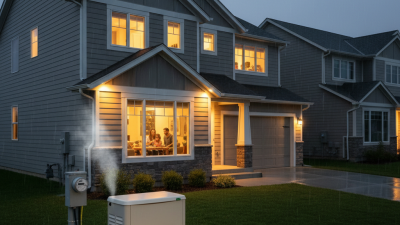
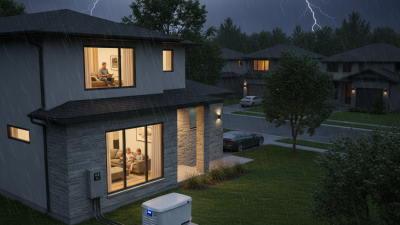
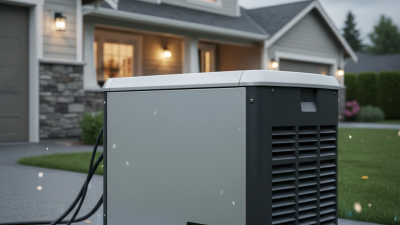
Standby generators automatically kick in during outages. They can provide power to an entire home, delivering 10,000 watts or more. A report from a leading energy firm notes their growing popularity, with a 25% increase in installations last year. Still, they require professional installation and a significant investment. This can be a barrier for some consumers.
Inverter generators are gaining traction due to their efficiency. They adjust power output based on demand, which saves fuel. These generators are quieter and typically provide cleaner energy, ideal for sensitive electronics. But, they often have lower wattage, making them less suitable for larger homes. Understanding these differences helps homeowners choose the right generator for their needs.
Top Brands and Models for Home Generators in 2026
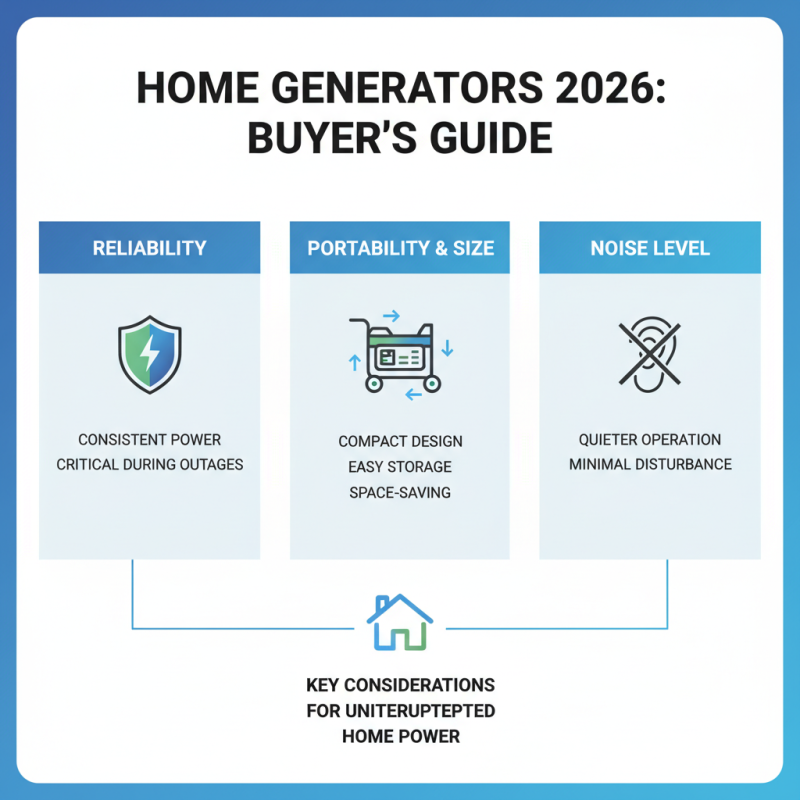
When considering the best house generator options for 2026, it is crucial to explore various brands and models. Homeowners often prioritize reliability during power outages. Look for generators that offer consistent performance. Many users appreciate portability. Compact models can save space and are easier to store. Noise levels also matter; quieter generators are favored by those who dislike disturbances.
Another essential factor is fuel type. Some generators run on gasoline, while others use propane or diesel. Each option has its pros and cons. For instance, propane is clean and efficient, but availability might be an issue. Users should evaluate their needs. Capacity is another aspect to consider. A generator that doesn't meet power demands could cause frustrations.
There is also the matter of maintenance. Many generators require regular upkeep to function effectively. Neglecting maintenance can lead to problems. Some users might overlook this, only to find their generators failing when needed the most. It's important to reflect on these details to ensure a wise choice. Reliability matters when the lights go out.
Installation and Maintenance Tips for Optimal Generator Performance
When installing a generator, proper location is crucial. It should be placed on a stable surface away from flammable materials. A distance of at least 5 feet from windows is recommended. This prevents harmful fumes from entering your home. According to the National Fire Protection Association, improper placement results in a significant increase in fire hazards. Regularly check your generator's ventilation. Blocked exhaust can lead to dangerous carbon monoxide buildup.
Maintenance is key for optimal performance. Change the oil and filters every 50-100 hours of operation. Fresh oil helps the engine run smoothly. The American Petroleum Institute suggests using high-quality oil to enhance engine life. Don’t forget to inspect fuel lines regularly. Deterioration can lead to fuel leaks and potential fires. Monitoring the battery health is another area often overlooked. A charged battery ensures your generator starts when needed.
Listening for unusual noises is important too. Strange sounds may indicate mechanical issues. Regularly test the generator under load conditions. This confirms that it functions correctly. Many users forget this step, leading to failures during outages. Tracking performance can help identify problems early. Investing time in these practices reduces long-term costs and improves reliability.