2026 How to Choose the Best Electric Generator for Home Use?
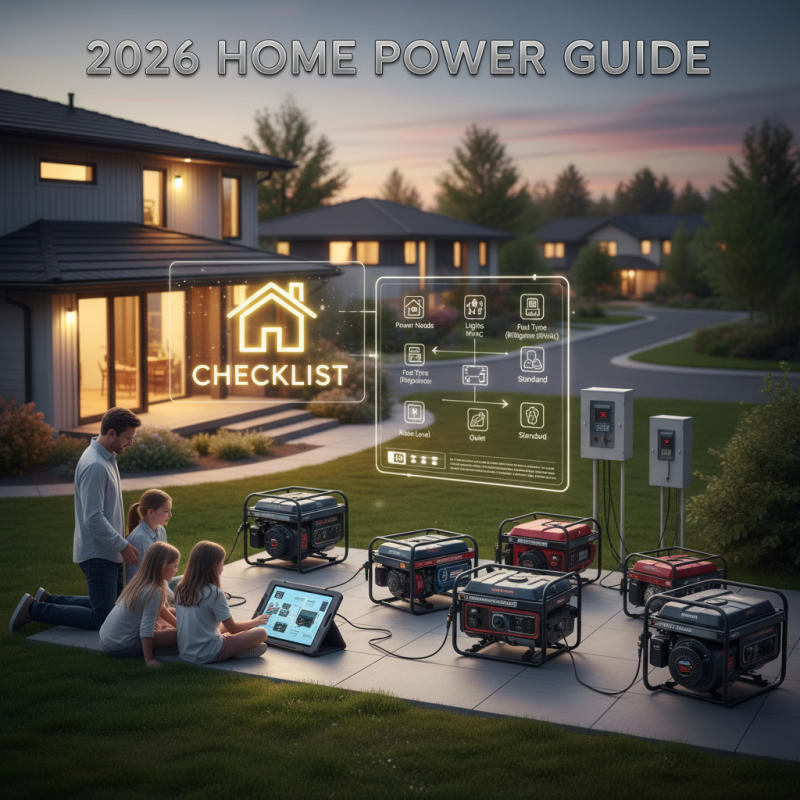
Choosing the right electric generator for home use can be challenging. With many options available, it's easy to feel overwhelmed. However, understanding your needs is crucial. What will you power? Lights, appliances, or both?
When you think of an electric generator for home, consider the size and power output. A small generator may work for basic lights. But if you want to run your refrigerator, you'll need something more robust. It's essential to assess your power requirements accurately.
Don’t overlook features like fuel type and noise level. Some generators are quieter but may require specific fuel. Make a list of priorities before diving into options. Take time to reflect and research. Ultimately, the best choice is one that fits your lifestyle and meets your needs efficiently.
Understanding Your Power Needs: Calculating Wattage Requirements
When selecting an electric generator, understanding your power needs is crucial. Start by calculating your wattage requirements. This process involves identifying the appliances and devices you want to power during an outage. Make a list of essential items like refrigerators, lights, and medical equipment. Each device has a specific wattage rating, which you can usually find on the appliance itself.
Next, sum up the wattages of all essential appliances. This total gives you a baseline of how much power you will need. You should also consider starting wattage. Appliances like refrigerators require extra wattage to start up. It's wise to add about 20% more to your total wattage to accommodate this extra demand.
Sometimes, users underestimate their needs. They may think they only need a small generator for basic lighting. Later, they find out that their refrigerator won't run. It's important to be realistic about your consumption. Check your calculations and adjust as needed. Gathering all this information may feel overwhelming, but it ensures you choose a generator that meets your home's specific requirements.
Power Needs for Home Use: Estimated Wattage Requirements
Types of Electric Generators: A Comparison of Portable vs. Standby Models
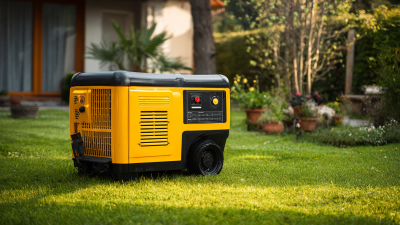
When deciding on an electric generator for home use, understanding the differences between portable and standby models is crucial. Portable generators are versatile and can be used in various outdoor settings. They typically generate between 2,000 to 7,500 watts, making them ideal for short-term power outages. According to industry reports, about 40% of homeowners prefer portable units for their affordability and flexibility.
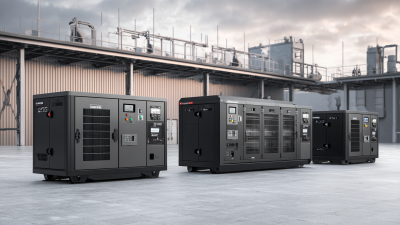
Standby generators, on the other hand, offer a more permanent solution. They automatically turn on during a power outage and can provide power for the entire home. These generators can produce between 5,000 and 20,000 watts. The National Electric Code suggests that a standby generator can keep essential circuits running, enhancing safety during emergencies. However, they require professional installation, pushing initial costs higher.
Users often overlook maintenance needs. Portable generators may need regular oil changes, while standby units require checks every few months. Neglecting maintenance can lead to performance issues. Thus, users must consider their willingness to invest time and effort into upkeep when selecting the right generator type.
2026 How to Choose the Best Electric Generator for Home Use? - Types of Electric Generators: A Comparison of Portable vs. Standby Models
| Feature |
Portable Generators |
Standby Generators |
| Power Output |
2500 - 7500 Watts |
5000 - 20000 Watts |
| Run Time |
6 - 12 hours per tank |
Continuous with automatic transfer switch |
| Starting Method |
Manual or Electric Start |
Automatic Start |
| Fuel Type |
Gasoline / Propane |
Natural Gas / Propane |
| Portability |
Highly Portable |
Stationary Installation |
| Installation Cost |
Low |
High (due to electrical work) |
| Noise Level |
Moderate to High |
Low to Moderate |
Key Features to Consider: Fuel Type, Runtime, and Portability
When selecting an electric generator for home use, fuel type is crucial. Gasoline generators are common and usually affordable. However, they require regular refueling, which can be cumbersome during extended outages. Their fuel storage needs are another consideration. Diesel generators provide efficiency but tend to be noisy and heavier. According to a recent industry report, propane generators offer a cleaner alternative. They burn more efficiently and cost less in the long run.
Runtime is a key feature to examine. The longer the runtime, the less often you'll need to refuel. Generators today offer runtimes ranging from a couple of hours to over 20 hours. It's essential to assess your power needs in relation to runtime. For example, if you need to power heavy appliances, choose a generator with a robust fuel tank.
Tips: Always consider your home’s wattage requirements. Know how much power your essential appliances consume. This will guide you in choosing the right generator size.
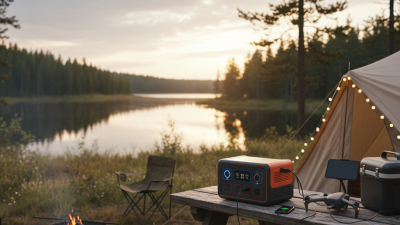
Portability is often overlooked. Having a lightweight and compact generator can make a difference during emergencies. If frequent mobility matters, explore models with wheels and handles. Remember, a generator's ease of transport may not always match its power output. Thus, weigh your options carefully.
Safety Standards and Regulations: Ensuring Compliance with Industry Guidelines
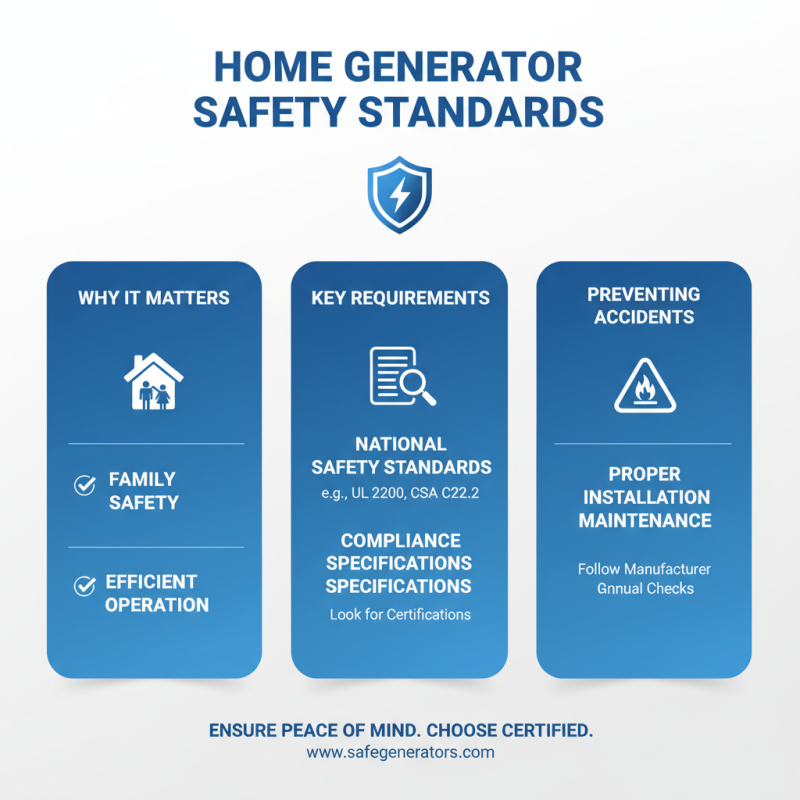
When choosing an electric generator for home use, it’s vital to consider safety standards and regulations. Compliance with these guidelines ensures not only the generator's efficiency but also your family's safety. Generators must meet specific national safety standards. Look for specifications that indicate compliance. These are crucial for preventing accidents.
Some generators possess built-in safety features, like circuit breakers and low-oil shutdowns. These features help prevent damage and reduce risks. However, not all units come equipped with these safety measures. This inconsistency can be concerning. Buyers should inquire about these features before making a decision.
Proper ventilation is another aspect often overlooked. Generators produce carbon monoxide, a dangerous gas. Install generators in well-ventilated spaces, away from windows and doors. Many people underestimate the importance of distance. A small mistake can lead to severe consequences. Always double-check the guidelines for safe distance and placement.
Budgeting for Your Generator: Cost Analysis and Maintenance Considerations
When budgeting for an electric generator, consider the initial purchase price and long-term maintenance costs. An average home generator costs between $500 to $3,000. However, ongoing expenses can be significant. Maintenance typically involves oil changes, filter replacements, and periodic inspections. These costs can add up to an additional $100 to $500 per year, depending on usage.
Consumers often overlook hidden expenses. For instance, fuel costs for gas or propane can escalate during power outages. A 5,000-watt generator may consume approximately 0.5 gallons of fuel per hour. Over a week of continuous use, that’s a staggering $100 or more. Ensure you factor in these potential fluctuations in fuel prices when calculating your budget.
Emergency preparedness also impacts your finances. Installing a transfer switch or hiring an electrician can incur costs ranging from $300 to $1,500. If you’re not prepared to invest in these setups, the generator’s efficiency might be compromised. It's essential to balance your generator's capacity with your power needs. Choosing a model that’s too small may lead to strain and early failure, while an oversized unit can waste fuel and increase emissions. Always reevaluate your choices, ensuring it suits your home and budget effectively.