How to Choose Home Generators for Power Outages Effectively?
Choosing the right home generators for power outages is crucial for any household. According to energy expert Mark Thompson, “Failing to prepare is preparing to fail.” His words highlight the importance of selecting a reliable generator. With frequent storms and unexpected outages, families need peace of mind.
When evaluating home generators for power outages, several factors come into play. The generator's wattage capacity must match your energy needs. Consider your essential appliances. How will you manage without your refrigerator or heating system? Noise levels and fuel types also matter. Think about the generator's placement; will it disturb your neighbors?
It's easy to get overwhelmed. Many people make quick decisions without thorough research. This can lead to inadequate power supply or unnecessary expenses. Spend time understanding the specifications and features. Assess your unique needs carefully. The right generator can be a game-changer during an outage. It empowers families and keeps homes safe and comfortable.
Understanding the Importance of Home Generators for Power Outages
In today's world, power outages can happen unexpectedly. They may be caused by severe weather, equipment failures, or accidents. Understanding the importance of home generators can help families cope with these situations effectively. A reliable generator provides electricity for essential appliances during outages. This ensures food preservation, medical equipment functions, and maintains comfort.
Choosing the right generator is not always straightforward. Many people overlook the size and power needs of their home. It's crucial to determine how much wattage you require. This analysis can help avoid overloading the generator. Additionally, consider the fuel type. Some generators run on gasoline, while others use propane or natural gas. Each has its own pros and cons, which can impact your long-term planning.
Even with careful consideration, mistakes can occur. Some may select a unit that's too small, leading to frustration. It's essential to reflect on your priorities. Perhaps you don’t prioritize heating, which could be critical in winter. Misjudging your usage can lead to inconvenience when you need it most. Taking time to plan, research, and understand your family's needs can make a significant difference.
How to Choose Home Generators for Power Outages Effectively?
| Generator Type |
Power Output (Watts) |
Fuel Type |
Runtime (Hours) |
Noise Level (dB) |
| Portable Gas Generator |
3000 - 7500 |
Gasoline |
8 - 12 |
60 - 70 |
| Standby Generator |
7500 - 20000 |
Natural Gas / Propane |
Continuous |
50 - 65 |
| Inverter Generator |
1000 - 3000 |
Gasoline |
6 - 10 |
50 - 60 |
| Solar Generator |
300 - 2000 |
Solar |
Variable |
Silent |
Types of Home Generators: Portable vs. Standby
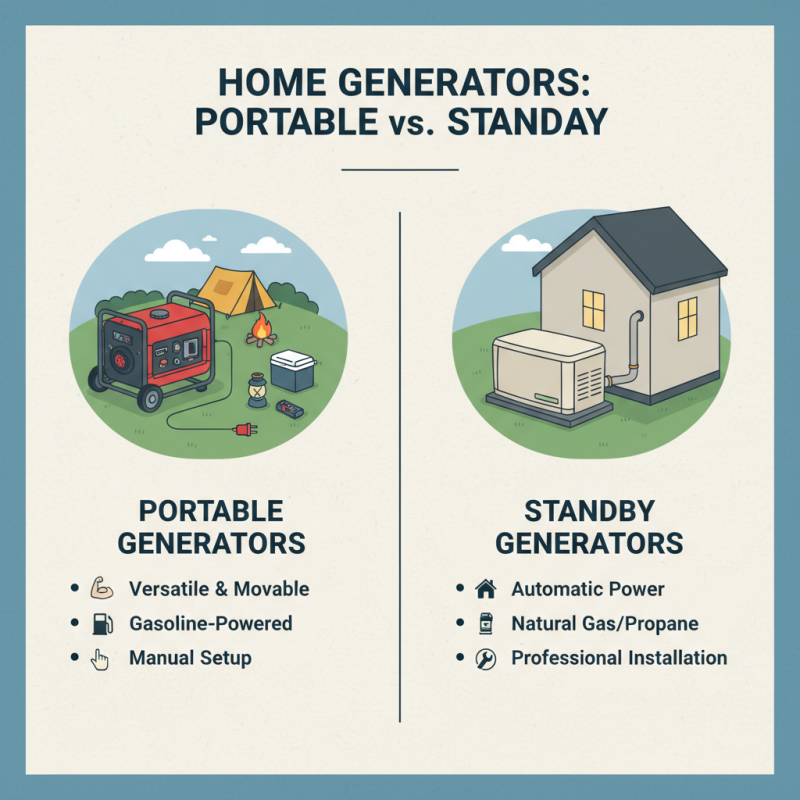
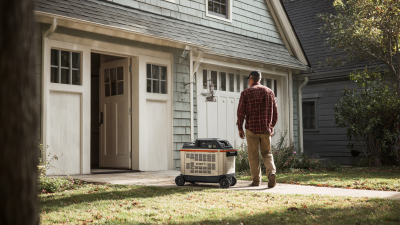
When choosing home generators, understanding the types is crucial. There are two main categories: portable and standby generators. Portable generators are versatile. They can be moved easily. You can use them for camping or outdoor events. They typically run on gasoline. However, they require manual setup. You need to plug in your devices. This could be inconvenient during a power outage.
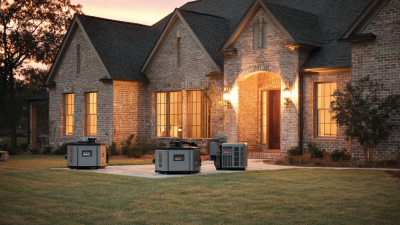
Standby generators offer automatic convenience. They are fixed installations. These systems turn on automatically when the power goes out. This can save you from fumbling in the dark. However, installation costs can be high. You may need a professional for proper setup. Moreover, they usually run on natural gas or propane. Fuel supply during emergencies can be unpredictable.
Both options have their pros and cons. Portable units might not power everything at once. Standby models can be overkill for small homes. Reflect on your needs carefully. Consider your available space, budget, and the power you require. Each choice requires thought to avoid potential dissatisfaction later.
Key Features to Consider When Selecting a Home Generator
Choosing the right home generator is crucial during power outages. There are several key features to consider. Start with the generator's wattage. Determine your critical appliances and their power needs. This helps ensure you select a unit that can handle these demands. Count the total watts required to keep everything running smoothly.
Portability is another important factor. Some generators are easy to move, while others are meant for stationary use. If you want flexibility, look for a lightweight model with wheels. Noise levels also matter. Many generators can be quite loud. If noise is a concern, opt for a quieter design.
Fuel type is worth pondering. Gasoline, propane, and diesel are common choices, each with pros and cons. Consider storage space and the availability of fuel in your area. Finally, pay attention to safety features. Look for automatic shut-off mechanisms and circuit breakers. These can prevent damage during operation and ensure safety. A little research into these features can save hassle later.
Power Output Comparison of Home Generators
Calculating Power Needs: Determining the Appropriate Generator Size
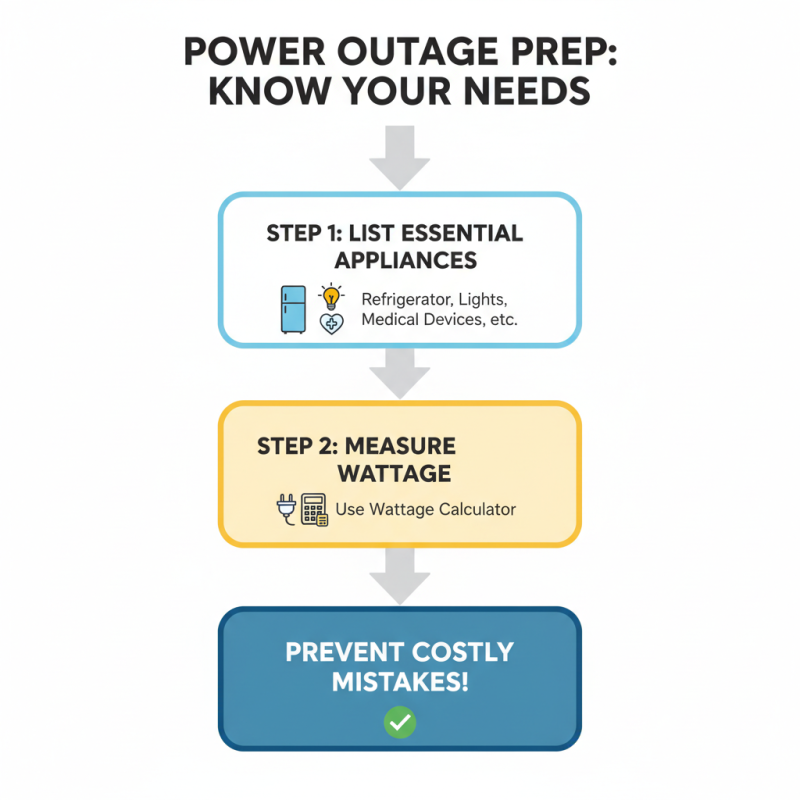
When preparing for power outages, understanding your power needs is vital. Start by listing all essential appliances. Include refrigerators, lights, and medical devices. This step can become overwhelming. You might miss some devices or underestimate their usage. Measure their wattage. Use a wattage calculator if necessary. This method prevents costly mistakes.
Next, consider starting and running wattages. Some appliances need more power at startup. Identifying these requirements is crucial. For example, a refrigerator may require double the wattage to start than to run. It’s a common oversight. Add up all wattages. This total helps choose a generator size. Don’t forget about future needs. You may expand your power requirements later on.
Be aware that electrical inefficiencies exist. Generators may not deliver their maximum output continuously. This variability demands caution. Always round up when selecting a generator size. A bit of extra power is often necessary. If in doubt, consult a professional. It’s better to be safe than sorry. Generators are significant investments, and you don’t want to make errors that could cost you later.
Safety Considerations and Maintenance Tips for Home Generators
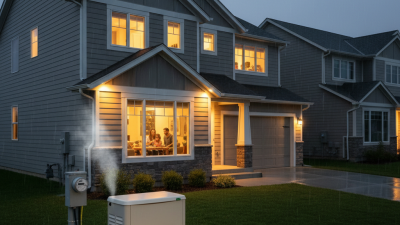
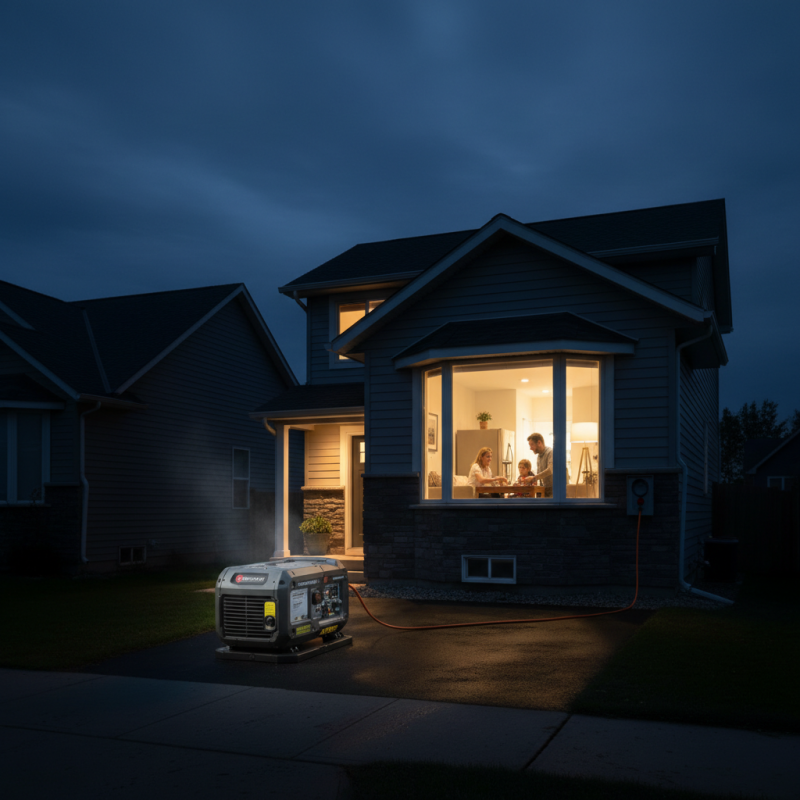
When it comes to home generators, safety is paramount. Always place your generator outdoors. Exhaust fumes can be deadly. Keep it at least 20 feet away from windows and doors. Use a carbon monoxide detector inside your home. This small device can save lives.
Regular maintenance is crucial for generator longevity. Check the oil level before each use. Replace the oil as needed. Inspect the air filter. A clogged filter reduces efficiency. Test the generator monthly by running it for a short period.
In addition to the above, remember to keep fuel stored safely. Use containers approved for fuel storage. Fuel can go bad if stored too long. Rotate your fuel supply to prevent issues. Always ensure the generator is off when refueling; hot parts can ignite fuel vapors. By adhering to these practices, you can ensure a safer and more effective generator experience.