How to Choose the Best Generators for Your Needs?
Choosing the right generator is essential for your needs. Our generators come in various types and sizes. Each model serves different purposes. Consider your requirements carefully. Do you need a generator for camping or emergency backup?
Some might struggle with noise levels or fuel efficiency. It’s crucial to evaluate how much power you actually need. Oversizing can lead to inefficient use, while undersizing might leave you in the dark. Reflect on your energy requirements to make an informed choice.
Our generators are designed for durability and performance. However, it's important to think about maintenance and portability. Decide where and how often you'll use it. Balancing these factors can be challenging, but taking the time to assess your options will pay off in the end.
Understanding Your Power Requirements for Generators
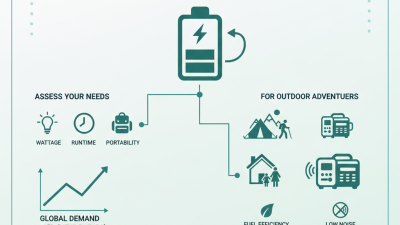
Choosing the right generator depends heavily on understanding your power needs. Consider what you'll run. Appliances like refrigerators, heaters, or power tools require different wattages. List your essential devices. Calculate the total wattage needed. This helps you avoid overloading the generator.
Tips: Always add 20% more wattage to your calculation. This cushion allows for unexpected surges. Often, people underestimate their needs. The consequences can be frustrating or even dangerous.
Evaluate fuel types too. Gasoline, propane, or diesel generators each have pros and cons. Gasoline is common but can be unstable. Propane is cleaner and can be stored longer. Diesel engines provide more power but might be heavier. Reflect on what fits best with your lifestyle.
Lastly, think about the noise level. Some generators are loud and disruptive. Your neighbors may not appreciate the sound. A quieter model might cost more but is worth it for peace. Consider what you can sacrifice for comfort and efficiency.
Types of Generators: Portable, Standby, and Inverter Options
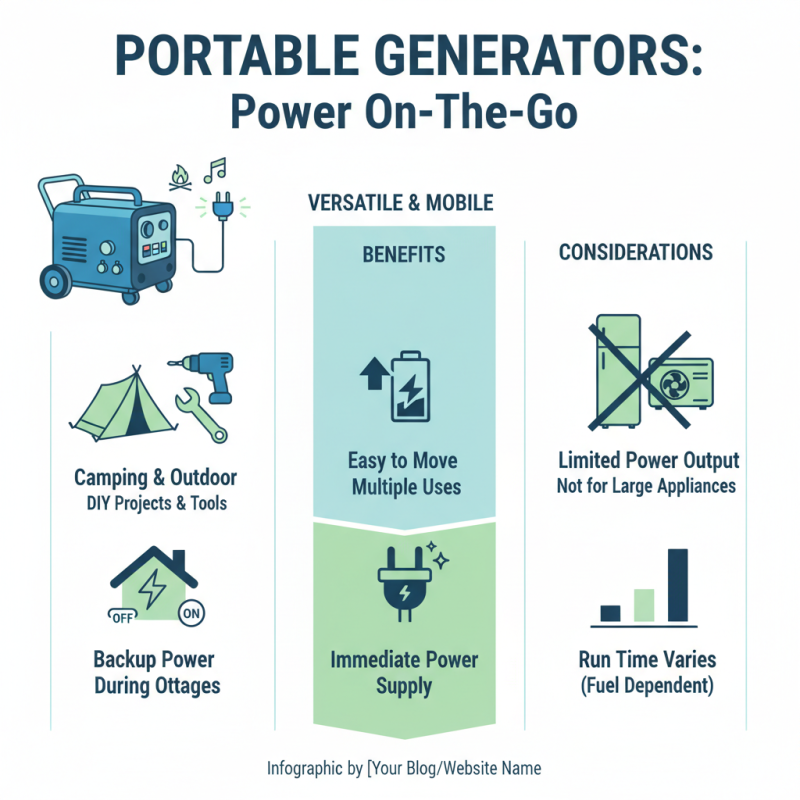
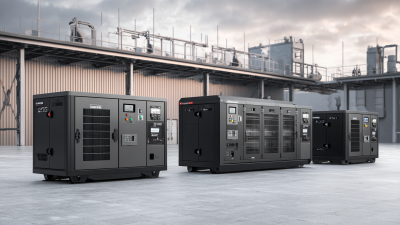
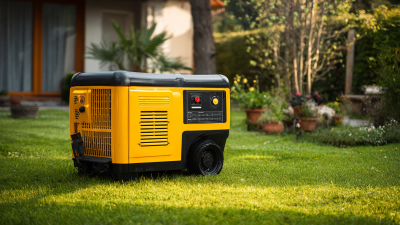
When selecting a generator, understanding the different types is crucial. Portable generators are versatile and easy to move. They are ideal for camping trips or outdoor events. You can power tools for DIY projects or provide electricity during outages. However, portability comes with limits. They may not supply enough power for big appliances.
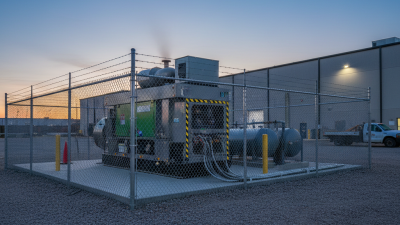
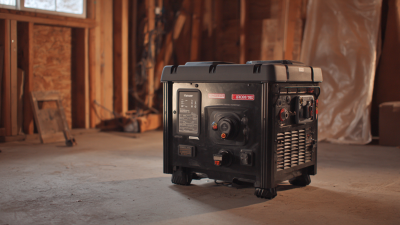
Standby generators are a reliable choice for home use. They automatically kick in during power outages. This constant readiness provides peace of mind. They connect directly to your home’s electrical system. However, they require professional installation, which can be costly. Maintenance is also necessary to keep them functional.
Inverter generators offer a unique solution. They are quieter and more fuel-efficient than traditional models. This makes them perfect for sensitive electronics, like computers. You can use them at outdoor events without disturbing others. Yet, they generally have lower power output. This can be limiting for larger needs. Choosing the right generator depends on assessing your needs and power requirements.
Key Features to Consider When Selecting a Generator
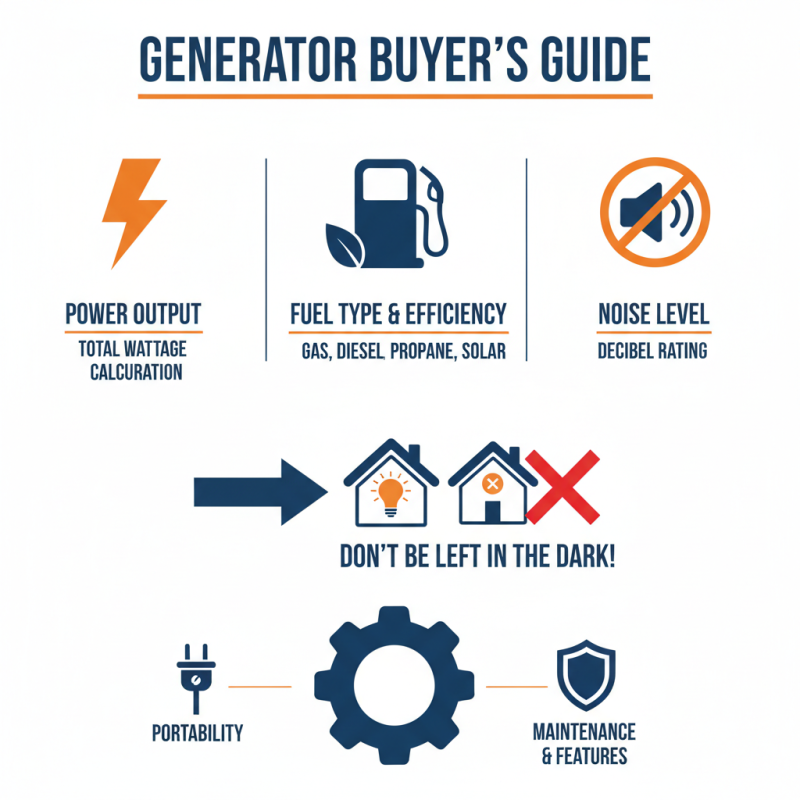
Choosing the right generator is crucial. It’s important to consider several key features before making a decision. The power output is one critical aspect. You need to determine how much power you require. Calculate the total wattage of the devices you intend to use. A generator with lower output may leave you in the dark.
Fuel type is another significant consideration. Generators can use gasoline, propane, or diesel. Each type has advantages and disadvantages. Gasoline is widely available, but it may not last long in storage. Propane is cleaner but can be harder to find in some areas. Think about your local resources.
Portability should not be overlooked. If you need to move your generator frequently, a lightweight and compact model is ideal. However, smaller units may produce less power. Achieving a balance can be challenging. Reflect on where you will use it most. Will it be at home, during travels, or for emergencies? Lastly, consider noise levels. A loud generator can disrupt your peace. Finding a quiet model might take extra research, but it can be worth it.
Evaluating Fuel Sources: Gasoline, Propane, Diesel, and More
Choosing the right generator often begins with the fuel source. The most common options are gasoline, propane, and diesel. Each fuel type has its perks and drawbacks. Gasoline generators are usually cheaper and more widely available. However, they can be less efficient and may not last as long under heavy use.
Propane is cleaner, burns more efficiently, and has a longer shelf life. It is easier to store, but the tanks can be cumbersome. Diesel generators tend to be more durable and run for longer hours, but they can be louder and more expensive. Fuel choice might depend on your specific needs, like mobility or power demand.
Thinking ahead is essential. Do you have reliable access to your chosen fuel? What maintenance will you need? Some fuels require more upkeep. In areas prone to hurricanes or long outages, propane may offer peace of mind. Reflect on your priorities and lifestyle. Make a decision that fits your specific situation, not just a trend or convenience.
Budgeting: How Much Should You Spend on a Generator?
When considering a generator, budgeting is crucial. Prices can vary widely. Entry-level models may cost a few hundred dollars. At the same time, higher-end generators can run into thousands. Always align your choice with your needs and budget.
Tips: Think about your primary power requirements. List the appliances you need to run. Calculate their total wattage. This helps in choosing a generator that can meet your demands without overspending.
Remember, cheaper options may lack features. They might not last as long. Investing in quality could save you money in the long run. Don't forget to factor in maintenance costs. Regular upkeep can avoid unexpected expenses.
Tips: Consider the fuel efficiency. Models that use less fuel can save a lot over time. Check the warranty. A good warranty can protect your investment and provide peace of mind. Think about portability as well. If you need to transport the generator, size and weight matter.
How to Choose the Best Generators for Your Needs? - Budgeting: How Much Should You Spend on a Generator?
| Generator Type |
Output Power (Watts) |
Runtime (Hours) |
Fuel Type |
Estimated Price ($) |
Best Use Case |
| Portable Generator |
2000 - 5000 |
8 - 12 |
Gasoline |
300 - 800 |
Camping, Tailgating |
| Inverter Generator |
1000 - 3000 |
6 - 10 |
Gasoline |
500 - 1200 |
Sensitive Electronics, RVs |
| Standby Generator |
5000 - 20000 |
Continuous |
Natural Gas, Propane |
2000 - 10000 |
Home Backup Power |
| Solar Generator |
300 - 2000 |
Variable |
Solar |
700 - 2000 |
Off-grid Applications |