How to Choose the Right Backup Power Generator for Your Needs?
Choosing the right backup power generator is crucial for ensuring your safety and comfort during outages. With various options available, it can feel overwhelming. What do you need? Power needs, budget, and fuel type are key factors. Understanding these can help narrow your choices.
Many people underestimate their power requirements. Some might buy a generator only to find it’s inadequate. Calculating wattage is a first step. Consider essential appliances like refrigerators and heaters. It’s easy to overlook smaller devices, but they add up quickly.
Noise level is another aspect to think about. Some generators can be quite loud. No one wants a noisy machine disrupting their peace. A quieter model may cost more, but it provides a better experience. Always consider the total impact of your choice. Making an informed decision leads to less frustration later.
Understanding Your Power Needs: Calculating Wattage Requirements
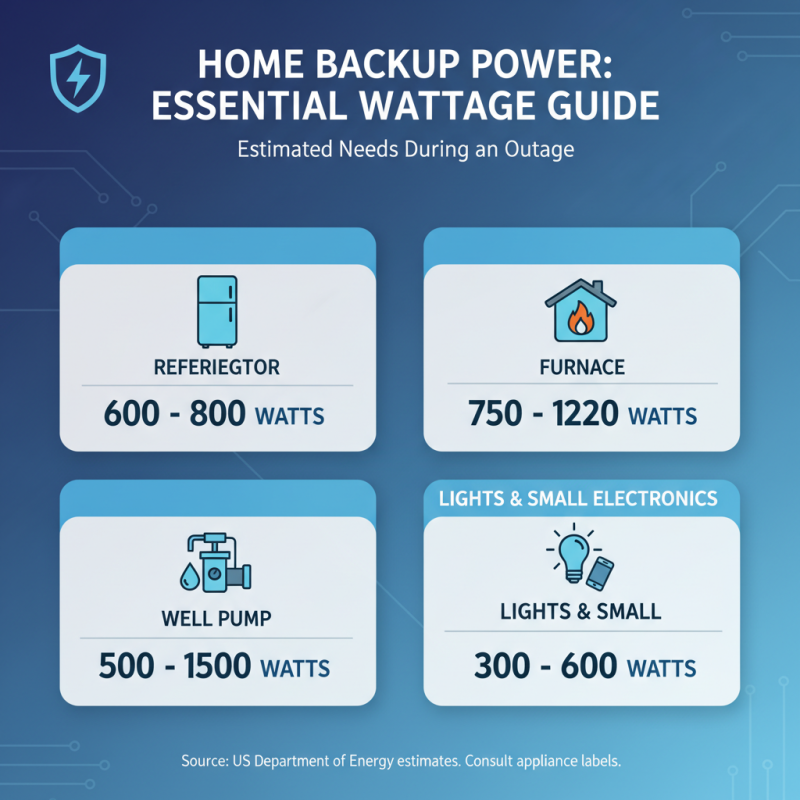
When selecting a backup power generator, understanding your power needs is vital. The first step is calculating wattage requirements. Consider the essential appliances to keep running during an outage. According to the U.S. Department of Energy, a refrigerator typically requires about 600 to 800 watts. In contrast, a basic furnace can demand between 750 to 1,200 watts. Make a list of these devices.
Tip: Start with essential items. List down appliances that are critical during blackouts. Don't forget to include their starting and running watts. Starting watts can be significantly higher, often 2-3 times more than running watts.
Consider your total wattage. If your essentials add up to 3,000 watts, select a generator that can handle at least this load. The NRC (National Research Council) suggests factoring in a buffer, aiming for 20% extra capacity. This ensures reliability and longevity of your generator.
Tip: Reassess your needs regularly. Changes in household appliances can affect wattage. Awareness of this ensures optimal backup power solutions. It’s crucial to reflect on your lifestyle and adjust wattage requirements accordingly, especially as you add or replace appliances.
Types of Backup Generators: Portable vs. Standby Options Explained
When considering backup generators, the choice often comes down to
portable versus standby options.
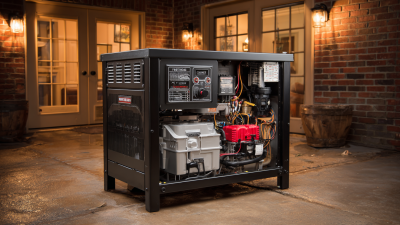
Portable generators are versatile and can be used for various needs.
They’re ideal for camping, outdoor events, and emergency power. These machines can power essential appliances
like refrigerators or lights. However, they require manual setup and filling with fuel.
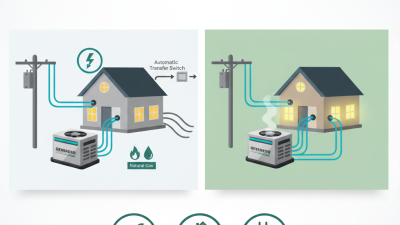
Standby generators, on the other hand, offer a
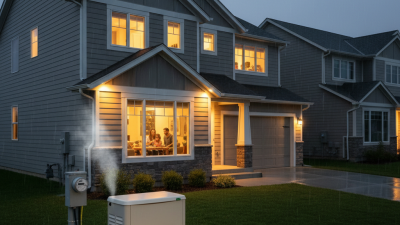
permanent solution. They connect directly to your home's electrical system. These units automatically turn on
during an outage, providing seamless power. They are usually more expensive and may need professional installation.
Think about your energy requirements.
Choosing between the two can be tricky. Portable generators may seem easier, but they can be
labor-intensive. Standby generators bring peace of mind
but require a significant investment. Consider your lifestyle and power needs carefully before deciding.
It's essential to weigh the pros and cons of each type.
Fuel Types for Generators: Comparing Gasoline, Diesel, and Propane
Choosing a fuel type for your generator can be challenging. Gasoline, diesel, and propane each have distinct advantages and drawbacks. According to the U.S. Energy Information Administration, gasoline is the most popular fuel, primarily due to its availability. However, it has a shorter shelf life and can cause engine problems if stored too long.
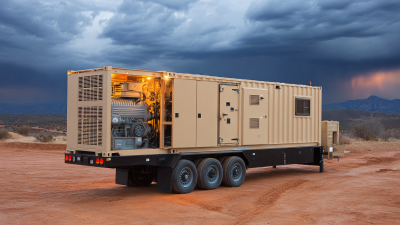
Diesel, on the other hand, has a longer shelf life. It provides better fuel efficiency and is often favored for larger, more industrial generators.
Propane is considered a clean-burning alternative. It produces fewer emissions and is easier to store. However, its availability can be an issue, especially in rural areas. A study from the Alternative Fuels Data Center indicates that propane engines have lower maintenance costs over time. Yet, the initial investment in propane equipment can be high, leading to hesitation from some buyers.
Consider your specific needs and environment when choosing a generator. Understand your power requirements. Analyze how often you may need it and what fuel sources are available. Reflect on the trade-offs of each fuel type. Your choice will impact performance and reliability. Remember, no option is perfect. Each has weaknesses that need consideration.
Evaluating Generator Features: What You Need for Safety and Efficiency
Choosing the right backup power generator requires careful evaluation of key features. Start with power output. Determine how much wattage you need to run essential appliances. Most homes require at least a few thousand watts during an outage. Consider your specific needs. Do you want to power just the fridge, or do you need to run heaters too?
Another important feature is fuel type. Generators can run on gasoline, propane, or diesel. Each type has pros and cons. Gasoline is readily available, but it has a short shelf life. Propane can be stored longer but may be harder to find during emergencies.
Besides fuel, the noise level matters. Some generators are quieter than others, which can be a crucial aspect for residential areas.
Don’t overlook safety features. Look for low-oil shutoff, circuit breakers, and carbon monoxide detectors. These features prevent accidents and ensure durability. An inverter generator, while pricier, offers clean energy for sensitive electronics.
Reflect on your choices and future needs. Are you considering a generator for short outages or extended use? Making the right decision today can save you headaches tomorrow.
Cost Analysis: Budgeting for Purchase, Installation, and Maintenance
When budgeting for a backup power generator, consider all costs. Installation and maintenance fees can add up quickly. Look beyond just the purchase price. Don’t forget about fuel costs, too. This can impact your overall budget significantly.
**Tip:** Assess your energy needs accurately. This will help you choose the right generator size, affecting the purchase price. A larger generator often costs more upfront but may save money in the long run by efficient energy use.
Maintenance is another crucial factor to consider. Regular upkeep is vital for performance and longevity. Neglecting maintenance can lead to higher repair costs.
**Tip:** Factor in annual maintenance costs when budgeting. This often includes oil changes and filter replacements. It is easy to overlook these, but they can prevent costly repairs later on.