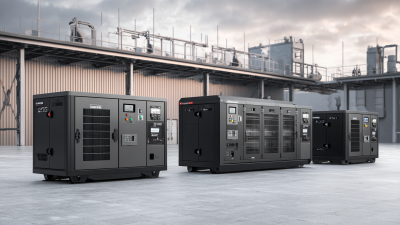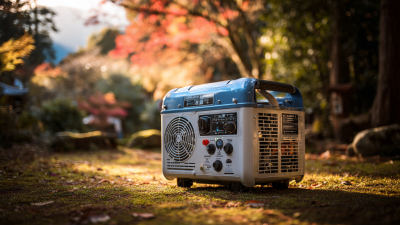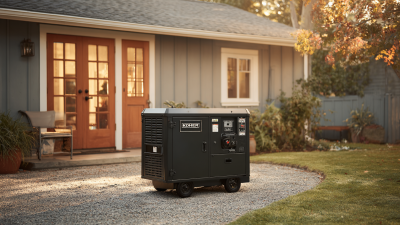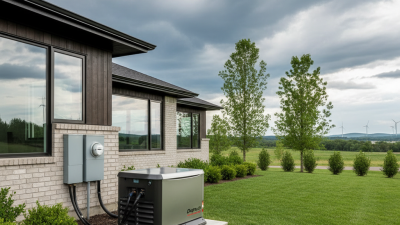
Commercial generators are essential tools for various industries. They provide a reliable source of power during outages or in remote locations. These generators come in many sizes and capacities. They can support everything from small businesses to large construction sites.
Understanding how commercial generators work is crucial. They convert fuel—like diesel, natural gas, or propane—into electrical energy. The process involves an engine, a fuel system, and an electrical generator. Each part plays a vital role. A failure in one can lead to power loss. The effectiveness of these machines often depends on proper maintenance.
Commercial generators are not just machines. They represent security and continuity for businesses. The thought of power failure can be daunting. There are many options available, which can make the choice overwhelming. Not every business needs the same type of generator. It’s important to reflect on specific needs before making a decision.
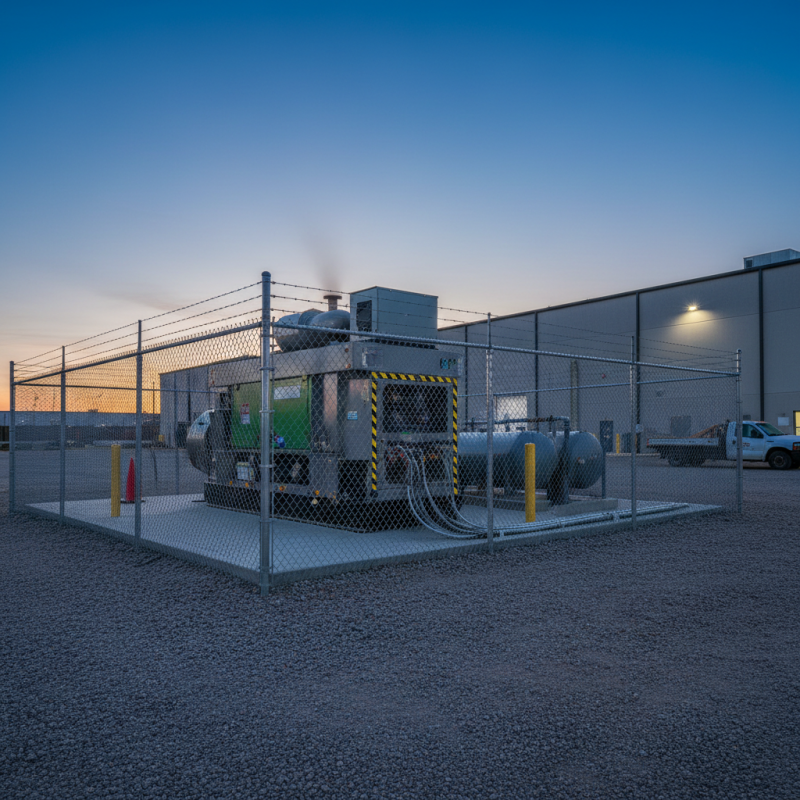
A commercial generator is a powerful machine designed to supply electricity when the main power source fails. It is essential for businesses that require uninterrupted energy. These generators can run on diesel, natural gas, or propane. They come in various sizes, tailored to meet the needs of different industries.
When the power goes out, a commercial generator kicks in automatically. This process is seamless and usually takes just a few seconds. However, proper maintenance is crucial for optimal operation. Regular checks can prevent unexpected breakdowns during critical moments. Owners should create a maintenance schedule. Nothing is worse than relying on outdated equipment in emergencies.
**Tips:** Always keep fuel levels sufficient. It’s essential to use fresh fuel. Stale fuel can lead to engine troubles. Make it a habit to test the generator monthly. This practice helps identify potential issues early. Share responsibilities within your team. Ensure someone is trained to manage the generator efficiently.
In uncertain situations, overconfidence can be hazardous. A generator needs proper ventilation to run effectively. Blocked air intakes can cause overheating. Monitoring the environment is just as important as checking the machine itself. Take time to reflect on these aspects; neglect can lead to costly errors.
| Dimension | Details |
|---|---|
| Definition | A commercial generator is a device that converts mechanical energy into electrical energy, used primarily for commercial applications. |
| Types | Diesel, Natural Gas, Biogas, and Portable Generators. |
| Power Output Range | Typically from 5 kW to over 2000 kW. |
| Key Components | Engine, Alternator, Fuel System, Control Panel, and Cooling System. |
| Applications | Construction, Events, Data Centers, Commercial Buildings, and Emergency Backup. |
| Fuel Efficiency | Modern engines are designed to maximize fuel efficiency, leading to reduced operational costs. |
| Maintenance Requirements | Regular checks on oil, fuel, air filters, and battery maintenance are essential for optimal performance. |
| Safety Features | Automatic shutoff, circuit breakers, and emergency stop switches are standard safety features. |
| Noise Level | Commercial generators can vary in noise levels; sound-attenuated models are available for quieter operation. |
Commercial generators are essential for various industries requiring reliable power sources. They come in different types, tailored for specific applications. Understanding these types helps in selecting the right generator for your needs.
Diesel generators are popular for their fuel efficiency and durability. They can provide substantial power for construction sites or large events. On the other hand, natural gas generators are becoming more common due to lower emissions. They are ideal for commercial buildings needing consistent energy for HVAC systems.
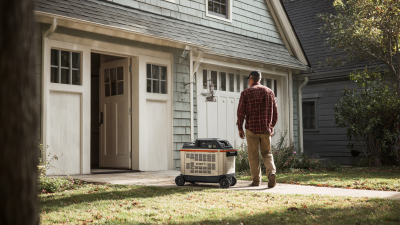
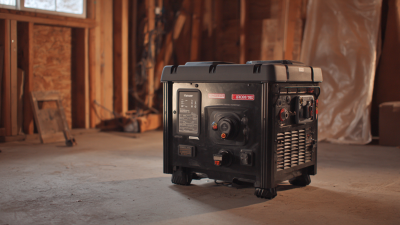
Portable generators offer flexibility for short-term use. They are lighter and easier to transport, making them perfect for outdoor events and emergency situations. There are also solar generators, which harness renewable energy. However, they may not provide enough power for heavy machinery. Each type of generator has its strengths and weaknesses, making it crucial to evaluate your specific requirements before making a choice.
This chart illustrates the number of commercial generator units sold by type, indicating the popularity and market demand for each generator type. Diesel generators lead the market, followed by natural gas and portable generators.
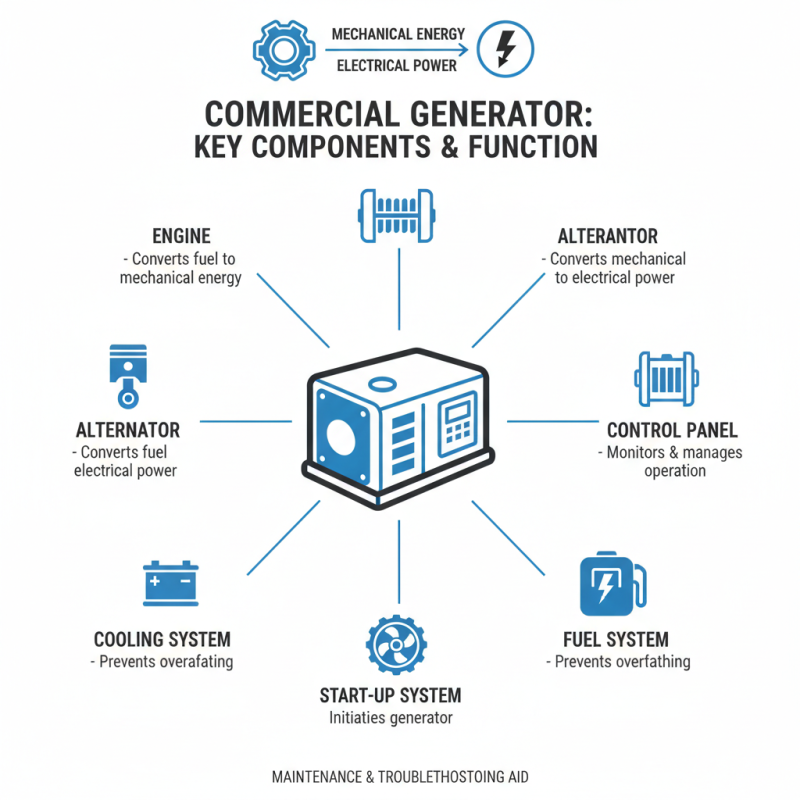
A commercial generator is a vital piece of equipment. It converts mechanical energy into electrical power. Understanding its key components can help in maintenance and troubleshooting.
The engine is the heart of the generator. It uses fuel to create power. A reliable fuel supply is crucial. Without it, the generator cannot function. The alternator is another essential part. It transforms the mechanical energy into electrical energy. This conversion powers your business operations.
Fuel systems store and supply fuel efficiently. Regular checks are important here. Poor fuel quality can lead to problems. The control panel monitors the generator’s performance. It provides essential readings, like voltage and frequency. Users should familiarize themselves with these metrics.
**Tip:** Regular maintenance is key. Schedule inspections to catch issues early. Clean filters can improve efficiency.
**Tip:** Keep an eye on the battery. A dead battery can stop your generator. Ensure it is charged regularly.
The exhaust system directs harmful gases outside. Blockages here can reduce efficiency. Clear the exhaust system to ensure optimal performance.
A commercial generator is an essential device for producing electricity. It converts mechanical energy into electrical energy, powering businesses and large facilities. These generators often rely on various fuel sources, such as diesel, natural gas, or propane. When these fuels burn, they create energy that drives an engine. This engine turns a rotor within a generator, creating an electromagnetic field that produces electricity.
The process begins with fuel delivery to the engine. Combustion occurs, releasing energy to move the pistons. The mechanical motion goes to the alternator, where it generates electricity through magnetic induction. This electricity is then transferred to the power distribution system. The efficiency of this conversion varies based on the generator's design and load conditions.
Tips: Regular maintenance is vital for optimal performance. Check oil levels frequently, and replace filters as needed. Listen for unusual noises that might indicate problems. Be cautious with fuel storage; it must be securely managed to prevent spills.
Understanding the generator's working mechanics can help in managing power outages. During long outages, ensure your generator is capable of handling the load needed. Oversizing or undersizing can lead to inefficiencies. Reflections on energy use can lead to better operational practices, ensuring both productivity and sustainability.
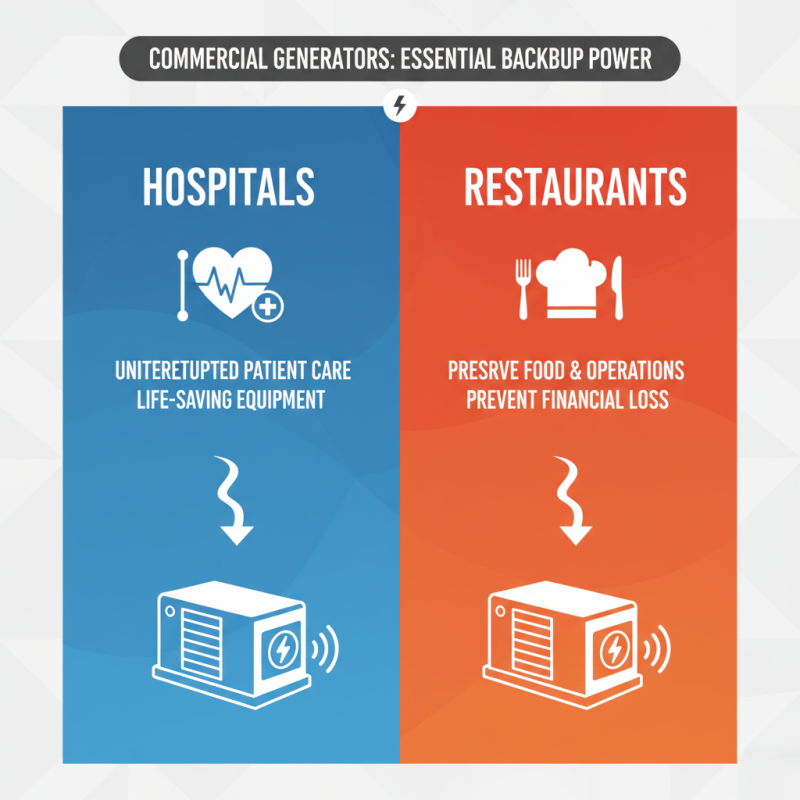
Commercial generators play a vital role in various industries. They provide essential backup power during outages. In hospitals, uninterrupted power is crucial for patient care. Here, a generator ensures life-saving equipment operates smoothly. Restaurants also rely on generators. They need to keep food fresh and operations running. A power failure could lead to significant losses.
Construction sites often use commercial generators. They supply energy for tools and lighting. Workers can continue their tasks without delays. However, not every generator is suitable for all applications. Choosing the right size and type can be a challenge. Some projects may require more power than initially planned.
Additionally, regular maintenance is essential. A well-maintained generator can operate efficiently and reduce downtimes. Neglecting maintenance can lead to unexpected failures. Users must also be aware of noise levels. Some generators can be loud, causing disturbances in quiet areas. Making informed choices is essential for successful implementations.