10 Essential Tips for Choosing the Right Motorhome Generator
Choosing the right motorhome generator can significantly impact your travel experience. A reliable generator provides essential power for appliances, lighting, and comfort during trips. According to industry reports, nearly 70% of RV owners rely on generators for off-grid camping. Thus, selecting the right option is vital.
The market offers various motorhome generators with diverse features and specifications. Many buyers find themselves overwhelmed. A generator's power output, fuel efficiency, and noise level can vary widely. Reports indicate that about 30% of users regret their choice after a few months. This highlights the importance of informed decision-making.
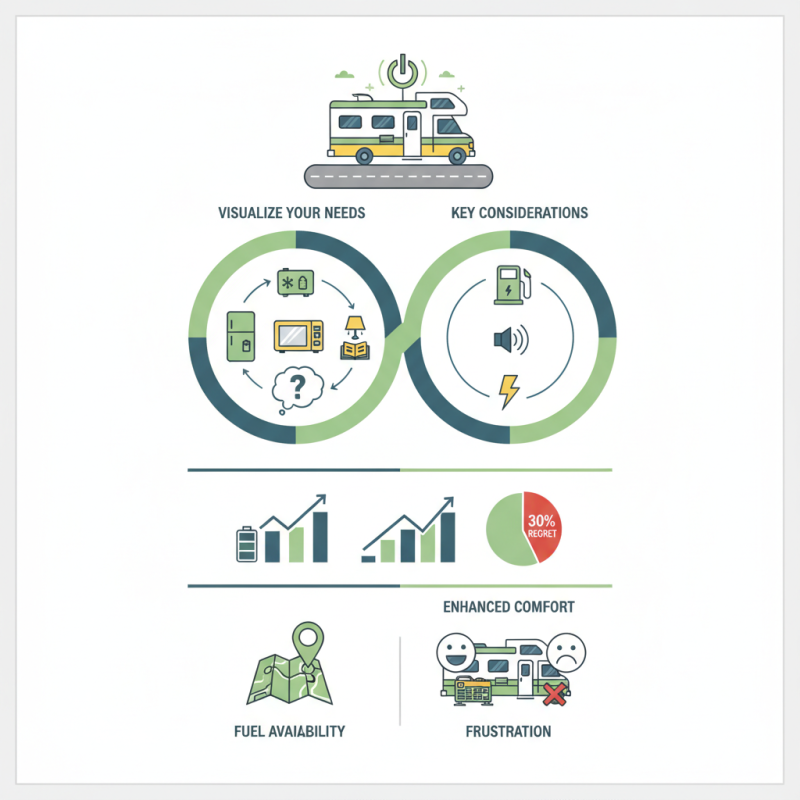
Visualizing your needs is crucial. Imagine cozy nights with power for your fridge or using your microwave without worry. Reflect on how often you'll use your generator. Think about whether fuel availability is a concern in your travel plans. The right motorhome generator enhances comfort, but the wrong one can lead to frustration on the road.
Understanding Your Power Needs for Motorhome Adventure
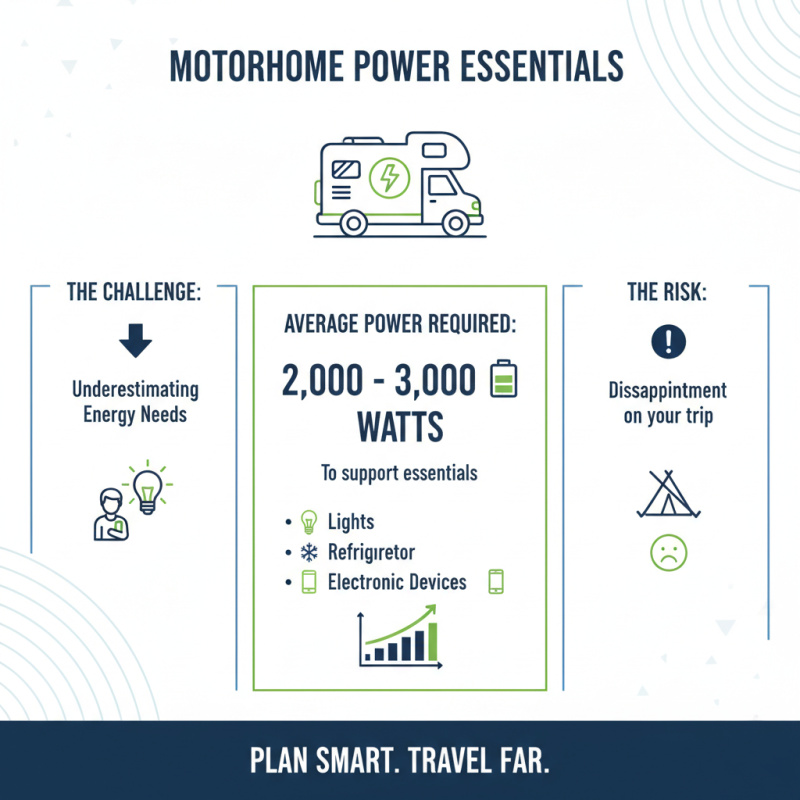
Understanding your power needs is crucial for a motorhome adventure. Many travelers underestimate their energy requirements. According to industry reports, the average motorhome requires about 2,000 to 3,000 watts of power. This can support essentials like lights, refrigerators, and electronic devices. Underestimating your needs may lead to disappointment on your trip.
Calculating your power needs can be daunting. Start by listing all appliances you plan to use. Add up their wattages. For instance, a typical RV refrigerator consumes around 800 watts, while air conditioning can use up to 2,500 watts. If your total exceeds your generator's capacity, you risk overloading it. Oversizing is also problematic; it can waste fuel and lead to more frequent maintenance.
Many experts suggest considering a reserve power capacity of at least 20%. This ensures your generator runs efficiently. Maintaining a balance is key. You might still want to power additional devices later. Take some time to refine your power demands before hitting the road. Reflecting on your needs now can save you from frustration later. Don't assume you have it all covered. Double-check your calculations to ensure a smooth trip.
Types of Generators: Gas, Diesel, and Inverter Explained
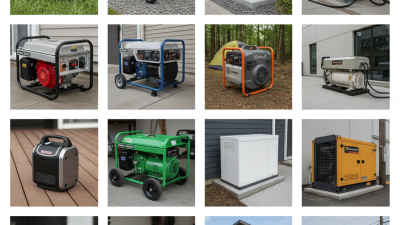
When choosing the right motorhome generator, understanding the types available is crucial. There are three primary types: gas, diesel, and inverter generators. Each comes with its own advantages and drawbacks.
Gas generators are popular for their availability and lower initial costs. They often weigh less compared to diesel models, making them easier to install. However, gas fuel efficiency can be lower, which might lead to higher long-term costs. Reports indicate that gas generators typically provide around 7-12 hours of operation on a full tank, depending on load.
Diesel generators, while generally more expensive, offer higher efficiency and durability. They tend to perform better under heavy loads and have longer lifespans. According to industry data, a well-maintained diesel generator can last over 10,000 hours of use, significantly outlasting gas counterparts. However, diesel fuel can be harder to find in some areas, leading to logistical issues.
Inverter generators are known for their quiet operation and clean power output. These are ideal for sensitive electronics. They are lightweight and often portable, but they tend to be less powerful than gas or diesel options. Many users find that an inverter generator can handle smaller loads efficiently, yet it may struggle when powering multiple high-demand devices. Overall, weighing the merits of each type is essential when making a choice.
10 Essential Tips for Choosing the Right Motorhome Generator
| Generator Type |
Power Output (Watts) |
Fuel Type |
Run Time (hours) |
Noise Level (dB) |
| Gasoline Generator |
3000 - 7500 |
Gasoline |
6 - 12 |
58 - 70 |
| Diesel Generator |
4000 - 12000 |
Diesel |
8 - 15 |
60 - 75 |
| Inverter Generator |
2000 - 5000 |
Gasoline |
4 - 10 |
52 - 60 |
| Portable Generator |
2000 - 7000 |
Gasoline |
5 - 10 |
65 - 80 |
Important Features to Look for in a Motorhome Generator
When choosing a motorhome generator, important features come into play. Start by assessing the power output. You want a generator that can easily handle your appliances. Look for starting watts versus running watts. Make sure it accommodates all your equipment without struggle.
Next, think about fuel efficiency. A generator that consumes less fuel can save you money on long trips. Consider the noise level too. A quieter generator will enhance your camping experience. Check the decibel rating. High decibels can be a nuisance to you and your neighbors.
Portability is another crucial factor. A lighter generator is easier to move. If it comes with wheels, that's a bonus. Lastly, ensure it has safety features like overload protection. Safety should never be an afterthought. Reflect on these elements seriously. Your choice could impact your entire trip.
Motorhome Generator Features Comparison
Assessing Noise Levels for Comfort During Travels
Choosing the right motorhome generator is crucial for a comfortable travel experience. One of the most important factors to consider is noise levels. A generator that operates quietly can greatly enhance your camping experience. Excessive noise can disturb you and your neighbors, making relaxation challenging.
When assessing noise, look for models that specify their decibel levels. A generator that runs at around 50 dB is often considered quiet. However, what feels quiet to one person might not feel the same to another. Consider where you’ll be camping. Are you in a secluded spot, or surrounded by others?
Another aspect is engine type. Inverter generators tend to be quieter than traditional generators. They produce cleaner power and are more efficient. But remember, the price reflects these benefits. It’s essential to weigh the cost against the comfort of quieter operation. Many users regret not prioritizing noise levels earlier in their decision. Making a choice without testing the noise can lead to discomfort on the road.
Budgeting: Balancing Cost and Quality for Your Generator
When budgeting for a motorhome generator, balancing cost and quality is crucial. According to industry reports, average generator prices range from $500 to $3000. This wide range reflects differences in power output, fuel type, and overall durability. Cheaper models might save you money initially, but they often require more frequent repairs or replacement. These hidden costs can add up over time.
Investing in a higher-quality generator can provide peace of mind. Many users report that more expensive generators tend to last longer, with some exceeding 10,000 hours of operation. Choosing a generator that meets your power needs reduces the risk of running out of energy during your travels. A generator with enough capacity ensures that equipment like air conditioners and refrigerators can run concurrently.
It is essential to evaluate the features you truly need. Some models come with advanced digital displays and quieter operations. However, they may also come with a hefty price tag. While these features may seem appealing, ask yourself if they are worth the cost. Reflecting on your actual usage can help you make a more informed decision that aligns with your budget.