Top 10 Tips for Home Generator Installation to Ensure Smooth Operation
In recent years, the importance of home generator installation has surged, driven by an increase in extreme weather events and power outages. According to a report by the U.S. Energy Information Administration, approximately 28% of U.S. households experienced at least one power outage lasting longer than an hour in 2020, highlighting the growing necessity for backup power solutions. With more homeowners recognizing the value of maintaining comfort and safety during such interruptions, the home generator market is projected to reach $2 billion by 2027 (MarketsandMarkets).
However, successful home generator installation goes beyond merely purchasing a unit; it requires careful planning and implementation to ensure efficient operation. A study by the National Fire Protection Association indicates that improper installation is a leading cause of generator-related accidents. Therefore, adhering to best practices during the installation process is vital. This article will outline the top ten tips for home generator installation, aiming to equip homeowners with the knowledge needed to ensure a reliable and safe power backup solution, ultimately contributing to peace of mind during unexpected outages.
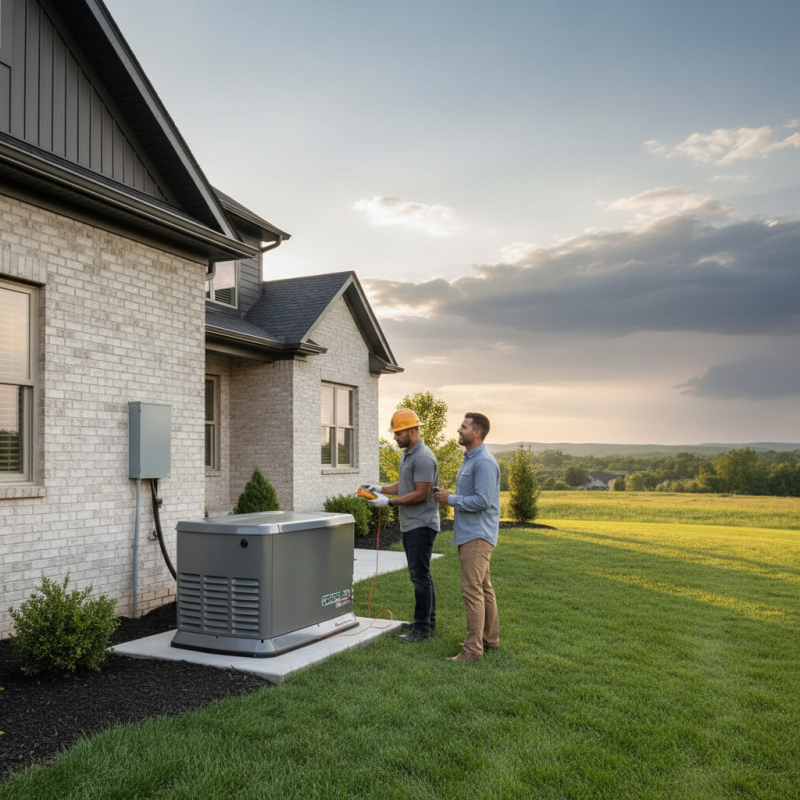
Choosing the Right Generator Size for Your Home Needs
When it comes to home generator installation, selecting the right size generator is crucial to ensuring uninterrupted power supply. According to the U.S. Department of Energy, a generator should be able to handle the essential appliances you'll need during a power outage, including refrigerators, heaters, and medical devices. Most homes require generators with a capacity ranging from 5,000 to 10,000 watts, but this can vary widely based on individual power needs. A systematic approach to calculate your total wattage requirement will help in selecting an appropriately sized unit.
To accurately determine the right generator size, begin by listing all the appliances you'd want to run simultaneously during an outage. Each appliance's wattage can typically be found on the device or in the owner's manual. For instance, a refrigerator might require around 600-800 watts while a central air conditioning unit can exceed 3,000 watts. According to a report by Energy Star, the average American household uses about 877 kWh per month, which equates to around 29 kWh per day, underscoring the importance of not only total wattage but understanding peak load requirements. By performing this evaluation, you can avoid the pitfalls of purchasing an undersized generator, which can lead to insufficient power and potential damage to appliances from voltage fluctuations.
Top 10 Tips for Home Generator Installation to Ensure Smooth Operation
| Tip Number |
Tip |
Details |
Recommended Size (kW) |
| 1 |
Assess Your Power Needs |
Calculate the total wattage of your home appliances. |
5-10 kW |
| 2 |
Choose the Right Type |
Consider portable vs. standby generators based on your needs. |
8-12 kW |
| 3 |
Location Matters |
Install away from doors and windows to prevent fumes. |
N/A |
| 4 |
Ensure Proper Ventilation |
Use outdoor exhaust to minimize carbon monoxide risks. |
N/A |
| 5 |
Connect to Transfer Switch |
Isolate the generator from the grid for safe operation. |
12-20 kW |
| 6 |
Check Fuel Types |
Consider gasoline, propane, or natural gas based on availability. |
N/A |
| 7 |
Regular Maintenance |
Schedule yearly maintenance checks for performance. |
N/A |
| 8 |
Consider Noise Levels |
Choose a quieter model if noise is a concern. |
N/A |
| 9 |
Read the Manual |
Follow the manufacturer's guidelines for best use. |
N/A |
| 10 |
Plan for Outages |
Keep extra fuel and batteries on hand for emergencies. |
N/A |
Determining Optimal Location for Generator Installation
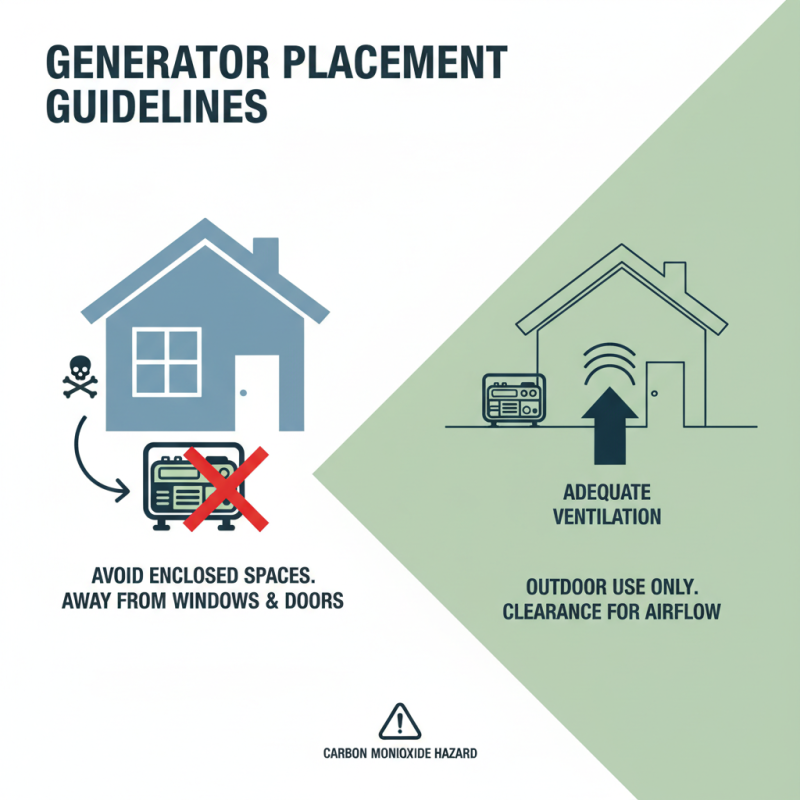
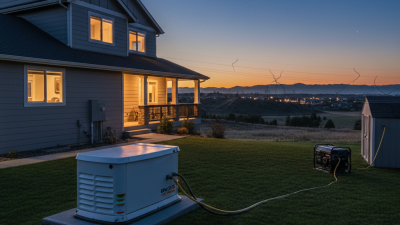
When considering the optimal location for generator installation, one must take several critical factors into account to ensure efficiency and safety. The generator should be installed in an area that allows for adequate ventilation. Avoiding enclosed spaces is paramount, as generators emit carbon monoxide, which can become hazardous if not properly ventilated. Ideally, the generator should be placed outside and away from windows, doors, and vents to minimize the risk of exhaust fumes entering the home.
Additionally, accessibility plays a crucial role in the placement of a generator. It should be positioned in a way that facilitates easy access for maintenance and refueling purposes. This not only ensures the generator can be serviced without hassle but also extends its lifespan. Moreover, the location should be chosen based on proximity to power lines and your home's electrical system to minimize installation complexities and reduce potential voltage drops. By carefully selecting the right location, homeowners can significantly enhance the overall performance and reliability of their home generator, ensuring it operates smoothly when needed most.
Understanding Local Codes and Regulations for Generator Setup
When installing a home generator, understanding local codes and regulations is crucial for ensuring a compliant and safe setup. Each region may have specific guidelines regarding placement, noise levels, and emissions that must be adhered to. Start by consulting your local building department or electrical inspector to get a grasp on the requirements specific to your area. Familiarizing yourself with these codes can prevent potential fines and ensure that your generator operates smoothly without hassles.
In terms of installation tips, ensuring proper distance from your home is essential. Most regulations require that generators be placed a certain number of feet away from windows and doors to minimize noise and exhaust fumes. Additionally, consider obtaining permits before installation, as some areas may mandate them to comply with local safety standards. Following these protocols not only satisfies legal obligations but also enhances the longevity of your generator.
Lastly, it's vital to check for any restrictions on fuel types and generator sizes as stated in your local codes. These regulations are in place to maintain safety and environmental standards. By being proactive and informed, you can ensure a successful and efficient generator installation that aligns with local regulations while maximizing functionality.
Connecting Your Generator to the Home Electrical System Safely
When considering the installation of a home generator, one of the most critical aspects is safely connecting it to your home electrical system. According to a report from the U.S. Department of Energy, improper connections can lead to backfeeding, which poses serious risks to utility workers and grid reliability. To prevent such hazards, it is essential to utilize transfer switches that isolate the generator from the grid. These switches ensure that power generated by the home generator does not flow back into the utility lines, thereby protecting both your home and the larger electrical infrastructure from potential damage.
Additionally, proper grounding of the generator is a paramount concern. The National Electrical Code (NEC) emphasizes the importance of grounding to prevent electrical shock and ensure the safety of appliances powered by the generator. Grounding systems must be installed correctly, utilizing ground rods or plates according to local regulations, which typically require that the generator be connected to a grounding system that's in compliance with NEC standards. This not only enhances the safety of your home generator operation but also maximizes its efficiency during power outages. Following these guidelines can significantly enhance the reliability of your home power supply and ensure a seamless transition during electrical disturbances.
Regular Maintenance Tips for Long-Term Generator Reliability
Regular maintenance is crucial for ensuring the long-term reliability of your home generator. According to the U.S. Department of Energy, properly maintained generators can last significantly longer than neglected units, with studies showing that an average generator can provide reliable power for up to 25 years with appropriate upkeep. This involves routine checks and servicing, including inspecting the fuel system, changing the oil, and replacing air filters. Engaging a certified technician for annual maintenance can help identify potential issues before they escalate into significant problems.
Moreover, industry experts emphasize the importance of keeping your generator clean and free from debris, which can accumulate over time and impede its operation. A report from the National Fire Protection Association highlights that nearly 20% of generator-related fires are due to improper maintenance. Regularly cleaning the exterior and ensuring that the area around the generator is clear can prevent these hazards.
Additionally, running the generator under load for about 30 minutes every month is recommended to ensure that it operates efficiently and to keep the internal components lubricated. By adhering to these maintenance practices, homeowners can enhance the performance and lifespan of their generators, ensuring they are prepared for any power interruptions that may arise.