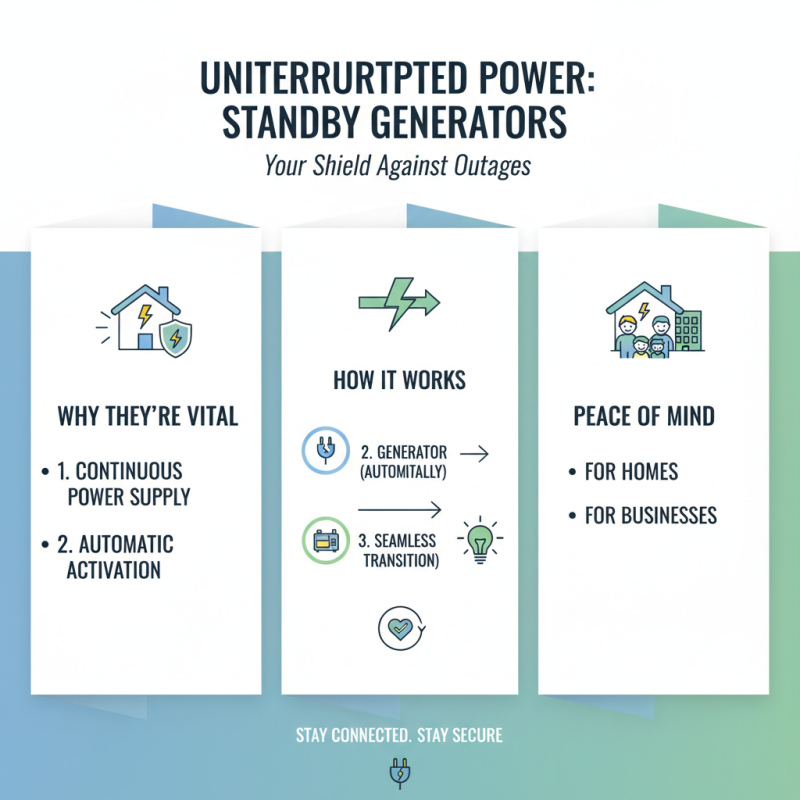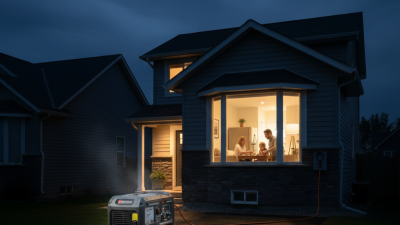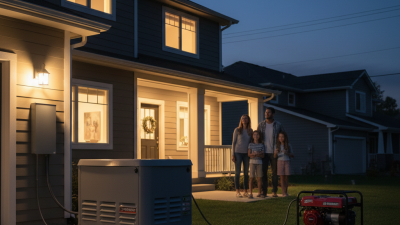
A standby generator is a crucial device for ensuring uninterrupted power supply during outages. These generators automatically activate when the main power fails, providing seamless electricity to homes and businesses. They are equipped with an automatic transfer switch, which detects power loss and starts the generator within seconds.
Understanding how a standby generator works can help in making an informed purchase. They typically run on natural gas or diesel, making them reliable sources of energy. However, choosing the right size and type is important. Some people underestimate their power needs, which can lead to inadequate backup during critical times.
Installing a standby generator requires careful planning and may involve electrical modifications. It’s essential to consider maintenance as well since neglecting it could result in malfunctions. Reflecting on these aspects will help users appreciate the role and significance of a standby generator in modern life.
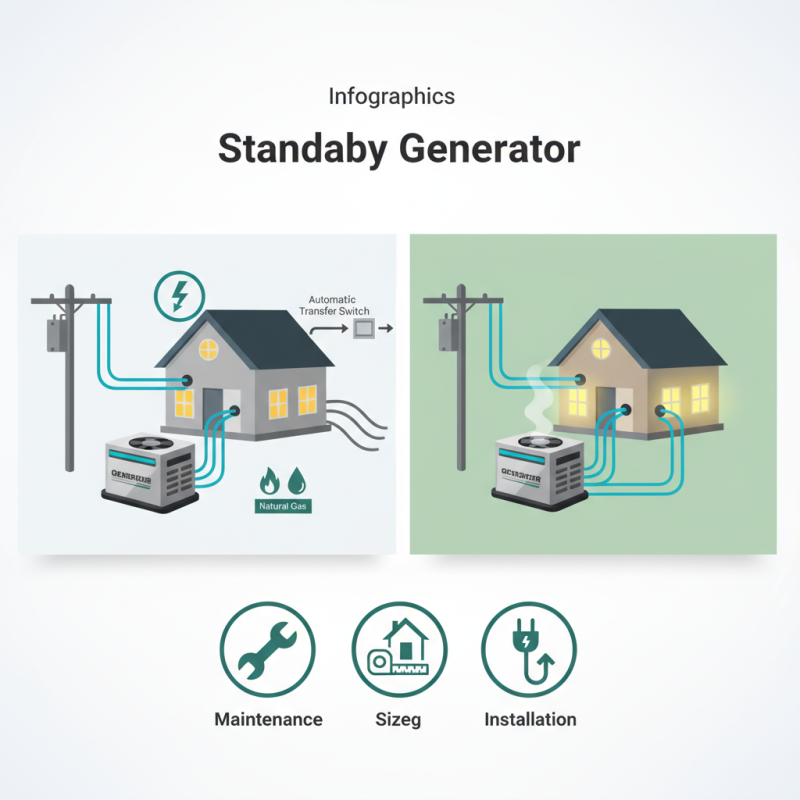
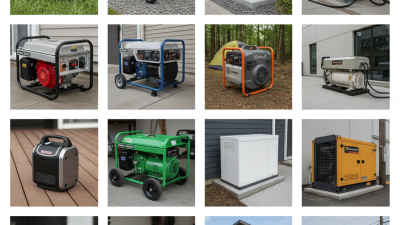
A standby generator is a backup power solution. It automatically kicks in during a power outage. Unlike portable generators, standby generators are permanently installed. They connect directly to your home’s electrical system. This makes them more reliable in times of need.
Industry data indicates that nearly 40% of homeowners experience power outages annually. Many of these last more than an hour. The consequences can be severe. Food spoilage, disrupted workflows, and even health risks arise with prolonged outages. Standby generators can mitigate these issues effectively. They provide power to essential appliances, ensuring comfort and safety.
Yet, standby generators have their drawbacks. Installation can be costly, often exceeding $5,000. Maintenance is also crucial for optimal performance. Neglecting it can lead to failures when you need it most. Additionally, understanding load calculations is essential. An undersized generator won’t power your home effectively. Thus, careful planning and investment are necessary.
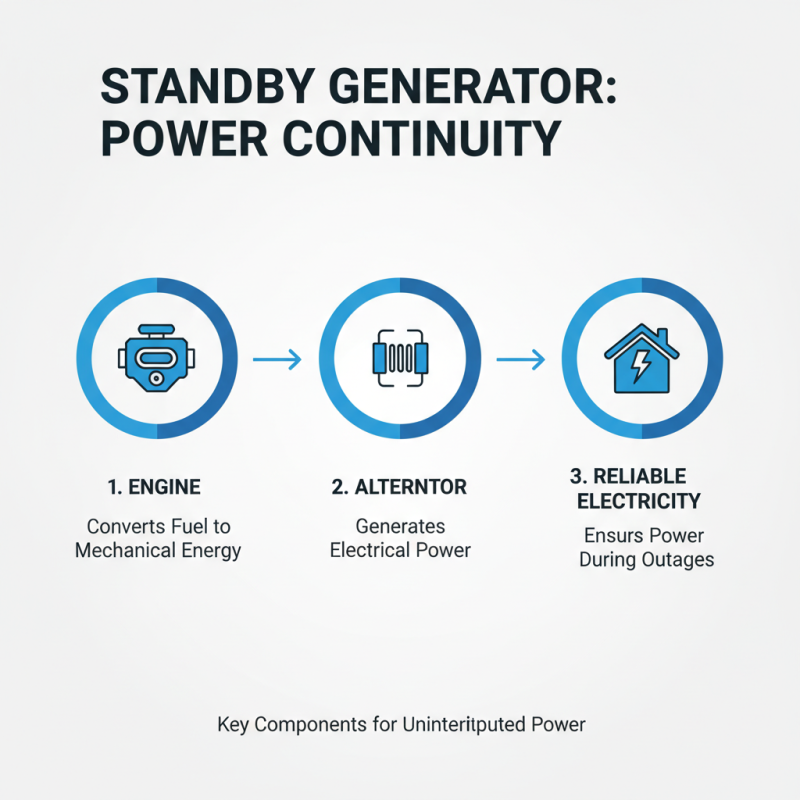
A standby generator is critical for ensuring power continuity during outages. Its components work together to provide reliable electricity. The heart of the system is the engine. It converts fuel into mechanical energy. This energy powers the alternator, which then generates electrical power.
Another key part is the transfer switch. It automatically switches the load to the generator during an outage. This switch is vital for safety. Incorrect operation can lead to accidents. Fuel tanks are also essential. They store the fuel required for the generator to function. The size of the tank affects how long the generator can run.
Maintenance is necessary for all parts. Neglect can lead to failure when you need it most. Keep the air filters clean and check fluid levels regularly. Even the best systems can break down. Understanding each component helps in effective troubleshooting. It’s a way to ensure everything runs smoothly when power is lost.
Standby generators are vital for ensuring a continuous power supply during outages. They automatically activate when the main electricity fails. This seamless switch provides peace of mind for homes and businesses alike.
How do standby generators operate? They connect to your electrical system and monitor the power supply. Upon detecting an outage, the generator engages. It takes only a few seconds. A transfer switch is key in this process. It safely reroutes power from the generator to the home.
Most models are fueled by natural gas or propane. These fuels are efficient, but supply issues can arise. Regular maintenance is important too. Neglecting it can lead to malfunction during critical times. Ultimately, while standby generators offer reliability, they require proactive care to be truly effective.
The installation process of standby generators can seem daunting. It's crucial to plan every detail carefully. First, assess where the generator will be placed. The ideal location is outside, away from windows and doors. Ensure it's on a flat, stable surface. This helps prevent any movement and allows for proper ventilation.
Next, consider the electrical connections. It's essential to hire a licensed electrician for this task. They will connect the generator to your home's electrical panel safely. A transfer switch is often needed to ensure safe operation during outages. This step cannot be overlooked. Incorrect wiring could lead to serious issues or hazards.
After installation, it's important to test the generator. Regular maintenance checks are necessary for optimal performance. Some users forget this vital aspect. Over time, dust and debris can build up, causing malfunctions. Periodically check for fuel levels and run a test cycle. Taking these steps ensures your generator will function when you need it most.
This chart illustrates the average power output (in kW) of different types of standby generators during typical operation stages.
A standby generator serves as a reliable backup power source during outages. These generators automatically kick in when the main power fails. This seamless transition keeps essential appliances running. You won’t have to manually restart anything.
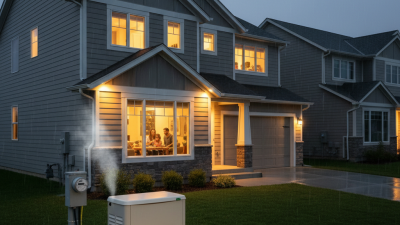
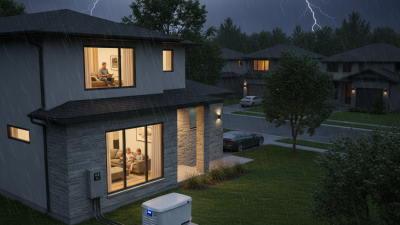
One of the main benefits is peace of mind. Imagine a storm causing a blackout. With a standby generator, your home remains powered. Your fridge stays cold, and lights stay on. That reliability can ease anxiety.
Another advantage is increased property value. Homes with generators often attract buyers. It’s a sought-after feature in areas prone to outages. People appreciate the convenience and security that comes with a standby generator. Yet, some may overlook installation costs. It can feel like an added expense, but the long-term benefits often justify the investment.
| Feature | Description | Benefits |
|---|---|---|
| Automatic Start | Turns on automatically during a power outage. | Ensures immediate power restoration without user intervention. |
| Power Output | Can provide power for the entire home or critical appliances. | Keeps essential services running such as refrigeration and heating. |
| Fuel Options | Runs on natural gas, propane, or diesel. | Flexibility in fuel choice based on availability and preference. |
| Maintenance | Requires regular maintenance checks for optimal performance. | Promotes longevity and reliability of the generator. |
| Safety Features | Includes circuit breakers and shut-off switches. | Protects both the generator and home from power surges. |