Top 5 Tips for Choosing the Best Commercial Generators?
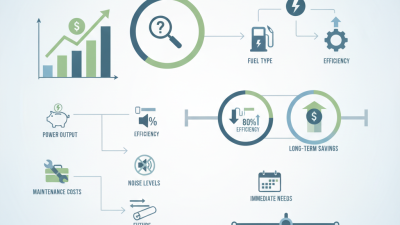
Choosing the right commercial generators can be a daunting task. As the industry expert, John Thompson, states, “A reliable generator is crucial for any business.” When selecting a generator, factors like power output, fuel type, and portability should be considered. A generator must not only meet your energy needs but also fit your business's operational style.
Understanding the nuances of commercial generators can save businesses time and money. Many customers overlook essential details, such as maintenance requirements and noise levels. These aspects can significantly impact your business operations. A well-chosen generator can enhance productivity and reliability.
Ultimately, the decision involves more than just comparing specs. It requires careful consideration of your unique needs. Each business environment is different. Take the time to reflect on how often and where you will use your commercial generators. The right choice can ensure that your business operates smoothly even during power outages.
Understanding Your Power Needs and Requirements
When selecting a commercial generator, understanding your power needs is crucial. Start by assessing the total wattage required for your facility. List all essential equipment, such as lighting, HVAC systems, and machinery. This step ensures you won’t face shortages during an outage. Many underestimate their requirements, leading to inadequate power production.
Consider your operational hours. Will the generator be used sporadically or continuously? The answer influences the size and fuel type needed. A generator designed for constant use may differ significantly from one intended for occasional backup. Look into peak demand versus average demand. This information shapes your decision-making process.
Additionally, think about future expansion. Power needs can change with new equipment or services. A generator that meets today’s needs might fall short tomorrow. It’s wise to leave room for growth. This foresight prevents costly replacements in the long run. Balancing current needs with prospective growth is a challenge worth addressing.
Top 5 Tips for Choosing the Best Commercial Generators
| Tip |
Description |
Power Output (kW) |
Fuel Type |
Run Time (hours) |
| Assess Your Power Needs |
Determine the total wattage required for your operations. |
30-1000 |
Diesel |
8-24 |
| Consider Portability |
Evaluate whether a stationary or portable generator suits your needs. |
10-500 |
Gasoline |
5-12 |
| Check Noise Levels |
Ensure the generator operates quietly to minimize disruption. |
5-200 |
Propane |
10-15 |
| Evaluate Fuel Efficiency |
Choose generators that maximize run time on minimal fuel. |
20-600 |
Dual Fuel |
12-24 |
| Read Reviews and Ratings |
Look for feedback from current users to gauge reliability. |
25-750 |
Natural Gas |
10-20 |
Evaluating Different Types of Commercial Generators
When evaluating different types of commercial generators, the choices can be overwhelming. Businesses must consider various factors to make informed decisions. One major consideration is the type of fuel used. Diesel generators are often preferred for their efficiency and longevity. According to industry reports, diesel generators can run approximately 10,000 hours without major maintenance. As a result, they are often a reliable investment for heavy-use scenarios.
Another important aspect is the generator's power output. Depending on the operational needs, businesses can choose from units that provide anywhere from 5 kW to 2500 kW of power. Understanding the load requirements is crucial. A mismatch in power capacity can lead to underperformance or cost inefficiencies. Research suggests that 73% of users experience improved productivity after properly sizing their generators.
Lastly, noise levels should not be overlooked. Commercial settings often require quiet operations. Many states have regulations limiting noise output. Therefore, looking for generators with sound-dampening features is wise. This can increase compliance and overall satisfaction among employees and customers. Ultimately, evaluating these factors can significantly enhance generator performance and reliability over time.
Top 5 Tips for Choosing the Best Commercial Generators
This chart compares the key features of different types of commercial generators based on power output, fuel efficiency, noise levels, and maintenance cost.
Assessing Fuel Types and Efficiency for Generators
When selecting a commercial generator, understanding fuel types and efficiency is crucial. Generators primarily run on diesel, gasoline, natural gas, or propane. Each fuel type has its own benefits and drawbacks. For instance, a report by the U.S. Department of Energy states that diesel generators offer more power per gallon, making them a popular choice for high-demand applications. However, they are often noisier and produce more emissions than their natural gas counterparts.
Efficiency also plays a key role in determining operational costs. According to a study from the International Energy Agency, choosing a generator with higher efficiency can lead to significant savings over time. Many modern generators boast efficiencies upwards of 30%, which can reduce fuel consumption and, ultimately, operating costs. However, not every generator will achieve its rated efficiency in real-world conditions, especially during variable load operations.
It's essential to balance fuel availability against efficiency ratings. In some regions, natural gas might be cheaper and widely available, while others may have limited access to it. Decision-makers must consider these factors to avoid potential operational disruptions. A less efficient generator might seem cost-effective upfront but can lead to higher long-term expenses. Balancing these elements requires careful evaluation and planning.
Considering Noise Levels and Environmental Impact
When choosing a commercial generator, two critical factors are noise levels and environmental impact. Noise pollution can be a serious issue for many businesses. Generators can emit sounds between 60 dB to over 100 dB, depending on the model. According to the World Health Organization, consistent exposure to noise levels above 60 dB can lead to health problems. It's essential to select a generator that operates at lower noise levels to ensure a comfortable work environment for employees and nearby residents.
Consider the generator's emissions as well. Many commercial generators rely on diesel fuel, which can release harmful pollutants. The Environmental Protection Agency (EPA) reports that diesel generators contribute to air quality deterioration. Opting for generators with lower emissions or alternative fuels such as natural gas can significantly reduce environmental impact. Look for models that meet or exceed the EPA's Tier 4 standards for cleaner emissions.
Tip: Always check the decibel ratings before purchasing. A quieter generator might have a higher upfront cost but can save you trouble down the road.
Evaluate your specific needs and local noise ordinances as well. Sometimes, seemingly quiet generators may still exceed local noise regulations. Thus, conducting a noise impact analysis can be beneficial.
Tip: Calculate your generator's operational hours and potential fuel costs. A slightly more efficient model can offer savings over time.
Reviewing Warranty, Support, and Maintenance Options
When selecting a commercial generator, warranty is a key factor to consider. A good warranty can save you money in the long run. Look for a warranty that lasts at least three years, covering parts and labor. Some warranties even include on-site service, which can be a significant advantage. This ensures that if something goes wrong, help is readily available. A reliable warranty reflects the manufacturer’s confidence in their product.
Support options are equally vital. Evaluate the customer service track record of the manufacturer. Availability of support can differ widely. It should include 24/7 assistance, especially for businesses that rely heavily on continuous power. Quick response times can minimize downtime during emergencies. Additionally, consider whether the company offers maintenance plans. Regular maintenance can enhance the lifespan of your generator and prevent unexpected breakdowns.
Maintenance options should be detailed in the purchase agreement. Knowing what is included can prevent future surprises. Some companies offer scheduled maintenance at a reduced rate for customers. This proactive approach allows you to stay ahead of issues. Not all offerings are the same, so examine the fine print closely. Understanding these aspects can ensure you choose a generator that meets your long-term needs.