Top Home Backup Generators for Reliable Power Solutions?
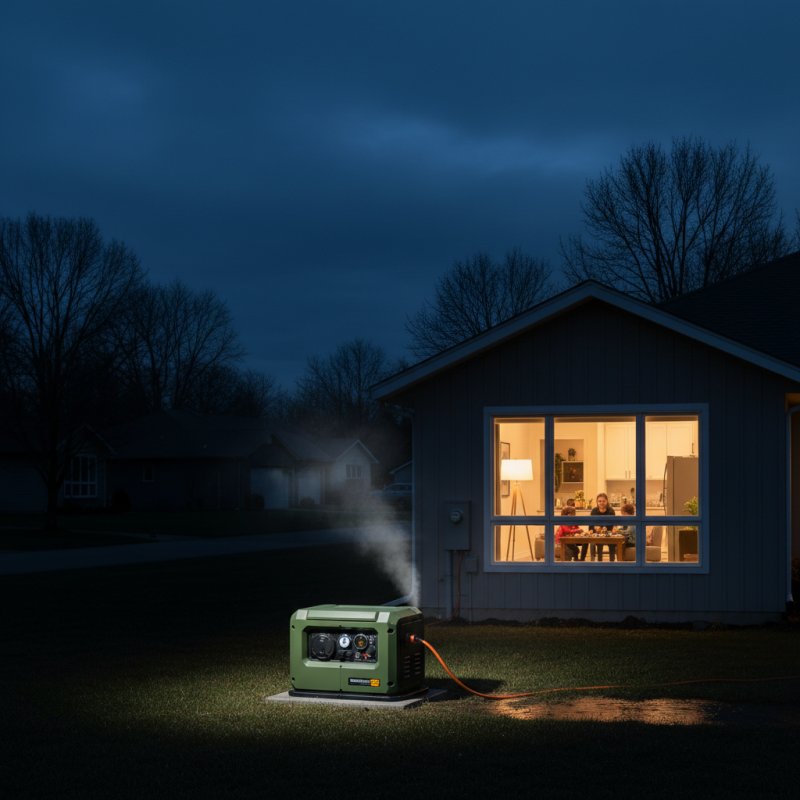
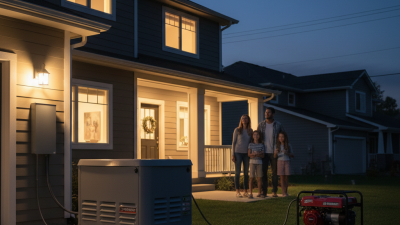
In today's world, reliable power solutions are crucial for every home. Home backup generators offer an excellent way to ensure that essential appliances remain operational during power outages. These generators provide peace of mind, especially when storms or unexpected outages strike.
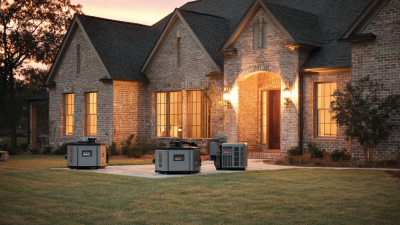
Home backup generators come in various sizes and types. Some are portable, allowing for easy relocation, while others are stationary, wired directly into the home’s electrical system. Many features make these generators appealing, such as automatic start functions and lower noise levels.
However, choosing the right home backup generator can be overwhelming. Each household has different power needs. It’s important to assess what appliances you want to keep powered. Some generators may not adequately support every device you rely on. A well-informed decision can make all the difference during a power failure.
Understanding the Importance of Home Backup Generators
Home backup generators are essential for maintaining power during outages. According to the U.S. Energy Information Administration, about 60% of Americans experience power interruptions. These disruptions can last hours or even days. A reliable generator ensures your home remains functional in these times of need.
Investing in a backup generator offers peace of mind. It boosts your home’s resilience against severe weather and natural disasters. Statistics reveal that 30% of homeowners face loss due to outages. Many need refrigeration for food safety or electricity for medical equipment. Assessing your specific power needs is vital before making a purchase.
Tip: Choose a generator with an automatic transfer switch. This will allow seamless power transition when the outage occurs. Regular maintenance of your generator extends its life and reliability too. Remember, not all outages happen in predictable seasons. Being prepared is the best defense. Plan ahead, and don’t wait for the next storm.
Top Home Backup Generators for Reliable Power Solutions
This chart illustrates the number of units sold for various capacities of home backup generators. It highlights the demand trends among different generator power ratings, showcasing how consumer preferences vary based on backup power needs.
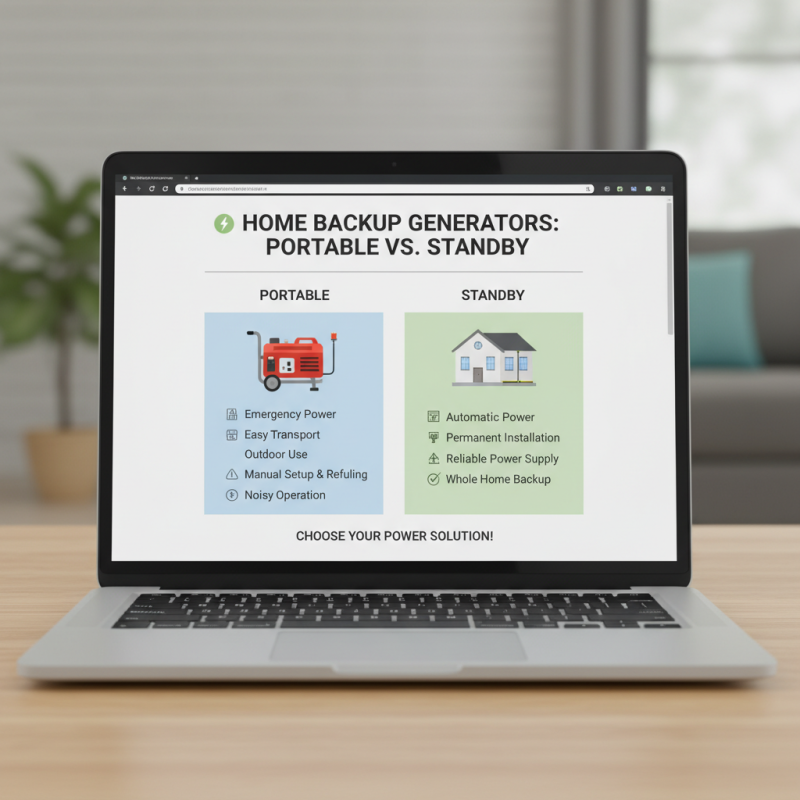
Types of Home Backup Generators: Portable vs. Standby
When considering home backup generators, two main types emerge: portable and standby. Portable generators can provide power during outages. They are typically smaller and easier to transport. You can use them for camping or outdoor events as well. However, they require manual setup and refueling, which can be inconvenient in emergencies. The noise level can also be an issue, disrupting the peace during a stormy night.
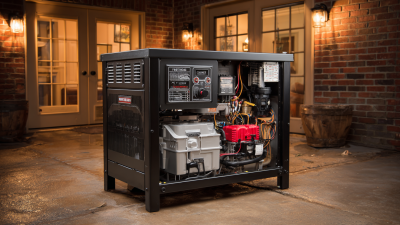
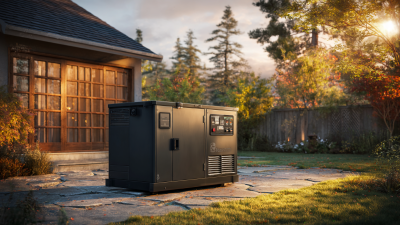
Standby generators offer an automatic solution. They connect directly to your home's electrical system. When the power goes out, they kick in automatically. This feature is convenient and gives peace of mind. However, they come with higher installation costs and require regular maintenance. Some homeowners find the expense daunting. It’s crucial to weigh convenience against cost. Each home has unique needs, and there’s no one-size-fits-all answer. Choosing the right generator involves understanding your power needs. Think about the appliances you want to run. This decision can guide you toward the best option for your home.
Key Features to Consider When Choosing a Backup Generator
When selecting a backup generator, key features are crucial. Not all generators offer the same level of performance or reliability. A recent industry report indicated that over 30% of homeowners experienced power outages in the past year. This underscores the need for a strong backup solution.
Power output should be the first consideration. Assess your home’s energy needs. Generators vary widely, with outputs ranging from 3,000 to 20,000 watts. Smaller models might suffice for minimal needs, but larger households typically require more wattage. A generator should comfortably handle essential appliances during outages.
Fuel type is another important factor. Options include gasoline, propane, and natural gas. Each fuel source has advantages and disadvantages. For instance, gasoline may be more accessible, but has a shorter shelf life. Propane is cleaner and often longer-lasting. Additionally, look for features like automatic start, noise levels, and portability. A quiet generator can significantly enhance comfort during a power shortage. Ultimately, finding the right generator involves a balance of these elements. It's not just about power; it’s also about convenience and reliability in your time of need.
Top Brands and Models for Reliable Home Power Solutions
When the power goes out, having a reliable backup generator can make all the difference. Several brands and models stand out for their performance and efficiency. These generators come in various sizes and capacities, catering to different needs. Some can run essential appliances, like refrigerators, while others can power an entire home.
Many homeowners prioritize ease of installation. A generator that requires minimal setup saves time and frustration. Portability is another important feature. Some units are compact and lightweight, making them easy to transport for outdoor events or emergencies. However, it’s crucial to consider noise levels. Some generators can be quite loud, which may not be ideal for residential areas.
It's essential to evaluate fuel options as well. Gasoline and propane are common choices, but each has its own pros and cons. Some models are more fuel-efficient, leading to longer runtimes. Always check the warranty and support offered by the manufacturer. A strong customer service experience can be invaluable if issues arise. Planning for a power outage involves more than just purchasing a generator; it requires thoughtful consideration of your unique needs and priorities.
Installation and Maintenance Tips for Backup Generators
When considering a backup generator, installation is key. Choose an accessible location that provides ample ventilation. Avoid cramped spaces. Ground the generator properly to prevent electrical mishaps. Position it at least 20 feet from windows or doors to minimize carbon monoxide risks. Make sure the area is clear of debris and other potential hazards.
Maintenance is equally important for long-term performance. Regularly check the oil and fuel levels. Clean or replace the air filters as needed. Battery health is crucial, especially in colder months. Ignoring these simple tasks can lead to issues when you need power most. Test the generator every month to ensure it runs smoothly. A log can help you track maintenance activities. Neglecting minor details can cause significant failures during emergencies.