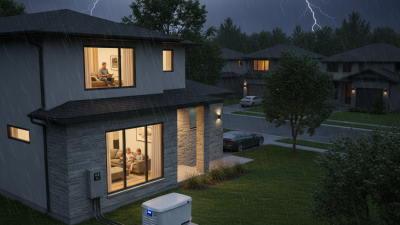
In today's fast-paced world, ensuring reliable back up power is crucial for both homes and businesses. Frequent power outages can disrupt daily operations and cause significant financial losses. According to a report by the International Energy Agency (IEA), grid failure costs businesses around $150 billion annually. Homes are not immune either; a major blackout can lead to food spoilage and loss of comfort.
Many people overlook the need for back up power solutions until it's too late. A survey by the U.S. Energy Information Administration found that nearly 20% of Americans experienced a power outage last year. This reality underscores a growing demand for dependable backup systems. Consumers often think of generators, but battery storage and solar solutions are gaining traction.
The challenge lies in choosing the right solution. Some options may seem perfect at first glance but fail in long-term reliability. It's necessary to weigh the costs against potential losses from outages. As the market evolves, staying informed about advancements can make all the difference. Reliable back up power not only protects assets but also provides peace of mind.

In today’s world, an uninterrupted power supply is crucial for homes and businesses. A recent report indicates that nearly 70% of businesses experience downtime due to power interruptions. This loss can lead to significant revenue loss and decreased productivity. Backup power solutions are essential to mitigate such risks.
Generators are common backup solutions. They provide reliable power during outages. Yet, they require regular maintenance. Neglecting this aspect can lead to failure when needed most. Battery storage systems are also gaining popularity. They can store energy from renewable sources. However, the initial investment is high, and their lifespan can be limiting.
Alternative solutions include uninterruptible power supplies (UPS). They support critical operations during short outages but may not last long. Data from industry analysts suggest that integrating multiple systems can provide the best coverage. A combination of generators and battery systems might be necessary. Each solution has its pros and cons. Careful assessment is vital to ensure reliability. The challenge is to find the right balance.
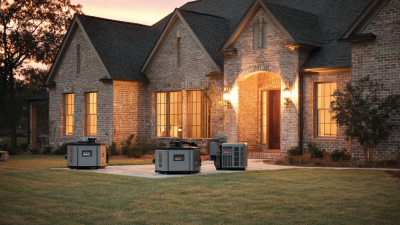
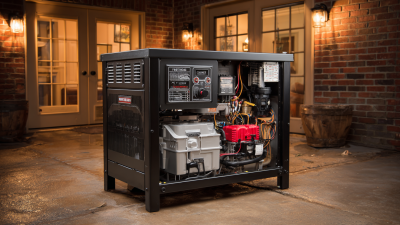
When considering backup power solutions, it's essential to understand the three main types: generators, batteries, and inverters. Generators are robust devices that can provide substantial power during outages. They run on fuel and can handle heavy loads. However, they require regular maintenance and a suitable storage area.
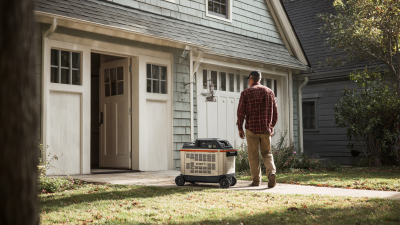
In contrast, battery systems, especially lithium-ion ones, are becoming popular for home use. They are quieter and require less upkeep. Yet, they may not provide power for extended periods without being charged. Keep in mind that battery systems usually have high initial costs.
Tips: Assess your power needs before choosing a system. Size matters. Also, consider how often you will use it. Check for space requirements; generators need ventilation. If you're thinking of renewable options, inverters can help. They convert DC power from solar panels into usable AC power for your home. Reflecting on your family’s or business's unique needs is vital. What works for one may not work for another. Consider your situation carefully; it’s okay to seek professional advice.
| Type of Backup Power | Description | Best For | Avg. Runtime | Maintenance |
|---|---|---|---|---|
| Generators | Convert fuel into electricity, providing immediate power during outages. | Large homes, businesses, outdoor events. | Varies by fuel type; generally 5-48 hours. | Regular oil changes, clean air filters, check fuel levels. |
| Battery Backup Systems | Store energy for use during power outages, often paired with solar systems. | Homes with solar panels, businesses needing uninterrupted power. | 4-12 hours depending on usage. | Monitor battery health, replace every few years. |
| Inverters | Convert DC power from batteries into AC power for home use. | Off-grid homes, RVs, emergency power supplies. | Depends on the battery capacity and usage. | Ensure ventilation, clean connections. |
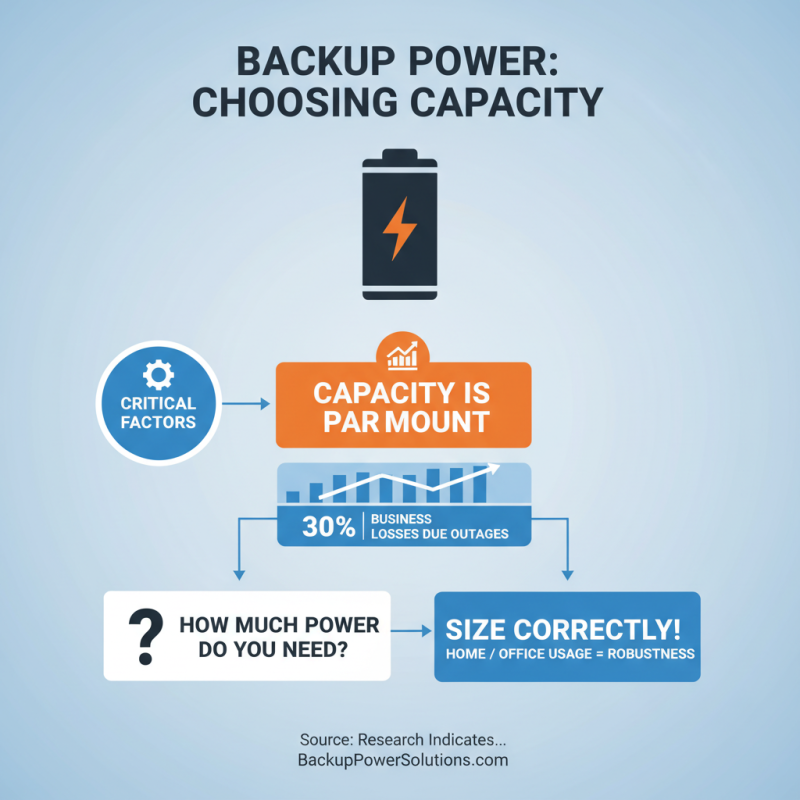
When choosing backup power solutions, several critical factors need consideration. Capacity is paramount. Research indicates that 30% of businesses experience financial losses due to power outages. Thus, sizing the system correctly is essential. How much power does your home or office typically use? This question defines how robust your solution should be.
Another crucial aspect is fuel type. Options vary widely from batteries to generative systems. Battery technologies have grown; however, they often require frequent maintenance. In contrast, generators can run longer but depend on fuel availability. According to industry reports, nearly 25% of companies lack a plan to manage extended outages. This ignorance can lead to severe operational risks.
Moreover, the installation process must be easy and compliant with local regulations. About 40% of installation errors stem from misunderstood local codes. It highlights the importance of proper research. Regular testing and maintenance are often overlooked. Reports say that nearly half of backup systems fail during emergencies due to neglect. This reality calls for a more proactive approach to power reliability.
Ensuring reliable backup power is essential for both homes and businesses. A consistent power supply protects sensitive equipment and data. In homes, it keeps essential appliances running during outages. Refrigerators maintain cold temperatures, preventing food spoilage. Medical equipment remains functional, a critical need for those relying on it.
In a business context, the stakes are higher. Power outages can halt operations, leading to significant financial losses. Reliable backup power solutions minimize downtime. Clouds of uncertainty often linger during power failures. Companies risk losing data or facing costly repairs. Even a moment's interruption can cause chaos, impacting customer satisfaction.
However, not all backup solutions are perfect. Some may struggle during prolonged outages. Others might require complex installations, which can be costly and time-consuming. The reality is that many underestimate the importance of testing these systems regularly. Neglecting maintenance can lead to failures when they are most needed. Planning for backup power shouldn't be an afterthought; it requires careful consideration and ongoing attention.
Reliable backup power systems are crucial for both homes and businesses. Regular maintenance ensures these systems function effectively during outages. According to a recent survey, 40% of businesses experience revenue loss due to power failures. This makes it imperative to keep backup solutions in top shape.
Frequent inspections can uncover hidden issues. Many systems fail because of neglect or improper servicing. A simple check-up can prevent costly repairs later. It’s important to establish a routine maintenance schedule.
Tips: Test your backup power system monthly. This helps identify battery performance and charging issues early. Keep systems clean and clear of debris. This simple step can enhance efficiency and prolong lifespan.
Support for backup systems shouldn't be overlooked. An effective support plan minimizes downtime. Many reports indicate that 70% of power outages last less than an hour. However, without proper backup systems, even short outages can disrupt operations significantly. Emphasize training for staff on emergency procedures. Empowering them with knowledge fosters a culture of preparedness.