Top Electrical Generator Types for Global Buyers?
The global electrical generator market is vast and diverse, making it essential for buyers to understand their options. According to a recent report by MarketsandMarkets, the electrical generator market is projected to grow from $23.4 billion in 2020 to $29.1 billion by 2025. This reflects a strong demand driven by infrastructure development and energy needs worldwide.
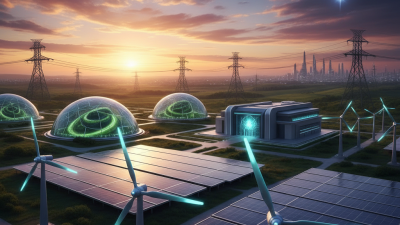
Various types of electrical generators cater to different applications. Diesel generators dominate the market, accounting for more than 50% of the share. However, renewable energy sources, such as wind and solar generators, are reshaping the landscape. Industry experts note that this shift is influenced by global sustainability goals and increased investments in clean energy technologies.
While choosing an electrical generator, buyers must consider their specific requirements. Reliability and efficiency are crucial. However, cost-effectiveness cannot be overlooked. Often, the most efficient options may require higher upfront investments. Balancing these factors while adapting to rapidly changing industry standards poses a significant challenge for global buyers.
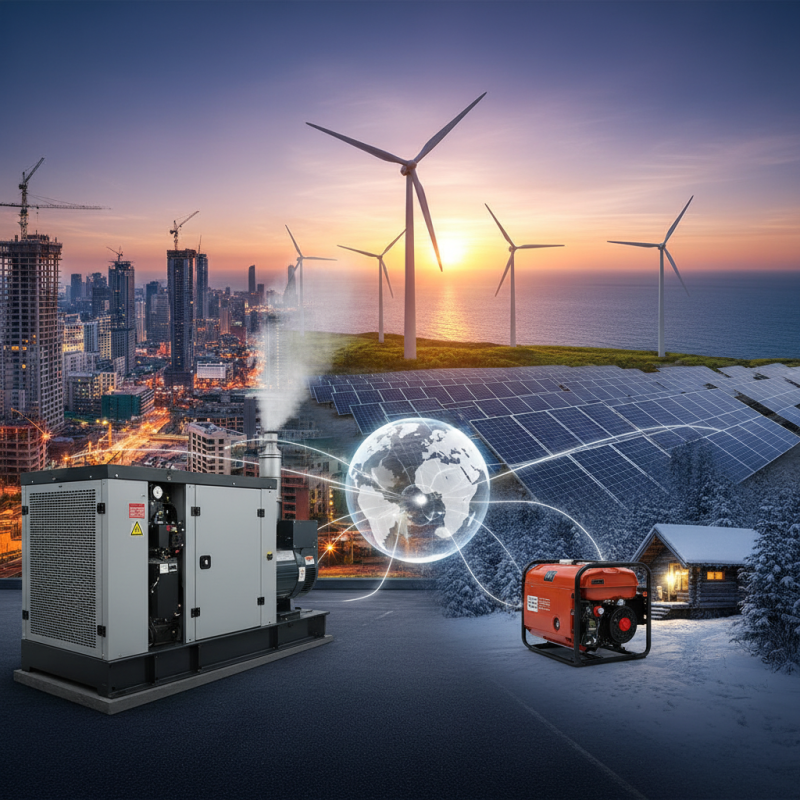
Overview of Electrical Generators and Their Importance
Electrical generators play a crucial role in various sectors, providing reliable power for homes, industries, and emergency services. As of 2023, the global generator market is expected to reach $25 billion, with a compound annual growth rate (CAGR) of 5.6%. This growth is largely driven by increasing demand for portable and backup power solutions. Reliable energy sources ensure operational continuity, especially in critical sectors like healthcare and data services.
Understanding the different generator types is essential for effective purchase decisions. Diesel and natural gas generators remain popular due to their efficiency. Notably, the shift towards renewable sources, such as solar-powered generators, is gaining traction. This eco-friendliness aligns with global sustainability efforts. Additionally, more businesses are recognizing the importance of having a backup power plan to mitigate risks associated with energy outages.
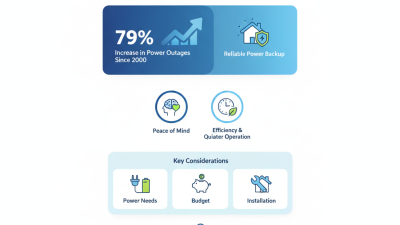
**Tip:** Evaluate your specific power needs before making a purchase. Calculate total wattage requirements to select the right generator size. Also, consider maintenance costs when choosing between different types of generators. Understanding these aspects helps ensure long-term reliability and efficiency.
Types of Electrical Generators: A Comprehensive Classification
When selecting an electrical generator, understanding the types available is crucial. Generators can be classified into several categories based on their operation and fuel source. The most common types are portable generators, standby generators, and inverter generators. Each type serves different user needs and applications.
Portable generators are known for their versatility. They can be used for camping, emergencies, or construction sites. As per industry reports, the global portable generator market is projected to reach $5.5 billion by 2026.
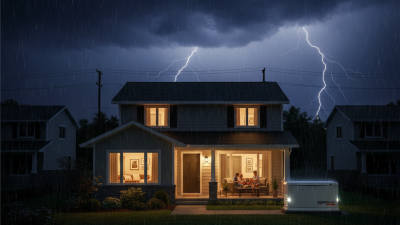
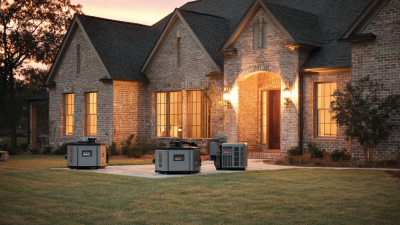
Standby generators, on the other hand, are permanently installed. They automatically turn on during power outages, providing reliable backup for homes and businesses. Inverter generators offer clean power with lower noise levels, making them ideal for sensitive electronics.
Challenges exist in choosing the right generator. Many buyers focus solely on output power, overlooking fuel efficiency and maintenance. A generator that consumes more fuel may lead to higher costs. Understanding these nuances is essential for an informed decision. Data suggests that users must balance performance and long-term expenses, especially with rising fuel prices. Selecting the appropriate generator requires a comprehensive assessment of needs and scenarios.
Key Features and Specifications of Popular Generator Types
When choosing an electrical generator, key features and specifications play a vital role. Understanding these elements can help buyers make informed decisions.
Output capacity is crucial. Generators typically range from small portable units to large commercial models.
A generator's wattage determines its ability to power devices. Many options range from 1,000 to several thousand watts.
Fuel type also affects performance. Common choices include gasoline, diesel, natural gas, and propane.
Each fuel type has distinct advantages and drawbacks.
Diesel generators are known for their longevity and efficiency but tend to be heavier.
Natural gas models are easier to refuel but may not perform as well during outages.
Noise levels can be a consideration too. Portable generators often produce more noise than stationary units.
This factor affects usability in residential areas.
Emissions are another aspect to keep in mind, especially for environmentally conscious buyers.
Therefore, it’s essential to reflect on power needs versus noise and emission concerns, showing that there is no one-size-fits-all solution in generator selection.
Applications of Electrical Generators Across Various Industries
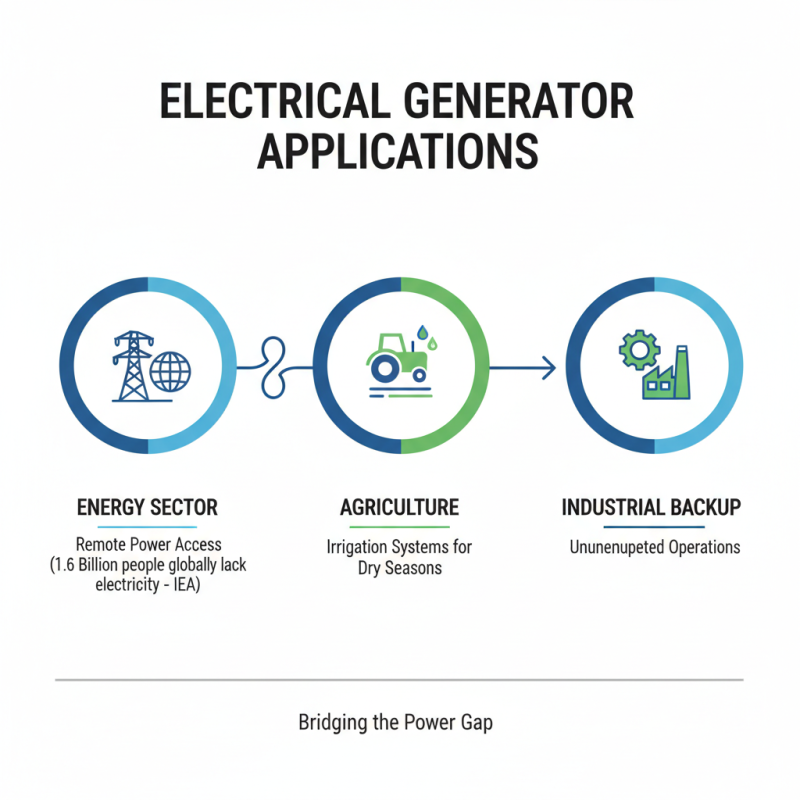
Electrical generators play a vital role across various industries. In the energy sector, they provide power for remote locations. According to a report by the International Energy Agency, globally, about 1.6 billion people still lack access to electricity. Generators bridge this gap. They cater to agricultural needs, ensuring irrigation systems run smoothly during dry seasons.
In healthcare, reliable power is crucial. Hospitals often use generators to maintain operations during outages. A report from the World Health Organization highlights that consistent electricity can significantly improve patient outcomes. Meanwhile, the construction industry relies on generators for tools and machinery. They are essential for site safety, especially in locations without grid access.
While these applications demonstrate the necessity of generators, challenges remain. Some generators emit greenhouse gases. Sustainable alternatives are still under development. Another concern is maintenance; aging equipment can lead to failures. Regular checks are essential to ensure reliability in critical applications. Overall, the diversity in generator usage highlights its importance, yet underscores the need to innovate for environmental protection and reliability.
Considerations for Selecting the Right Generator for Global Markets
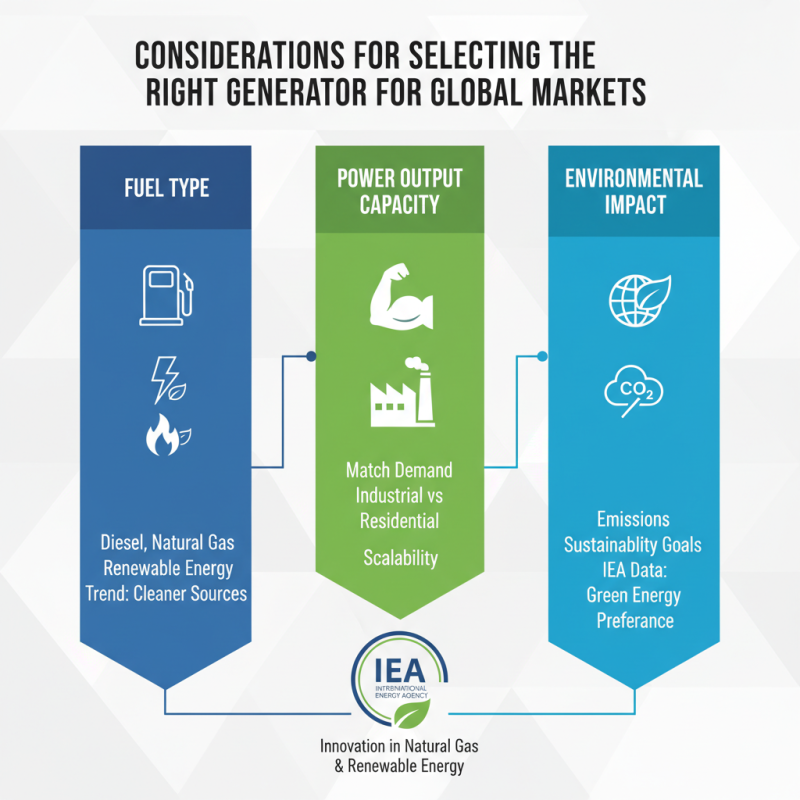
When selecting an electrical generator for global markets, various factors come into play. Key considerations include fuel type, power output capacity, and environmental impact. Data from the International Energy Agency (IEA) indicates a growing preference for cleaner energy sources. This has prompted manufacturers to innovate generators that run on natural gas or renewable energy, which align with global sustainability goals.
The choice of generator also hinges on its application. For instance, portable generators serve small businesses and outdoor events effectively, while industrial generators are indispensable for large-scale operations. According to Market Research Future, the demand for diesel generators is projected to grow at a compound annual growth rate (CAGR) of 6% through 2028. This insight reveals the persistent need for reliable power sources in developing regions, even as cleaner technologies emerge.
Moreover, compliance with local regulations is critical. Generators must meet emissions standards set by authorities to avoid penalties. Some markets may favor low-noise models, reflecting community preferences. Assessing these criteria requires thorough research and understanding of market trends. Balancing power requirements with eco-friendliness remains a challenge for buyers across various sectors.