Top Home Generator Systems for Reliable Power Backup?
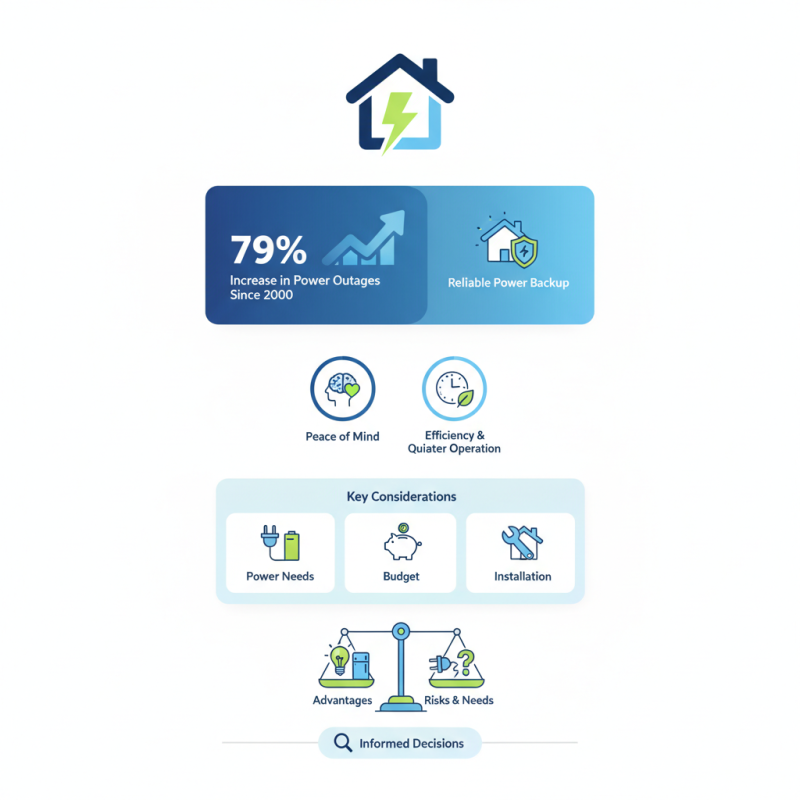
In recent years, the demand for home generator systems has surged. According to a report by the U.S. Energy Information Administration, power outages have increased by 79% since 2000. These outages disrupt daily life, prompting homeowners to seek reliable backup solutions. Industry expert Dr. Emily Carter states, “Investing in a home generator system can be a lifesaver during prolonged blackouts.”
Homeowners are becoming more aware of the benefits of these systems. They provide peace of mind, knowing that essential appliances will remain powered during an outage. Additionally, many systems have become more efficient and quieter, improving overall user experience. Nonetheless, the market is filled with options, making it challenging to choose the right one.
Some consumers question if a home generator system is worth the investment. It's essential to consider factors such as power needs, budget, and installation requirements. There are clear advantages, yet not all systems will meet everyone's needs. Understanding the risks and benefits can lead to more informed decisions for potential buyers.
Overview of Home Generator Systems
When considering home generator systems, reliability is key.
A consistent power source can prevent disruptions during outages. According to the U.S. Department of Energy, power outages occur at least once a year in 60% of American homes. This highlights the need for a reliable backup solution.
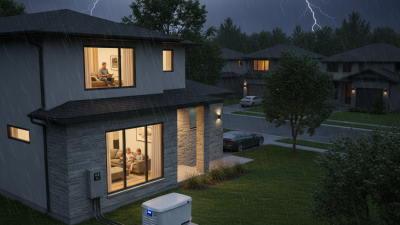
Home generator systems come in various types, including portable and standby units. Portable generators are convenient but often lack the capacity for entire-home use. Standby generators connect directly to your home’s electrical system and activate automatically. This is crucial during unexpected blackouts.
Data from the National Fire Protection Association indicates that improperly installed generators pose safety risks.
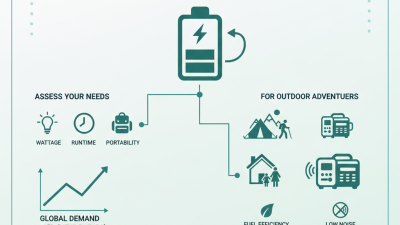
Here are some tips: Assess your energy needs carefully. Calculate the wattage of essential appliances. This will help you choose a generator with adequate power. Regular maintenance is vital. Neglecting it can lead to failures when you need power the most. Store fuel safely and check it regularly to ensure it’s fresh.
Planning is essential. Research local regulations about generator installation. Some areas have specific restrictions. Always consider the noise level of the generator to avoid disturbing your neighbors.
Remember, the right choice can make a significant difference in your home safety and comfort.
Types of Home Generators: Standby vs. Portable
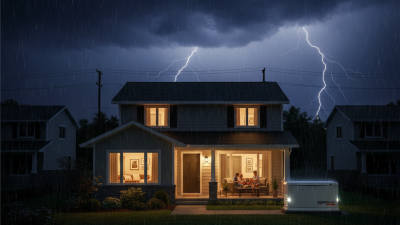
When considering home generators, it’s crucial to understand the difference between standby and portable systems. Standby generators are permanently installed and kick in automatically during a power outage. They can power an entire home and offer convenience and reliability. According to a report from the Generator Industry Association, 75% of homeowners prefer standby generators for their capacity to handle significant electrical loads.
Portable generators, on the other hand, are versatile and can be moved easily. They are ideal for smaller power needs, such as for camping trips or tailgating. However, you'll need to manage fuel levels and manually start them. Data shows that portable generators are a popular choice, with about 55% of users favoring them for emergencies.
**Tip:** Assess your power needs before making a decision. Calculate the total wattage required for essential appliances.
It’s essential to consider your specific situation. Standby systems may require professional installation, adding to upfront costs. Portable units might seem cheaper, but fuel and maintenance can add up over time.
**Tip:** Always read the user manual and safety guidelines. Understand your generator’s limits to avoid overload.
Key Features to Consider When Choosing a Generator
When selecting a home generator, several key features are essential.
Power output is a priority. Generators typically range from 5kW to 22kW. A unit providing 10kW can power essential home appliances during outages. This means keeping the fridge running and lights on without interruption.
Fuel type matters, too.
Generators can run on gasoline, propane, or natural gas. Each fuel source has pros and cons. For example, gasoline is widely available but has a shorter shelf life. Conversely, propane is cleaner and lasts longer. Understanding your fuel needs can vastly impact your generator’s effectiveness.
Additionally, noise levels deserve attention.
Some models emit over 70 decibels, which can be disruptive. A quieter generator often costs more but is worth considering for residential areas. Finally, portability is another factor. A portable generator enables use in various locations, but fixed models offer higher capacity.
Balancing these features can lead to improvements in reliability and overall satisfaction. Choosing the right generator involves careful consideration and personal evaluation of needs and circumstances.
Top Brands and Models for Reliable Power Backup
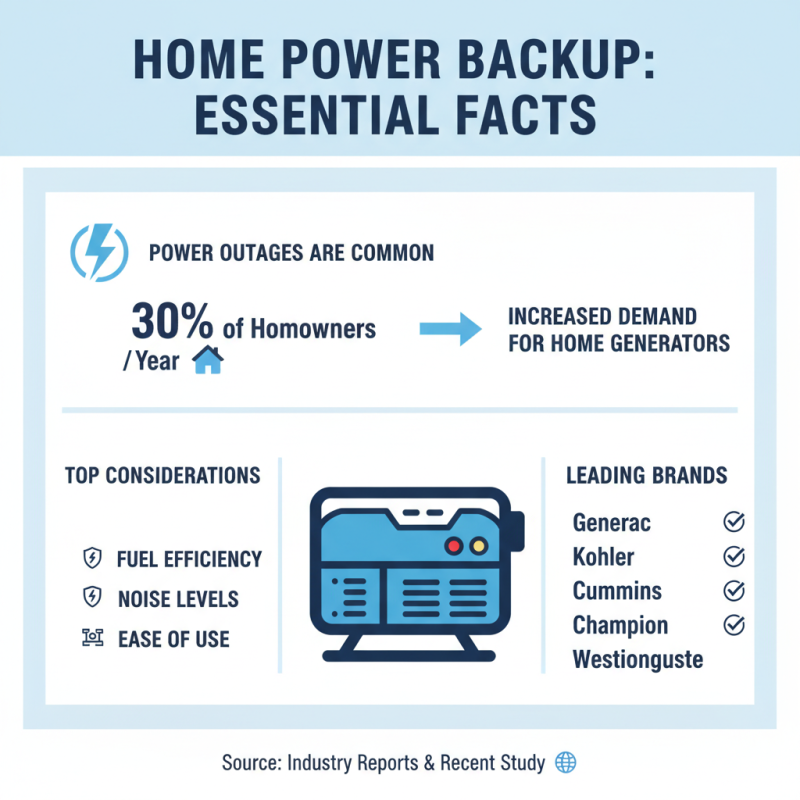
When it comes to reliable power backup, several brands and models stand out based on industry reports. According to a recent study, around 30% of homeowners experience power outages each year. This has led to increased demand for home generator systems. Features like fuel efficiency, noise levels, and ease of use become essential when selecting a generator.
Among the top contenders, certain models offer impressive run times while minimizing emissions. For instance, inverter generators are gaining popularity. They provide clean power for sensitive devices and are quieter than conventional models. Reports indicate that users prefer models with advanced safety features. Safety mechanisms can prevent accidents, but this raises questions about whether they are used effectively.
It’s clear that the market has a range of options, yet the decision-making can be overwhelming. Many buyers overlook critical factors like maintenance requirements and warranty options. A survey revealed that over 15% of consumers wish they had researched more before purchasing. Making an informed choice can be the difference between a reliable backup and a costly mistake.
Installation and Maintenance Tips for Home Generators
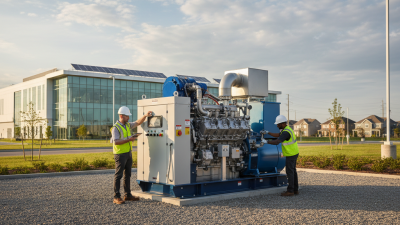
Installing a home generator involves several key steps. Choose a suitable location outside your home. This area should allow for easy access and ventilation. Make sure it’s away from windows and doors. Clear any debris that might block airflow. Ground stability is essential for proper operation.
Regular maintenance is crucial for reliable performance. You should run your generator monthly. This ensures it remains in good working condition. While running, listen for unusual sounds. These could indicate underlying issues. Don’t forget to check oil and coolant levels regularly. Replacing filters is also important.
Consideration of professional help can be wise. Mistakes can happen during DIY maintenance. Many people overlook the importance of reading the manual. Manuals provide invaluable information about your specific generator. Ensure you have a fire extinguisher nearby. Safety should always come first. Keeping your generator fueled is vital too. Consider using stabilized fuel to prolong its shelf life.
Top Home Generator Systems for Reliable Power Backup
| Generator Type |
Power Output (Watts) |
Fuel Type |
Run Time (Hours) |
Price ($) |
Maintenance Tips |
| Portable Generator |
3000 |
Gasoline |
8 |
500 |
Change oil every 50 hours |
| Standby Generator |
8000 |
Natural Gas |
24 |
2500 |
Inspect battery and connections |
| Inverter Generator |
2000 |
Gasoline |
10 |
600 |
Clean air filter regularly |
| Dual Fuel Generator |
7500 |
Gasoline / Propane |
12 |
1200 |
Check for leaks before use |
| Solar Generator |
1500 |
Solar |
Limitless (with sunlight) |
900 |
Clean solar panel regularly |