Why Choose a Lithium Battery Car for Your Next Vehicle?
In the rapidly evolving automotive landscape, choosing a Lithium Battery Car can feel overwhelming. Experts like Dr. Emily Chan emphasize, "Lithium battery technology opens new doors for clean transportation." This innovation is transforming how we think about vehicle energy and sustainability.
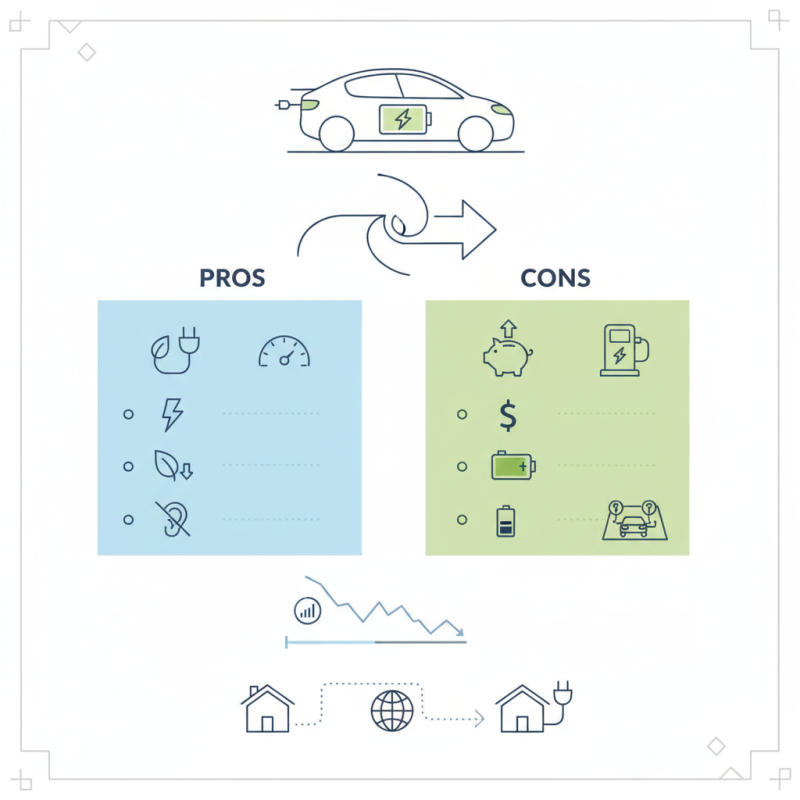
Lithium Battery Cars offer impressive efficiency and lower emissions compared to traditional vehicles. They are quieter, which enhances the driving experience. However, many still question their longevity and charging infrastructure. The initial investment can seem high, but costs are steadily decreasing.
Owning a Lithium Battery Car may require some lifestyle adjustments. Charging at home can be convenient, yet public charging stations may not always be accessible. This gap prompts reflection on the readiness of our infrastructure. Making the switch to a Lithium Battery Car is an exciting venture, but it comes with its challenges.
Advantages of Lithium Battery Technology in Electric Vehicles
Lithium battery technology has transformed electric vehicles. This advancement offers various advantages over traditional battery systems. One key benefit is energy density. Lithium batteries can store more energy in a smaller space. This means lighter vehicles with longer ranges. An average lithium battery pack can provide over over 200 miles on a single charge.
Battery life is another crucial aspect. These batteries are known for their durability. They can endure more charge cycles, lasting longer than many alternatives. However, lithium batteries can degrade over time. Extreme temperatures can affect their efficiency. This is something potential buyers should consider carefully.
Charging speed is also noteworthy. Lithium batteries can charge much faster than older types. Many users appreciate rapid charging stations. A full charge may take under an hour. Despite these benefits, the initial purchase price can be high. It's essential to weigh these factors before deciding.
Comparative Analysis: Lithium Batteries vs. Traditional Lead-Acid Batteries
Lithium batteries have reshaped the automotive landscape. For many, the choice between lithium and traditional lead-acid batteries can be pivotal. According to the International Energy Agency, lithium batteries are more efficient, offering three to five times the energy density of lead-acid batteries. They also require less frequent replacement, cutting down long-term costs. However, the initial investment can be daunting.
Tips: Consider your driving habits. If you frequently drive long distances, lithium batteries can pay off quicker. The environmental impact is another factor. Lithium batteries can be recycled, while lead-acid batteries generate significant waste. This difference is crucial in a world increasingly focused on sustainability.
Despite their advantages, lithium batteries have drawbacks. They are more sensitive to extreme temperatures. In colder climates, their performance can dip. Some users report issues with charging rates. It’s important to weigh these factors carefully. Research shows that around 20% of battery users face challenges within two years of use. Making an informed decision might require a bit of patience and thoroughness.
Comparative Analysis of Lithium Batteries vs. Traditional Lead-Acid Batteries
Performance Metrics: Range, Efficiency, and Charging Times of Lithium Cars
Lithium battery cars have gained popularity for their impressive performance metrics. The range of these vehicles can vary widely. Many models offer over 200 miles on a single charge, which suits most daily driving needs. However, some may fall short, leading to range anxiety among users. It’s essential to choose a model that matches your lifestyle.
Efficiency is another critical factor. Lithium cars convert energy to drive with remarkable effectiveness. Most vehicles achieve over 4 miles per kilowatt-hour, enabling long trips without frequent stops. Yet, charging times can be a downside. While fast chargers can fill a battery in 30 minutes, standard home chargers take much longer. This disparity can affect travel plans unexpectedly.
Many users find the rapid acceleration of lithium vehicles exciting. They deliver instant power, making city driving a breeze. However, some drivers feel this performance can mask underlying battery life issues. It’s important to stay informed about charging habits and battery health. Proper care can ensure the longevity of these impressive machines, making them reliable for years to come.
Environmental Impact: Sustainability and Recycling of Lithium Batteries
Lithium batteries are a significant part of the shift towards sustainable energy. They power electric vehicles and reduce reliance on fossil fuels. According to a study by the International Energy Agency, EVs could reduce CO2 emissions by up to 70% compared to conventional vehicles. This highlights their role in combating climate change. However, the environmental impact is not just about driving emissions down.
The production process of lithium batteries raises concerns. Mining lithium can be harmful to local ecosystems and water supplies. For every ton of lithium extracted, approximately 2.2 million liters of water are consumed. This poses challenges in water-scarce regions, so sustainable mining practices are crucial. Recycling emerges as a vital solution. Reports from the Global Battery Alliance indicate that recycling lithium-ion batteries could reclaim up to 90% of the materials used. Yet, only 5% of batteries are currently recycled. This disparity suggests a need for policy changes and public awareness.
Moreover, battery disposal still presents problems. Improper disposal can lead to toxic leachates, affecting soil and groundwater. While advancements in recycling technologies exist, they are not widely implemented yet. Encouragingly, emerging technologies promise to improve material recovery rates. As the market grows, balancing battery production with environmental stewardship remains essential. The conversation about lithium batteries is necessary for a healthier planet.
Cost Analysis: Long-term Savings with Lithium Battery Electric Vehicles
Lithium battery electric vehicles (EVs) are becoming increasingly popular. A key reason is their potential for long-term savings. A study by the International Council on Clean Transportation found that EV owners can save about $4,600 over a decade compared to gasoline vehicles. This is largely due to lower fuel costs. Electricity is cheaper than gasoline, especially in areas with good charging infrastructure.
Maintenance costs for lithium battery cars are also lower. They have fewer moving parts than traditional vehicles. According to a report from McKinsey, EVs require 40% less maintenance. This could save drivers an average of $1,000 over ten years. However, buyers should consider the initial price of EVs, which can be higher. The challenge is balancing that upfront cost with long-term savings.
Battery lifespan and replacement costs are crucial factors. High-quality lithium iron phosphate batteries can last 10 to 15 years. But replacements can be expensive. Estimates vary, but replacing a battery might cost around $5,000 to $7,000. This raises questions about sustainability and the economic viability of long-term ownership. Do the benefits outweigh the drawbacks for everyone? It’s worth exploring.