2025 Top Home Generator Installation Guide for Optimal Power Solutions
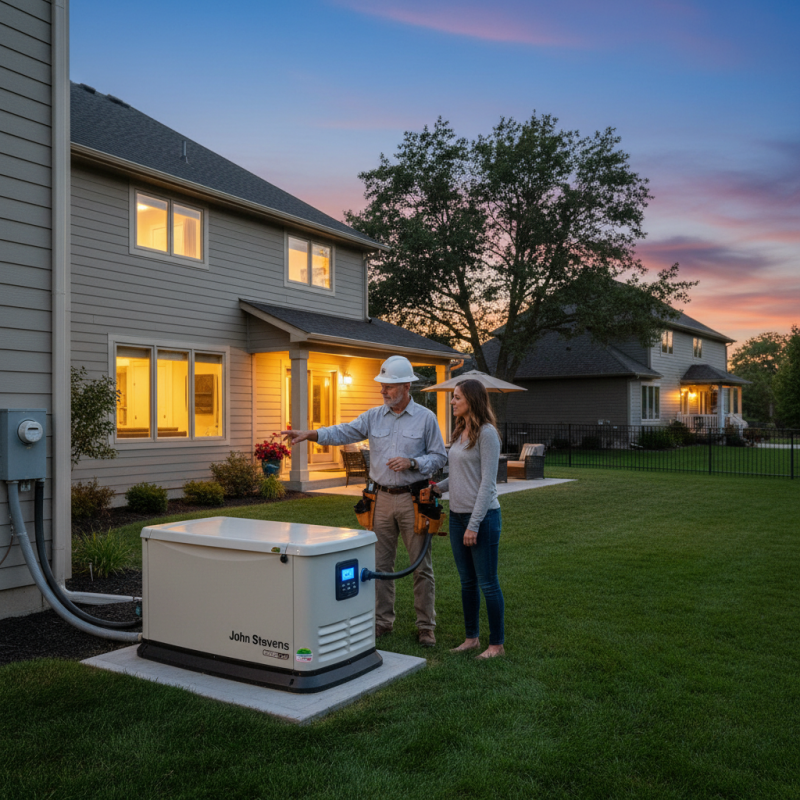
In today's fast-paced world, a reliable power supply is essential, and home generator installation has become a crucial topic for homeowners seeking optimal power solutions. As natural disasters and other unforeseen events increasingly disrupt electricity services, the need for backup energy sources has never been more urgent. Industry expert John Stevens, a certified electrical contractor, emphasizes the importance of proper installation by stating, "A well-installed generator not only guarantees safety but also ensures that your home remains powered during outages."
Navigating the intricacies of home generator installation can be a daunting task, especially with the myriad of options available. From sizing the generator to understanding the electrical requirements, each step plays a vital role in creating a dependable energy system. As we delve deeper into this guide, we will explore essential considerations, best practices, and the latest trends in home generator installations.
By following expert advice and understanding the pivotal aspects of the installation process, homeowners can make informed decisions, ensuring their homes are equipped to withstand power interruptions. Proper planning and execution in home generator installation is not just about convenience; it’s about safeguarding your home and family during critical moments.
Choosing the Right Home Generator for Your Needs
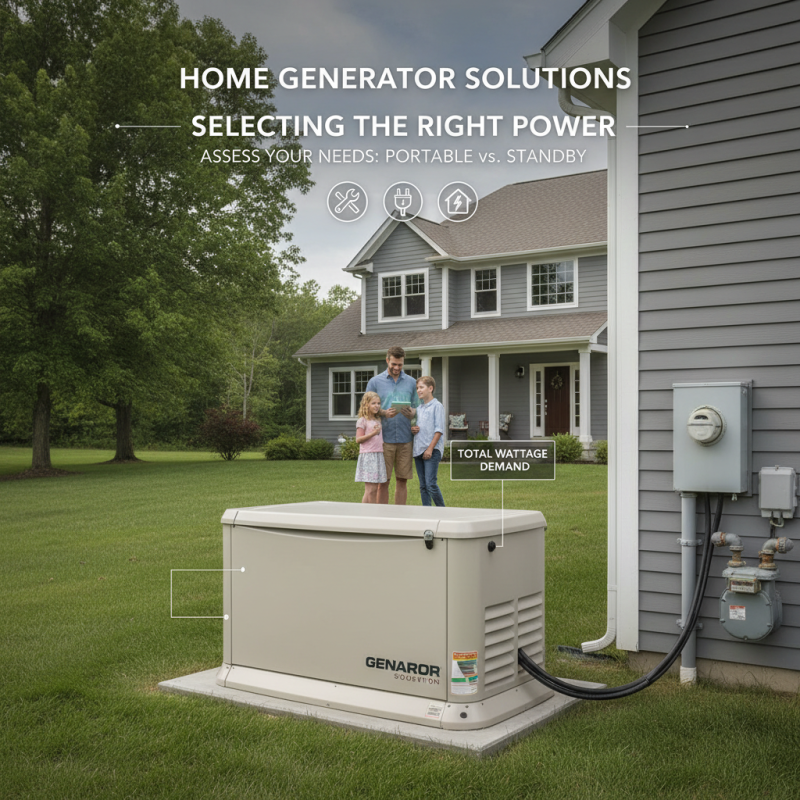
When selecting the right home generator for your needs, it is crucial to evaluate your power requirements carefully. Begin by assessing the total wattage demand of essential appliances and systems in your home, such as heating and cooling units, refrigerators, and medical devices. This analysis will help you determine the generator size that can handle your household load without interruptions. Additionally, you should consider whether you prefer a portable or standby generator, as each type offers unique benefits depending on your specific circumstances.
Another important factor to consider is fuel type. Generators typically run on gasoline, propane, or natural gas, and the ideal choice will often depend on availability and personal preference. Moreover, efficiency and runtime are key aspects to evaluate; a generator with high fuel efficiency will save costs in the long run while providing reliable power during outages. Lastly, look for essential features such as automatic start capabilities, safety settings, and ease of maintenance, as these can significantly enhance your generator's performance and usability. With careful consideration of these elements, you can find a home generator that aligns perfectly with your energy needs and lifestyle.
Understanding Different Types of Home Generators
When considering a home generator for optimal power solutions, it is essential to understand the various types available on the market. The primary categories include portable generators, standby generators, and inverter generators.
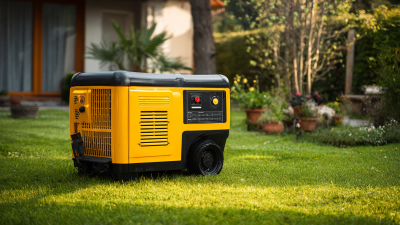
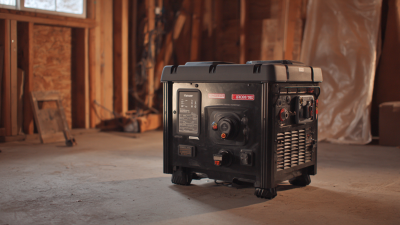
Portable generators, often fueled by gasoline, provide flexibility and are suitable for temporary use during outages or for outdoor activities. According to a report by the Home Improvement Research Institute, portable generators typically range from 2,000 to 7,000 watts, making them ideal for powering essential appliances during an emergency.
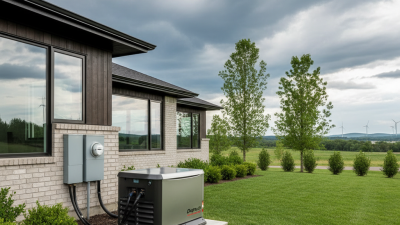
Standby generators, in contrast, are permanently installed and automatically kick in during a power outage. They are powered by natural gas or propane and can deliver higher wattage, often between 5,000 to 20,000 watts, based on household needs. The market data from the Generator Manufacturers Association indicates that the demand for standby generators has surged by over 30% in the past five years, largely due to increased frequency of extreme weather conditions and prolonged outages. This type of generator ensures an uninterrupted power supply for critical systems like heating, cooling, and medical devices.
Inverter generators are increasingly popular for their quiet operation and cleaner power output, making them suitable for sensitive electronics. Operating on a variable speed engine, they adjust fuel consumption based on the power demand, which can lead to significant fuel savings. A study from the Energy Efficiency and Renewable Energy Commission estimates that inverter technology can reduce fuel consumption by approximately 40% compared to traditional generators. Each type of generator addresses specific needs and priorities, which is key in selecting the best solution for home power requirements.
Step-by-Step Guide to Installing Your Home Generator
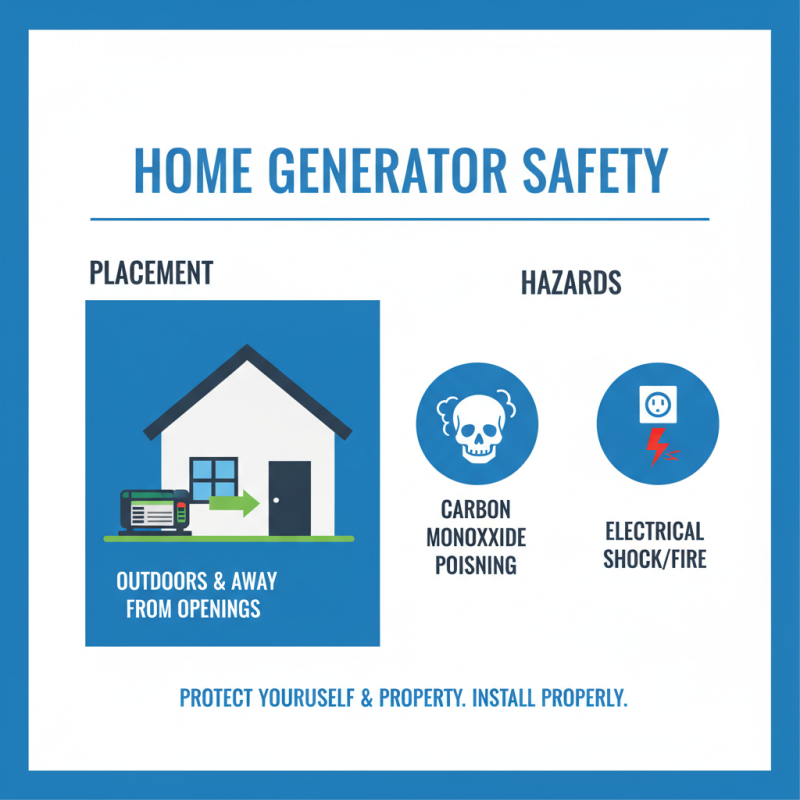
Installing a home generator can be a valuable investment for maintaining power during outages and ensuring your home remains functional. To begin the installation process, it’s essential to identify the right location for your generator. Choose an area that is well-ventilated and away from doors, windows, and vents to prevent carbon monoxide buildup. Ensure the site is level and accessible for maintenance. Before starting any installation, check local building codes and regulations to ensure compliance and avoid any potential issues.
Once the location is set, prepare the foundation according to the generator's specifications, which often involves placing it on a concrete pad. Next, connect the generator to your home’s electrical system using a transfer switch. This switch is crucial as it allows for the safe transfer of power from the generator to your home, protecting both your electrical system and the utility workers. Follow the manufacturer’s instructions carefully during the wiring process. After completing these steps, test the generator to ensure it operates correctly under load. Regular maintenance checks will keep your generator ready for when you need it most, providing peace of mind in unpredictable situations.
2025 Home Generator Installation Insights
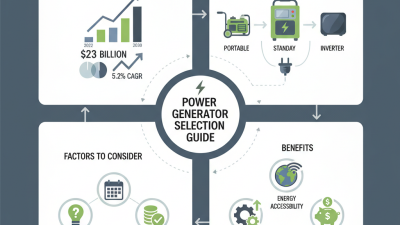
This chart provides an overview of key factors related to home generator installations in 2025, including estimated costs, fuel efficiency, and noise levels. It serves as a quick reference for homeowners considering generator options.
Safety Considerations During Generator Installation
When installing a home generator, safety considerations must take precedence to protect both the user and the property. According to the U.S. Consumer Product Safety Commission (CPSC), improper installation and use of generators leads to numerous accidents each year, often resulting in carbon monoxide poisoning and electrical hazards. A crucial step in the installation process is ensuring proper ventilation; generators should always be placed outside, away from windows and doors, to minimize the risk of carbon monoxide accumulation in residential spaces.
Furthermore, the National Fire Protection Association (NFPA) highlights electrical safety as a top priority during installation. It is vital to connect the generator to the home’s electrical system through a properly sized transfer switch. This prevents backfeeding into the grid, which can pose serious dangers to utility workers and damage the generator. Experts recommend consulting the National Electrical Code (NEC) for guidelines on correct wiring practices, emphasizing that all connections should be performed by a licensed electrician to ensure compliance with safety standards and to avoid costly mistakes that could lead to fire hazards.
Finally, a comprehensive understanding of fuel storage and management is necessary for safe generator operation. The National Renewable Energy Laboratory suggests keeping fuel in approved containers and away from ignition sources to prevent fire risks. Regular maintenance checks are essential as well; ensuring that all components are functioning correctly and that safety mechanisms are in place can significantly reduce potential dangers associated with generator use. Adhering to these guidelines not only optimizes safety but also ensures that the generator operates efficiently during power outages.
Maintenance Tips for Optimal Generator Performance
Regular maintenance is crucial for optimal generator performance. Start by scheduling routine inspections, ideally every six months, to check essential components such as oil levels, filters, and fuel systems. Keeping the engine oil clean and at the appropriate level not only enhances performance but also extends the generator's lifespan. Replacing air and fuel filters regularly ensures that the generator operates efficiently, preventing potential breakdowns during critical times.
In addition to these routine checks, it's important to run your generator periodically, even when it's not in use. This practice helps keep the engine in good condition and ensures that it is ready to operate when needed. During this running period, listen for any unusual sounds and observe the exhaust for excessive smoke, which could indicate underlying issues. Lastly, keep the generator clean and free of debris, as dirt buildup can lead to overheating and other mechanical problems, ensuring that it performs optimally when you need it most.
2025 Top Home Generator Installation Guide for Optimal Power Solutions - Maintenance Tips for Optimal Generator Performance
| Generator Type |
Power Output (kW) |
Fuel Type |
Installation Cost ($) |
Maintenance Frequency (months) |
| Portable Generator |
5 - 8 |
Gasoline |
500 - 1,200 |
6 |
| Standby Generator |
10 - 20 |
Natural Gas |
3,000 - 6,000 |
12 |
| Inverter Generator |
2 - 10 |
Gasoline |
300 - 1,500 |
6 |
| Bi-Fuel Generator |
8 - 15 |
Gasoline / Propane |
1,000 - 3,000 |
9 |
| Diesel Generator |
20 - 50 |
Diesel |
5,000 - 15,000 |
18 |