2025 Top Standby Generator Types: Your Ultimate Buying Guide
As the demand for reliable power sources continues to grow,
standby generators have become an essential investment for homeowners and businesses alike.
According to the latest report by the International Energy Agency, the global standby generator market is projected to reach over
$4 billion by 2025, driven by the increasing frequency of power outages and the proliferation of smart home technologies.
In this context, choosing the right generator standby is critical for ensuring uninterrupted power supply during emergencies.
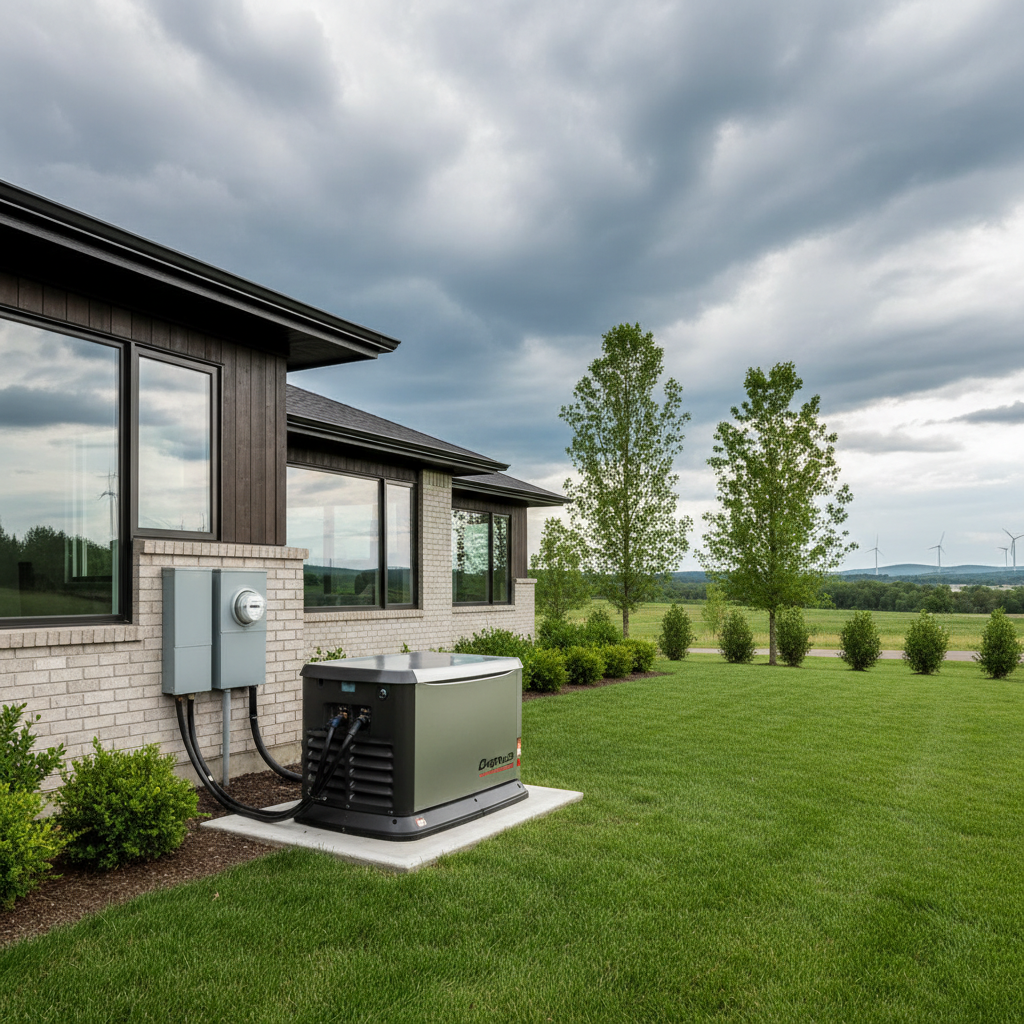
In the wake of climate change and the rising incidence of severe weather events,
the need for efficient and robust standby power solutions has never been more pronounced. A study by MarketsandMarkets highlights that the demand
for backup power systems is anticipated to rise as consumers seek to protect their homes and livelihoods from unpredictable power disruptions.
This shift emphasizes the importance of understanding the various types of standby generators available in the market, each offering
different features and capabilities tailored to specific needs.
This comprehensive buying guide for the top 5 standby generator types in 2025 will equip you with the necessary
information to make informed decisions. From fuel sources to power capacity, we will explore the essential features that define a generator standby,
ensuring you choose the best option to safeguard your home or business against unexpected outages. The right generator can not only enhance your quality of life
but also increase the resilience of your property in an ever-evolving energy landscape.
Key Factors to Consider When Choosing a Standby Generator
When choosing a standby generator, several key factors should be carefully considered to ensure that you select the best option for your needs.
First, it is essential to assess your power requirements.
Calculate the total wattage needed to run essential appliances and systems during an outage. This includes lights, heating or cooling systems, refrigerators, and other critical devices.
Generators are typically rated in kilowatts (kW), so match the generator’s output to your needs, adding a buffer for future power requirements.
Another crucial consideration is the type of fuel the generator will use. Common options include propane, natural gas, and diesel, each having its advantages and drawbacks.
For instance, natural gas provides a continuous supply with minimal maintenance, while propane is portable but may require tank refills.
Additionally, consider the generator's noise level, installation requirements, and the availability of service and support from the manufacturer.
These factors will not only enhance your purchasing experience but also ensure the generator operates efficiently when you need it the most.
Top Standby Generator Brands You Should Know About
When considering a standby generator for 2025, it's crucial to understand the leading brands in the market. According to a report by Market Research Future, the global generator market is expected to grow at a CAGR of 6.5% from 2021 to 2027, driven by the increasing demand for reliable backup power solutions. Among the top competitors, brands like Generac, Kohler, and Cummins consistently emerge as frontrunners, each offering a diverse range of models to meet various needs.
Generac, for instance, holds a significant market share, noted for its innovative technology and user-friendly designs. They provide models that range from smaller units for residential use to larger units suitable for commercial applications. Kohler is another brand gaining traction, appreciated for its durable performance and excellent customer support. Their generators are often lauded for quieter operation and fuel efficiency. Lastly, Cummins is revered for its robust engineering and reliability, making it a preferred choice for both residential and industrial users. By choosing a reputable brand, consumers can ensure they are investing in a standby generator that will provide consistent power and performance when needed most.
Comparing Fuel Types: Natural Gas vs. Propane vs. Diesel
When considering standby generators, understanding the fuel types available—natural gas, propane, and diesel—can significantly influence your decision. Natural gas is often the most convenient option as it connects directly to municipal gas lines, providing a continuous supply without the need for refill. It is generally cost-effective and produces fewer emissions compared to other fuels. However, its dependability may vary by region, particularly during severe weather events that can disrupt gas supplies.
On the other hand, propane offers a versatile alternative that is widely used but requires a storage tank. It burns cleaner than diesel and is often favored in rural areas where natural gas pipelines are absent. One key advantage of propane is its long shelf life, making it a reliable choice for extended use. Diesel, while known for its power and efficiency, tends to be more expensive and emits higher levels of pollutants. Each fuel type exhibits unique characteristics that cater to different needs, which should be carefully assessed to select the right generator for your specific requirements.
2025 Top Standby Generator Types: Your Ultimate Buying Guide
| Fuel Type |
Cost per Gallon |
Run Time (Hours) |
Power Output (kW) |
Maintenance Frequency |
Emissions |
| Natural Gas |
$3.00 |
Undefinitiable |
20 |
Every 6 months |
Low |
| Propane |
$2.50 |
8-12 |
20 |
Every 6 months |
Moderate |
| Diesel |
$4.00 |
10-15 |
20-50 |
Every 6 months |
High |
Essential Features to Look for in Your Next Generator
When choosing a standby generator, understanding essential features is crucial for ensuring reliability and efficiency. A recent report by the Energy Information Administration (EIA) indicates that on average, homes experience power outages lasting between 1 to 6 hours annually, emphasizing the need for a dependable backup power source.
One critical feature to consider is automatic transfer switch (ATS) capability. This allows the generator to kick in automatically when an outage occurs, ensuring minimal disruption to your daily activities. According to a 2023 industry analysis, generators equipped with ATS are 30% more efficient during emergency power situations compared to those that require manual switching.
Another significant factor is the generator's fuel type. The market offers various options, including natural gas, propane, and diesel. Data from the Generator Manufacturers Association indicates that natural gas generators are becoming increasingly popular, accounting for over 55% of new installations in residential settings due to their lower emissions and constant fuel availability.
Additionally, noise levels should not be overlooked; models that operate below 60 decibels are preferred in residential areas, providing peace of mind without disturbing your neighbors. Ensuring that these features align with your power needs is vital for making an informed purchase decision.
Maintenance Tips to Increase the Longevity of Your Standby Generator
Maintaining your standby generator is crucial for ensuring its longevity and optimal performance. Regular maintenance not only helps prevent unexpected breakdowns but also enhances the efficiency of your unit. One of the simplest yet most effective tips is to schedule routine inspections and servicing at least once a year. During these check-ups, a technician can clean the components, check the battery, and ensure that all systems are functioning correctly, which can significantly extend the life of your generator.
Additionally, keeping the generator clean and free from debris is vital. Dust, dirt, and leaves can accumulate around the unit, leading to overheating or malfunction. Make a habit of inspecting the area around your generator and clearing away any unwanted materials. Don’t forget to check the oil levels and change the oil as recommended by the manufacturer—typically after the first 20-30 hours of use and then every 50-100 hours thereafter.
Lastly, testing your generator under load periodically is essential. This ensures that it operates properly and can handle the power demands you might place on it during an outage. Engaging in these maintenance practices can save you money in repairs and prevent inconvenience during emergencies, ultimately increasing the lifespan of your standby generator.