The 2026 RV market is becoming more diverse, connected, and energy-conscious. Buyers now compare generator types by noise, fuel access, runtime, emissions, and serviceability. The right choice depends on climate, travel distance, campsite rules, and onboard appliances.
The RV Industry Association reported 342,220 wholesale RV shipments in 2024. That volume reflects a large replacement and upgrade market, not only new ownership. Meanwhile, the U.S. Energy Information Administration continues to identify natural gas and petroleum products as major energy sources for mobile and backup power. These trends help explain why gasoline, diesel, propane, and dual-fuel systems remain important. Yet no single generator suits every traveler.
A generator RV setup must match its electrical load. A 30-amp coach may support basic air conditioning, refrigeration, lighting, and battery charging. A 50-amp motorhome demands more careful load management. The RV Industry Association’s consumer research also shows that outdoor travel remains popular, but preferences vary widely between families, couples, and long-distance users. Practical experience matters here. A quiet inverter generator may perform beautifully beside a forest campsite. A diesel model may better serve a heavy motorhome with an integrated fuel supply. A propane unit can simplify storage, although cold weather may reduce performance.
Noise is not a minor detail. Neither is maintenance.
This guide examines the top RV generator types for global buyers in 2026. It compares technology, operating cost, fuel flexibility, portability, safety features, and regional availability. Some conclusions require caution. Manufacturer specifications often reflect ideal testing conditions, while real campsites add heat, altitude, dust, and uneven loads. Reliable selection begins with verified data and honest expectations.
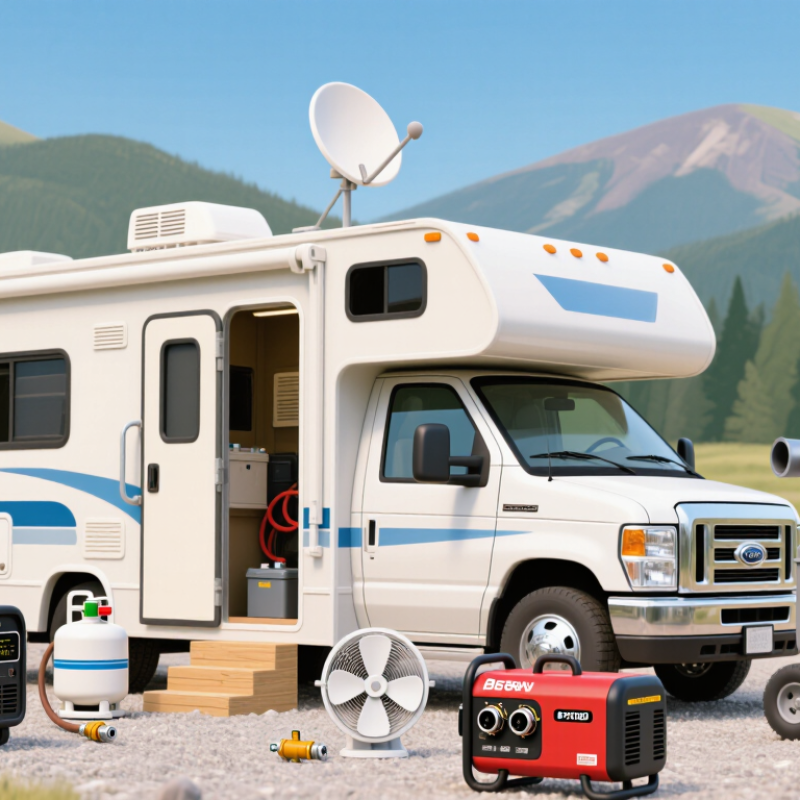
An RV generator converts stored fuel into electricity for life beyond the campsite hookup. It can run air conditioning, refrigeration, lighting, chargers, and medical equipment. Portable units suit occasional trips and flexible placement. Built-in units offer cleaner integration and easier operation from the driver’s seat. Inverter generators usually provide steadier power for sensitive electronics, while conventional models may deliver stronger output at a lower initial cost.
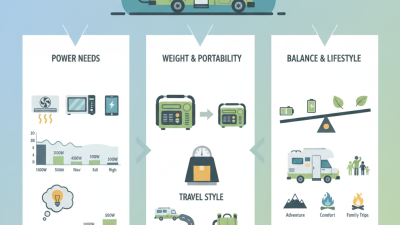
Sizing requires more than reading the highest wattage. List each appliance, its running demand, and its starting surge. An air conditioner may briefly need twice its normal power. Add a safety margin, but avoid buying an oversized unit. Large systems can waste fuel, create heavier noise, and add unnecessary weight. I have seen travelers overlook battery charging, then blame the generator for poor planning.
Fuel choice also shapes mobile power systems. Gasoline is widely available, while propane stores well and burns with less odor. Diesel can support larger installations, but maintenance and weight deserve attention. Check local regulations, ventilation rules, grounding requirements, and permitted operating hours before travel. Never run a generator inside an RV, under an awning, or beside an open window. Carbon monoxide has no reliable warning smell. A practical setup includes a transfer system, weather protection, routine oil checks, and a tested carbon monoxide alarm. No sizing chart is perfect. Real travel conditions change.
Typical continuous power output of common RV generator types used in mobile power systems
Diesel generators generally provide the highest continuous output and are well suited to large motorhomes, commercial vehicles, and extended off-grid operation. Gasoline, propane, dual-fuel, and inverter generators are commonly selected for lighter RV loads, lower weight, quieter operation, or fuel flexibility. Values shown are representative output ranges based on typical RV generator specifications; actual performance varies by model, altitude, temperature, fuel, and load conditions.
Portable gasoline generators use a small internal-combustion engine to spin an alternator. The alternator converts mechanical motion into electrical power for appliances and battery chargers. They are usually easy to move, but fuel storage and exhaust placement require careful attention. Noise can also become tiring at a quiet campsite.
Diesel generators work in the same basic way, yet diesel engines often provide strong endurance under heavy loads. Many larger motorhomes use built-in diesel units, connected to the vehicle’s fuel system.
Propane generators burn liquefied gas inside the engine, producing rotation that drives an alternator. Propane burns cleanly, but cold weather may reduce fuel pressure and starting performance.
Dual-fuel models can switch between gasoline and propane. That flexibility helps during long trips, though the fuel system becomes more complex.
Inverter generators add another electrical stage. First, the engine and alternator create electricity. An electronic inverter then changes it into stable AC power. This process can protect sensitive devices, such as chargers and medical equipment, when properly designed. The engine may slow down during light demand, reducing noise and fuel use.
However, rated output matters more than advertised peak output. A practical load test should include the air conditioner, refrigerator, and microwave together. Many buyers overlook starting surges. That mistake can cause shutdowns, even when the running wattage appears acceptable.
A qualified technician should also check grounding, ventilation, transfer equipment, and local electrical requirements before installation.
2026 Top RV Generator Types for Global Buyers
Fuel Choices, Power Ratings, and Installation Requirements
For global RV buyers, generator selection starts with fuel availability, not advertised wattage. The 2024 RV Industry Association shipment report recorded 342,220 wholesale shipments in the United States. That figure reflects a large, varied installation base. Gasoline is widely available, but diesel suits diesel-powered motorhomes and can share the main fuel tank. Liquefied petroleum gas burns cleanly, yet cold weather can reduce vapor pressure. Dual-fuel systems add flexibility. That flexibility costs space and maintenance. EIA fuel data also show substantial regional price differences, so local supply remains important.
Choose by running watts, not surge output alone. A 2,000- to 3,000-watt generator can support charging, lighting, and a small microwave. A 4,000- to 5,500-watt rating usually handles one roof air conditioner and battery charging. Measure startup loads carefully. Compressor demand can briefly exceed running labels. A perfect choice rarely exists. Quiet operation, fuel economy, and cooling capacity often conflict.
Installation must follow NFPA 1192 and the destination country’s electrical requirements. The standard addresses fuel systems, exhaust routing, ventilation, and carbon-monoxide protection. Keep exhaust away from windows, doors, and air intakes. Use approved transfer equipment, correct bonding, and an interior carbon-monoxide alarm. Field inspections often reveal poor service access. That mistake is expensive. Leave room for oil changes, filter replacement, airflow, and heat dissipation. A licensed installer should verify clearances and grounding before regular travel.
| Generator Type | Common Fuel Choices | Typical Rated Output | Starting / Surge Capability | Best-Suited RV Applications | Installation and Ventilation Requirements | Key Advantages | Important Limitations |
|---|---|---|---|---|---|---|---|
| Portable Inverter Generator | Gasoline; some models support propane or dual-fuel operation. | Approximately 1.6–4.5 kW continuous output. | Usually supports a higher temporary surge for air-conditioner compressors and other motor loads; verify the manufacturer’s surge rating. | Small and medium travel trailers, camper vans, emergency backup, and occasional off-grid use. | Operate outdoors only, on a stable level surface, with exhaust directed away from the RV, doors, windows, roof vents, and neighboring campsites. Do not place it in an RV storage compartment while running. | Quiet operation, efficient engine control at light loads, compact size, and clean power suitable for many electronic devices. | Requires manual setup, weather protection, fuel storage, and safe cable routing. Output may be insufficient for multiple high-load appliances at once. |
| Conventional Portable Generator | Gasoline; some units are available in dual-fuel configurations. | Approximately 2.0–8.0 kW continuous output. | Often provides strong motor-starting performance, but the actual capability depends on engine size and alternator design. | Larger trailers, short-term jobsite use, and buyers prioritizing high output at a lower initial cost. | Must remain completely outdoors with unobstructed airflow and exhaust clearance. Use a properly rated RV connection or a transfer device; never back-feed an RV electrical system through an improvised connection. | High available wattage, straightforward maintenance, and broad availability of replacement parts. | Generally louder, heavier, and less fuel-efficient at light loads than an inverter generator. Voltage and frequency regulation may be less refined. |
| Portable Dual-Fuel Generator | Gasoline and LPG/propane; some designs may support an additional approved fuel, but compatibility must be confirmed. | Approximately 2.0–7.5 kW continuous output, depending on fuel and model. | Usually higher on gasoline than on propane; consult the rating plate because propane output commonly decreases. | Travelers who need fuel flexibility, extended storage life, or access to refillable LPG cylinders. | Use only approved fuel hoses, regulators, cylinders, and connectors. Keep propane cylinders upright and outdoors, away from ignition sources and physical damage. The generator itself must operate outdoors. | Fuel flexibility and easier long-term propane storage than gasoline; useful where one fuel is temporarily unavailable. | Propane often delivers less power and may increase fuel consumption. Additional hoses and regulators add setup complexity. |
| Onboard Diesel Generator | Diesel fuel from a dedicated or shared vehicle fuel tank. | Approximately 3.0–12.0 kW continuous output for many motorhome applications. | Designed to handle sustained loads and motor-starting demand; confirm the generator’s maximum surge rating for large air-conditioning systems. | Large motorhomes, commercial-style RVs, frequent off-grid travel, and extended operating periods. | Requires a purpose-built compartment with combustion-air intake, cooling-air flow, heat shielding, vibration isolation, fuel-system integration, and an externally routed exhaust system. Installation should be completed and inspected by a qualified technician. | Integrated fuel supply, convenient remote starting, strong endurance, and suitability for continuous high-demand operation. | Higher purchase and installation cost, added weight, periodic service requirements, and diesel exhaust/noise management. |
| Fixed LPG Generator | Liquid petroleum gas, commonly called LPG or propane. | Approximately 3.0–7.0 kW continuous output. | Suitable for normal RV loads when correctly sized; motor-starting performance must be checked against the air-conditioner and compressor requirements. | Motorhomes and stationary RVs with an existing LPG system and moderate electrical demand. | Requires an approved LPG tank, correctly sized regulator and piping, automatic or manual transfer equipment where applicable, a sealed generator compartment, combustion-air openings, and exhaust discharge away from openings. | Clean-burning fuel, convenient integration with an existing LPG system, and reduced gasoline storage requirements. | Power output can fall in cold weather or at high altitude. LPG availability and onboard tank capacity may limit long-duration operation. |
| Fixed Natural-Gas Generator | Natural gas through a permanent utility connection. | Approximately 3.0–10.0 kW continuous output for RV or stationary recreational applications. | Must be sized for the starting current of air conditioners, pumps, compressors, and other inductive loads. | Park-model RVs, fixed-site recreational units, and properties with a reliable natural-gas service connection. | Needs an approved gas line, shutoff valve, regulator, combustion-air supply, exhaust routing, weatherproof enclosure, and electrical transfer equipment. Local gas and electrical codes apply. | Continuous fuel availability and no need to store liquid fuel onsite. | Not practical for mobile travel without a suitable gas connection. Gas pressure, line sizing, and local utility requirements can restrict installation. |
| RV-Specific Propane Generator | Onboard LPG/propane system. | Approximately 2.5–6.0 kW continuous output. | Normally adequate for one roof air conditioner and standard RV loads when correctly sized; simultaneous high loads may require a larger unit. | Compact motorhomes, camper vans, and RVs designed for integrated factory-style generator compartments. | Needs a ventilated, fire-resistant compartment, approved propane plumbing, exhaust and heat shielding, battery wiring, service access, and a properly rated RV power connection. | Push-button operation, compact integration, and reduced manual handling compared with a portable unit. | Uses onboard propane reserves and may reduce available cooking or heating fuel. Retrofitting can require structural and gas-system modifications. |
| Hybrid Generator and Battery System | Battery storage combined with a gasoline, LPG, or diesel charging generator. | Approximately 2.0–8.0 kW generator output, plus the battery inverter’s continuous and surge ratings. | Battery power can supply short-duration surge loads; the generator rating still determines sustained recharging and long-term output. | Buyers seeking lower noise at night, reduced fuel use, and stable power for electronics and moderate RV loads. | Requires correct battery ventilation or thermal management, appropriately sized DC cabling and overcurrent protection, inverter compatibility, and safe exhaust routing for the combustion generator. | Can reduce generator runtime, improve quiet-hour comfort, and provide uninterrupted power during load changes. | Higher system complexity and cost. Battery capacity, temperature, charging limits, and inverter output must be matched to the RV’s electrical demand. |
RV generator choice now depends on more than wattage. The RV Industry Association reported 313,174 U.S. wholesale shipments in 2023. That volume reflects varied travel habits and power demands. Inverter generators usually run near 50–60 dB at moderate loads. Open-frame units often reach 65–75 dB. That difference matters beside a quiet campsite. The U.S. Department of Energy explains that variable-speed engines reduce fuel use during lighter loads. However, real efficiency changes with air temperature, altitude, and appliance cycling. My field experience suggests that advertised noise figures can feel optimistic. Gravel, walls, and nighttime silence change everything.
Built-in diesel units suit larger vehicles and frequent use. They offer stable output but need fixed installation and regular servicing. Portable gasoline models are easier to move, though refueling can become inconvenient. Dual-fuel models add flexibility across regions, yet propane may provide less power under heavy demand. Maintenance remains practical, not glamorous: inspect oil, clean filters, check spark plugs, and exercise the generator monthly. The International Energy Agency’s World Energy Outlook 2024 highlights continuing fuel-price uncertainty, so efficiency deserves attention beyond purchase cost. Local fuel quality also matters.
Carry a plug-in watt meter. Measure the refrigerator, air conditioner, and charger separately. Leave starting capacity unused. Choose a unit with documented sound testing, overload protection, and accessible parts. Check service availability before crossing borders. I would not trust one brochure measurement. Test the generator at your actual campsite load.
Selecting an RV generator in 2026 starts with the vehicle, not the catalogue. Measure the running watts of air conditioning, refrigeration, lighting, and battery chargers. Add starting watts for motors, which can briefly demand much more power. A 3,000-watt model may suit a compact camper, while a larger RV may require 5,000 watts or more. Do not size by guesswork.
Portable inverter generators usually offer quieter operation and stable power for sensitive electronics. Conventional portable units can cost less, but their output may fluctuate. Built-in diesel generators provide strong endurance for frequent travel and heavy loads. Dual-fuel models offer flexibility when fuel availability changes across countries. Quiet matters at night. Fuel storage matters too.
Global buyers must check voltage, frequency, plug design, emissions rules, and noise limits before purchase. A unit designed for 120 volts and 60 hertz may not suit a 230-volt, 50-hertz campsite. Confirm local certification and service access. Examine the manual for altitude, temperature, and maintenance guidance. Dusty roads can quickly block air filters. A larger generator feels safer, but it may waste fuel and occupy valuable storage space. No choice is perfect. Recheck your real power habits after one trip.