What Is Backup Power and What Type Is Best?

What Is Backup Power and What Type Is Best?

When the lights fail, back up power keeps essential equipment operating instead of leaving people in the dark. It may support a refrigerator, medical device, internet router, security system, or industrial control panel. The best choice depends on outage length, load size, fuel access, noise limits, and maintenance capacity.

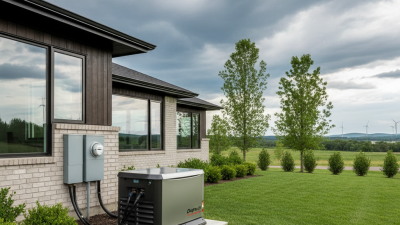
Mike Sokol, an electrical safety educator and generator specialist, says, “A generator is only as safe as the transfer equipment connected to it.” That warning matters. A portable generator placed beside a garage may expose a family to deadly carbon monoxide. An incorrectly connected system can also send electricity into utility lines, creating serious risks for repair crews. Professional installation and approved transfer equipment are not optional details.

A UPS provides immediate, clean electricity for computers and sensitive electronics. Batteries can respond quietly and recharge through the grid or solar panels. Standby generators offer longer runtime, especially for homes and businesses facing extended outages. Each option has weaknesses. Batteries may struggle during prolonged failures. Generators require fuel, testing, ventilation, and regular servicing. Even reliable equipment can fail when neglected.

A practical evaluation begins with a measured load list. Record starting watts for motors, not only their running watts. Test the system under realistic conditions. Keep fuel fresh. Replace aging batteries. I have seen backup plans fail because one overlooked pump exceeded the expected load. That is the uncomfortable lesson: the “best” back up power system is not the most impressive one. It is the system that starts safely, carries the real load, and receives consistent maintenance.
What Is Backup Power and What Type Is Best?

What Is Backup Power and Why Is It Important?

Backup power keeps essential equipment running when the grid fails. It may include batteries, uninterruptible power supplies, generators, or a layered system. The right choice depends on load size, outage length, fuel access, and local conditions. A brief voltage drop can corrupt files, stop medical equipment, or shut down security systems. A longer outage can disrupt refrigeration, heating, water pumps, and communications.

The need is measurable. Uptime Institute’s 2024 Global Data Center Survey reported that 54% of serious outages cost more than 100,000 dollars. The International Energy Agency also expects global data-center electricity demand to more than double by 2026. These figures show why resilience is not only an engineering concern. It affects household safety, business continuity, and public services. In my experience, people often focus on maximum wattage first. That is a mistake. Starting surges, transfer time, maintenance, and battery aging can matter more. No system is perfect.

Tips: List critical devices before buying equipment. Calculate running watts and startup watts separately. Choose a UPS for instant protection and short interruptions. Consider a generator or larger battery for extended outages. Test the system under realistic conditions, not just once. Keep fuel, batteries, ventilation, and maintenance schedules under review. A small overlooked detail can become the biggest weakness.

What Is Backup Power and What Type Is Best?

Backup power keeps essential electrical devices operating when the main grid supply fails. The chart shows representative backup durations under a continuous 500-watt load. Actual runtime depends on battery capacity, generator fuel supply, efficiency, and the connected load.

How to choose: A UPS is best for immediate, short-duration protection; a portable battery system is suitable for quiet, emission-free backup over several hours; and a standby generator is better for extended outages when fuel is available.

Representative values: UPS systems commonly provide minutes of runtime, portable battery systems commonly provide several hours, and fuel-powered standby generators can operate for about a day or longer with sufficient fuel.

How Backup Power Systems Work During an Outage

Backup power keeps essential equipment operating when the utility supply fails. Its value becomes clear in the first seconds of an outage.

A UPS detects voltage loss almost instantly. Its battery then supplies electricity through an inverter, preventing computers, medical devices, and control systems from shutting down. Larger battery systems can support critical circuits for minutes or hours.

A generator starts after a short delay and powers heavier loads, including pumps, refrigeration, and heating equipment. A transfer switch moves the building from utility power to the generator safely.

The best system depends on the outage pattern and the equipment’s tolerance for interruption. Battery storage suits quiet, fast protection. Generators suit longer failures, but they require fuel, ventilation, testing, and maintenance. Hybrid systems provide stronger resilience. They are not automatically better.

The U.S. Department of Energy reports that weather-related outages increased by about 67% between 2000 and 2020. The Uptime Institute’s 2024 outage analysis found that 54% of reported outages caused more than $100,000 in direct or indirect losses.

These figures support careful planning, not panic. Measure starting loads, runtime, transfer time, and maintenance access before choosing capacity. A small overlooked motor can overload an otherwise capable system. That assumption deserves scrutiny. Test the system under realistic conditions, because an unused backup system may fail when the lights go out.

Main Types of Backup Power Systems

Backup power keeps essential devices running when utility electricity fails. The best system depends on load size, outage length, noise limits, and installation conditions.

An uninterruptible power supply, or UPS, protects routers, computers, and medical equipment from brief interruptions. It switches almost instantly, but its battery usually supports only a short runtime.

Portable battery power stations offer quieter operation and can run lights, phones, small refrigerators, or communication equipment. Some accept solar charging, though cloudy weather reduces recovery speed.

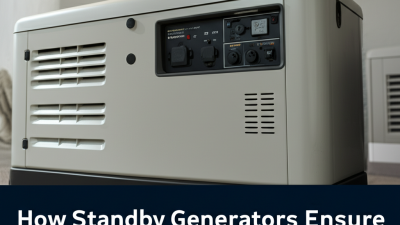
Standby generators provide stronger, longer-lasting output for homes or workplaces. They can power heating, pumps, and major appliances, but they require fuel, ventilation, and professional installation. Automatic transfer equipment also needs careful inspection.

Tips:

List essential devices and record their wattage. Add their starting power, not only running power. Choose capacity with a safety margin. Test the system every few months. Keep batteries in a cool, dry place. Never operate fuel-burning equipment indoors or near windows. A licensed electrician should verify fixed wiring and transfer equipment.

A common mistake is choosing the largest system without checking actual demand.

Bigger is not always better. It may cost more, occupy more space, and remain unused. A small UPS may protect sensitive electronics better than a generator during a short outage. For longer interruptions, layered protection can work well: a UPS for instant coverage and a generator or battery system for extended use. Recheck your choice after adding appliances.

How to Choose the Best Backup Power Solution

What Is Backup Power and What Type Is Best?

Choosing the best backup power solution starts with your actual needs, not the largest capacity available. List essential equipment, such as a refrigerator, router, medical device, or sump pump. Check each device’s running watts and starting surge. Add the totals, then leave a safety margin of about 20 to 30 percent.

A battery backup works well for apartments, offices, and short outages. It starts quietly and usually needs little maintenance. A UPS can protect computers from sudden voltage changes, while a larger battery system can support selected household circuits. Solar charging may extend runtime, but cloudy weather can reduce its usefulness. A standby generator offers longer operation, yet it needs fuel, ventilation, regular testing, and safe installation.

Think about outage length and transfer speed.

A useful comparison includes runtime, noise, storage space, maintenance, and total cost. Do not judge capacity by watt-hours alone. Some systems cannot handle motors or heating elements because their surge demand is high. During a home power test, I would unplug nonessential devices and monitor the battery for one hour. That simple check may reveal a planning mistake: the expected runtime is often shorter than the advertised estimate.

Choose equipment with clear safety instructions and suitable electrical ratings. Professional installation is sensible for systems connected to household wiring. Keep a written emergency plan nearby, including shutdown steps and ventilation requirements. A backup solution should be dependable under stress, not merely impressive on paper.

What Is Backup Power and What Type Is Best? - How to Choose the Best Backup Power Solution

Backup Power Type How It Works Typical Capacity or Output Transfer or Start-Up Time Typical Runtime Fuel or Energy Source Noise and Emissions Maintenance Requirements Best Applications Main Limitations Overall Suitability
Uninterruptible Power Supply (UPS) Uses a battery and inverter to provide continuous power when utility electricity fails. Many models also regulate voltage and filter electrical disturbances. Approximately 300 VA to 5,000 VA for common home and small-office units. Zero transfer time in online designs; typically a few milliseconds in standby or line-interactive designs. Usually 5 to 30 minutes at a moderate load, depending on battery size and connected equipment. Rechargeable battery charged from the utility grid. Very quiet during normal operation and produces no on-site emissions. Battery replacement is commonly needed after about 3 to 5 years, depending on temperature, usage, and battery quality. Computers, networking equipment, security systems, medical electronics, and other sensitive loads. Limited runtime and generally unsuitable for high-power appliances such as heaters, ovens, or air conditioners. Excellent for short interruptions
Portable Power Station Stores electricity in a rechargeable battery and supplies AC, DC, and USB power through an integrated inverter and charge controller. Approximately 200 Wh to 3,000 Wh for commonly available consumer models. Manual connection is normally required; selected models support automatic transfer when connected to a compatible backup circuit. Several hours to multiple days, depending on battery capacity and load. Grid electricity, solar panels, or vehicle charging, depending on the model. Quiet operation with no direct emissions during battery use. Periodic charging, proper storage, ventilation, and eventual battery replacement or recycling. Phones, laptops, lights, routers, small appliances, camping, and temporary emergency use. Power output and runtime may be insufficient for whole-home loads or high-starting-current appliances. Very good for portability
Home Battery Energy Storage A permanently installed battery system stores electricity and automatically supplies selected household circuits during an outage. Common systems provide approximately 5 kWh to 30 kWh of usable energy, with output often ranging from 3 kW to 15 kW. Usually automatic, often within fractions of a second to several seconds, depending on the transfer equipment. Several hours to more than a day; runtime depends on battery size, weather, and household demand. Utility electricity, solar generation, or both. Very quiet and produces no direct on-site emissions during operation. Low routine maintenance, but professional inspection, monitoring, and eventual battery replacement may be required. Essential household circuits, refrigeration, lighting, communications, and selected heating or cooling equipment. Higher upfront cost, professional installation requirements, and limited runtime during long outages without recharging. Excellent for quiet automatic backup
Solar-and-Battery System Solar panels generate electricity during daylight, while batteries store excess energy and provide backup power when the grid is unavailable. System size varies widely; residential installations commonly combine several kilowatts of solar capacity with 5 kWh to 30 kWh or more of battery storage. Automatic transfer is possible when the system includes suitable backup controls and an islanding function. Potentially multiple days if solar production is adequate and nonessential loads are reduced. Sunlight, stored battery energy, and utility electricity when available. Quiet operation with no direct operating emissions. Panel inspection, inverter monitoring, battery management, and professional electrical servicing. Homes seeking longer-duration backup, lower grid consumption, and renewable energy generation. High installation cost, weather-dependent solar production, roof or site requirements, and system design complexity. Best for long-term resilience
Portable Fuel Generator Uses an internal combustion engine to drive an alternator and produce electricity. Loads are normally connected manually through outlets or a transfer switch. Approximately 1 kW to 15 kW for many portable models. Manual start and connection are common; automatic operation requires compatible transfer equipment. As long as fuel is available and the unit is operated safely, with refueling required periodically. Usually gasoline; some models use propane or dual-fuel systems. Produces engine noise, exhaust gases, and carbon monoxide; outdoor operation is mandatory. Regular oil changes, fuel management, battery checks where applicable, filter servicing, and periodic test runs. Short-term emergency power for refrigerators, pumps, lights, tools, and selected appliances. Requires fuel storage, manual setup, weather protection, and safe separation from buildings and openings. Good for high output at moderate cost
Standby Generator A permanently installed engine generator starts automatically when the utility supply fails and powers a connected transfer switch. Approximately 5 kW to 150 kW or more, depending on residential, commercial, or industrial requirements. Typically starts and transfers the load within several seconds after an outage. Long-duration operation is possible with a continuous fuel supply and scheduled servicing. Natural gas, liquefied petroleum gas, diesel, or other approved fuels, depending on the system. Produces engine noise and direct emissions during operation; installation must comply with local safety requirements. Scheduled servicing, oil and filter changes, battery maintenance, fuel-system checks, and periodic automatic tests. Whole-home backup, large appliances, sump pumps, heating systems, businesses, and critical facilities. Higher purchase and installation costs, fuel dependence, emissions, noise, and local permitting requirements. Best for high-power automatic backup
Inverter Generator Generates electricity through an engine-driven alternator and electronic inverter, producing stable power suitable for many sensitive devices. Approximately 1 kW to 7 kW for common portable units. Manual start is typical; automatic transfer requires additional compatible equipment. Several hours per tank, depending on the fuel tank, operating mode, and electrical load. Usually gasoline, with some dual-fuel options. Generally quieter and more fuel-efficient than conventional portable generators, but it still produces exhaust emissions. Oil changes, fuel-system care, air-filter servicing, spark-plug inspection, and regular test operation. Camping, electronics, small appliances, emergency circuits, and locations where lower noise is important. Lower output than many conventional generators and still requires outdoor operation and fuel handling. Very good for quieter portable power

Actual performance depends on system size, connected load, battery condition, ambient temperature, fuel availability, installation quality, and local electrical requirements.

Installation, Safety, and Maintenance Considerations

What Is Backup Power and What Type Is Best?

Installation, Safety, and Maintenance Considerations

Backup power keeps essential circuits running during an outage. The best option depends on your load, space, fuel access, and budget. A portable generator may support a refrigerator and a few lights. A permanently installed generator can power more circuits automatically. Battery storage is quieter and produces no exhaust, but its capacity may limit heating or cooking equipment.

Installation should begin with a written load assessment. List the refrigerator, medical equipment, sump pump, internet router, and lighting separately. An electrician should install the transfer equipment and confirm grounding requirements. Never connect a generator directly to a wall outlet. That can energize outside power lines and seriously injure workers. Fuel-burning equipment must operate outdoors, far from windows, doors, and vents. Keep it dry, stable, and protected from rain.

Safety depends on routine checks. Test carbon monoxide alarms near sleeping areas. Inspect cables for cuts and heat damage. Run a generator monthly under load, even when the weather is calm. Check oil, fuel age, battery charge, and air filters. Battery systems also need clear ventilation and temperature control. Record each inspection. It takes minutes.

I would not trust memory alone. A missed filter change or hidden extension-cord fault can appear only during an outage. Maintenance schedules can also be too optimistic for dusty garages or coastal air. Adjust them after real use, and ask a qualified technician to review unusual noise, heat, or repeated shutdowns.