Top 5 Benefits of Back Up Power Generators for Homeowners in 2023
In an era where power outages can disrupt our daily lives, homeowners are increasingly recognizing the value of a back up power generator. The unpredictability of weather conditions, aging infrastructure, and unforeseen emergencies can lead to significant inconveniences and even safety hazards. This is where a back up power generator becomes an essential investment for any household. By providing a reliable source of electricity during emergencies, these generators not only keep crucial appliances operational but also maintain the comfort and security of the home.
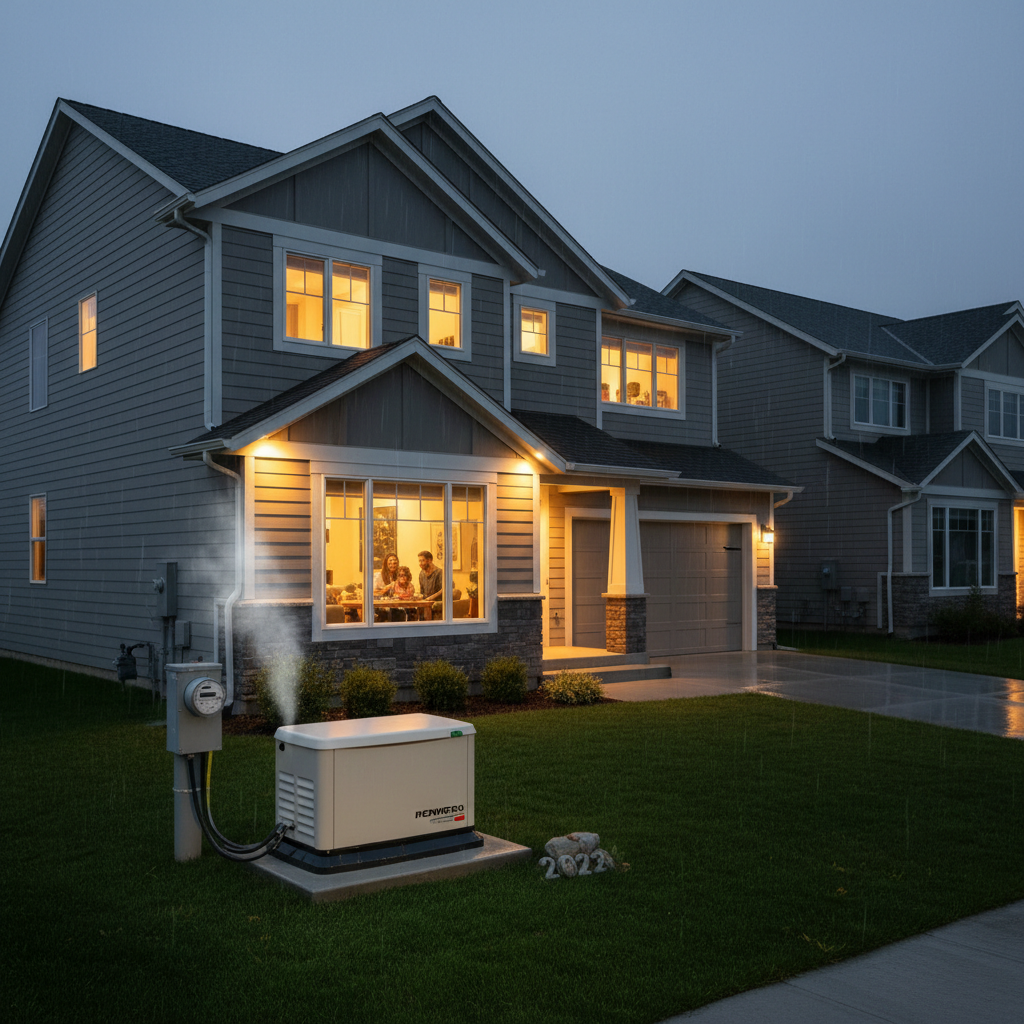
In 2023, the benefits of having a back up power generator have become even more pronounced, as power interruptions are on the rise. Homeowners can enjoy peace of mind knowing that their families will not be left in the dark, especially during critical times. Additionally, the capacity to power essential devices, such as refrigeration units, medical equipment, and heating systems, underscores the importance of preparedness in the modern world. This article highlights the top five benefits of back up power generators, emphasizing their role in enhancing safety, convenience, and overall resilience for homeowners in today's unpredictable landscape.
Top 5 Reasons Why Homeowners Need Backup Power Generators in 2023
The increasing frequency of power grid failures in recent years has highlighted the importance of backup power generators for homeowners. With rising electricity costs and concerns over energy reliability, many are turning to these technologies to ensure their homes remain powered during outages. Backup generators provide a sense of security, allowing families to maintain essential functions, such as refrigeration, heating, and medical equipment operation, even when the grid goes down.
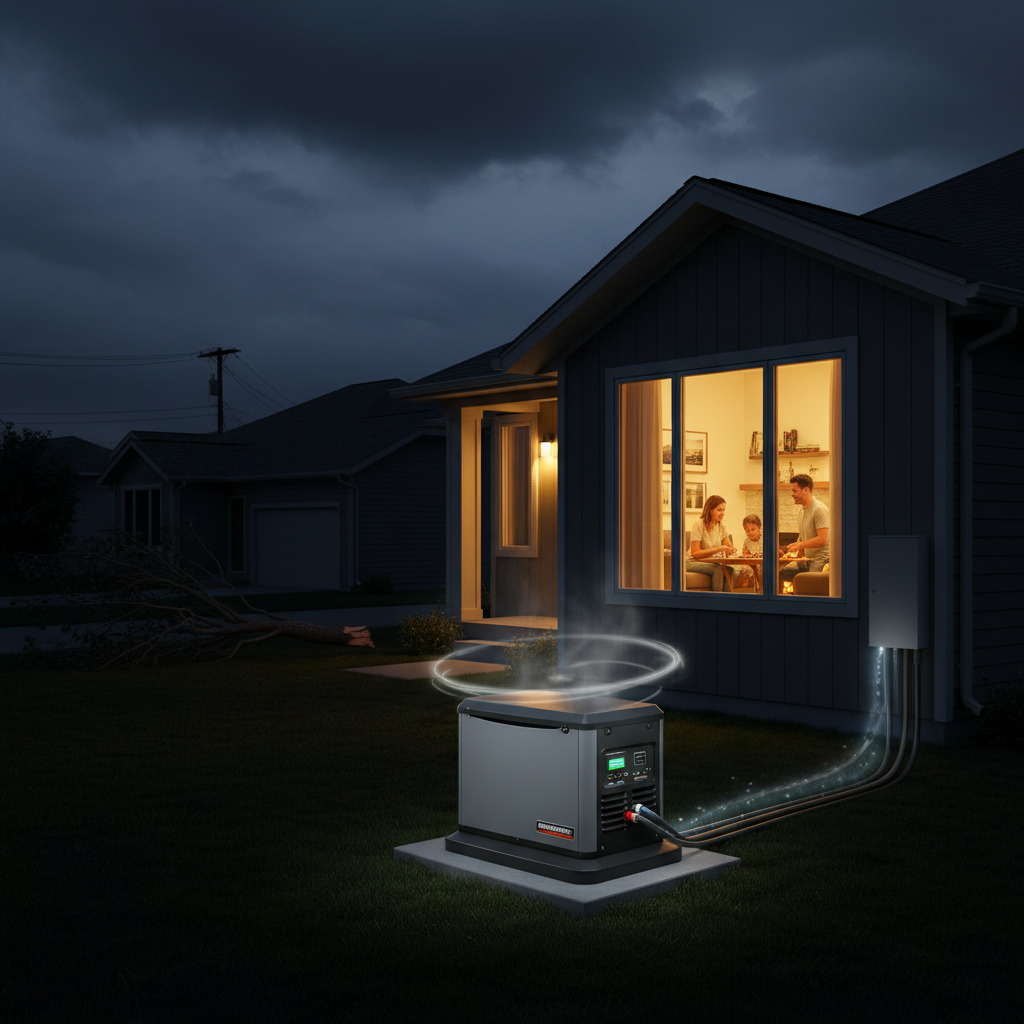
Moreover, as the market for residential power solutions evolves, many homeowners are considering the pros and cons of different systems. While home batteries offer lower operating costs and are more sustainable, they may not always provide the instantaneous power that a generator can deliver during a blackout. This growing interest in both backup generators and home battery systems reflects a shift towards more independent and resilient energy solutions, especially in areas prone to severe weather and electrical disruptions. As technology advances, the options available will only expand, making it crucial for homeowners to stay informed about their energy needs.
The Financial Savings of Owning a Backup Power Generator for Your Home
The financial savings of owning a backup power generator can be significant for homeowners, especially considering the increasing frequency of power outages. According to a report by the U.S. Energy Information Administration, nearly 30% of households experienced a power interruption in the past year, leading to potential losses. When the power goes out, food spoilage can quickly escalate, with an average household losing approximately $200 worth of perishable food during extended outages. A backup generator can help mitigate this loss by keeping refrigerators and freezers operational, translating into considerable savings.
Moreover, studies have shown that homeowners who invest in a backup generator can save on home insurance costs over time. A report from the National Association of Insurance Commissioners indicates that some insurers offer discounts for homes equipped with backup power sources, as they reduce the risk of damage and loss during outages. This could lead to annual savings of around 10-15% on home insurance premiums. Therefore, while the upfront cost of a backup generator might seem steep, the long-term financial benefits and savings on food and insurance can make it a worthwhile investment for homeowners in 2023.
Top 5 Benefits of Backup Power Generators for Homeowners in 2023
Backup power generators offer numerous advantages for homeowners, including significant cost savings and increased home value. In this chart, we explore the estimated benefits score for five key advantages of owning a backup power generator in 2023, illustrating how they contribute to reliability, emergency preparedness, and overall convenience in our daily lives.
Ensuring Home Safety: How Backup Generators Protect Against Power Outages
In an era where power outages can occur unexpectedly due to severe weather or grid failures, homeowners must consider the advantages of backup power generators. These systems provide a crucial layer of protection, ensuring that families can continue their daily routines even when the main power supply is disrupted. One of the primary benefits of having a backup generator is the peace of mind it offers. Knowing that essential appliances and home security systems will remain operational during an outage significantly alleviates the stress associated with such situations.
Moreover, backup generators play a vital role in safeguarding the home. They ensure that critical functions such as refrigeration, heating, and medical equipment remain powered, which is essential for both comfort and safety. By providing continuous electricity, these generators help prevent food spoilage and maintain a safe environment, particularly for vulnerable family members. Additionally, with more homeowners investing in smart home technology, backup generators ensure that these systems remain functional, offering enhanced security and convenience when it matters most.
Top 5 Benefits of Back Up Power Generators for Homeowners in 2023
| Benefit |
Description |
Impact on Home Safety |
| Continued Power Supply |
Backup generators provide electricity during outages, keeping essential home systems operational. |
Minimizes risks associated with power loss, ensuring safety and comfort. |
| Emergency Lighting |
Generates light during outages, preventing potential accidents. |
Enhances visibility, reducing hazards from falls and injuries. |
| Food Preservation |
Maintains refrigeration, protecting food supplies during prolonged outages. |
Prevents food spoilage, contributing to health safety. |
| Protection of Appliances |
Prevents power surges that can damage electronic devices. |
Preserves the functionality of home appliances, ensuring long-term safety. |
| Increased Property Value |
Homes with backup generators may have higher resale value. |
Increases appeal to potential buyers, contributing to overall safety perception. |
Convenience and Comfort: The Lifestyle Benefits of Backup Power Generators
With the increasing frequency of extreme weather events, homeowners are recognizing the critical importance of backup power generators. These reliable systems provide not only security during outages but also a remarkable level of convenience and comfort. Recent reports suggest that homeowners equipped with backup generators experience significantly less disruption from power failures, enhancing their overall quality of life. This reliability is particularly vital for families with medical needs or those reliant on electronic devices for work and leisure.
Additionally, the availability of solar-powered generators has revolutionized the way homeowners approach backup power. Experts indicate that these eco-friendly options can reduce carbon footprints while providing a sustainable energy source during emergencies. With solar technology advancing, many models now feature capabilities to charge efficiently even during cloudy weather, ensuring continuous power supply. As homeowners invest in backup solutions, data shows they not only safeguard their electrical needs but also contribute to a greener environment, underscoring the dual benefits of convenience and sustainability.
Environmental Considerations: The Green Advantage of Modern Backup Generators
In recent years, the demand for environmentally friendly power solutions has surged, leading to significant advancements in backup generator technology. Modern backup generators are designed with energy efficiency in mind, utilizing eco-friendly fuel sources such as propane or natural gas. These alternatives produce fewer emissions compared to traditional diesel generators, making them a greener option for homeowners. By integrating clean energy sources, these generators help reduce the overall carbon footprint while ensuring a reliable power supply during outages.
Moreover, some modern backup generators are equipped with smart technology that optimizes energy usage, allowing homeowners to monitor and control their energy consumption remotely. This not only promotes more responsible usage but also enhances efficiency, further contributing to reduced environmental impact. By choosing innovative backup power solutions, homeowners can support sustainability efforts while ensuring their households remain powered during emergencies, thus aligning their energy needs with modern environmental standards.