Understanding the Benefits of House Generators for Emergency Preparedness
In an unpredictable world where natural disasters, power outages, and emergencies can strike at any moment, having a reliable house generator can make a significant difference in maintaining comfort and safety. This comprehensive guide explores the myriad benefits of house generators for emergency preparedness. From ensuring a continuous power supply during outages to protecting vital appliances and enhancing overall security, house generators serve as a crucial investment for homeowners.
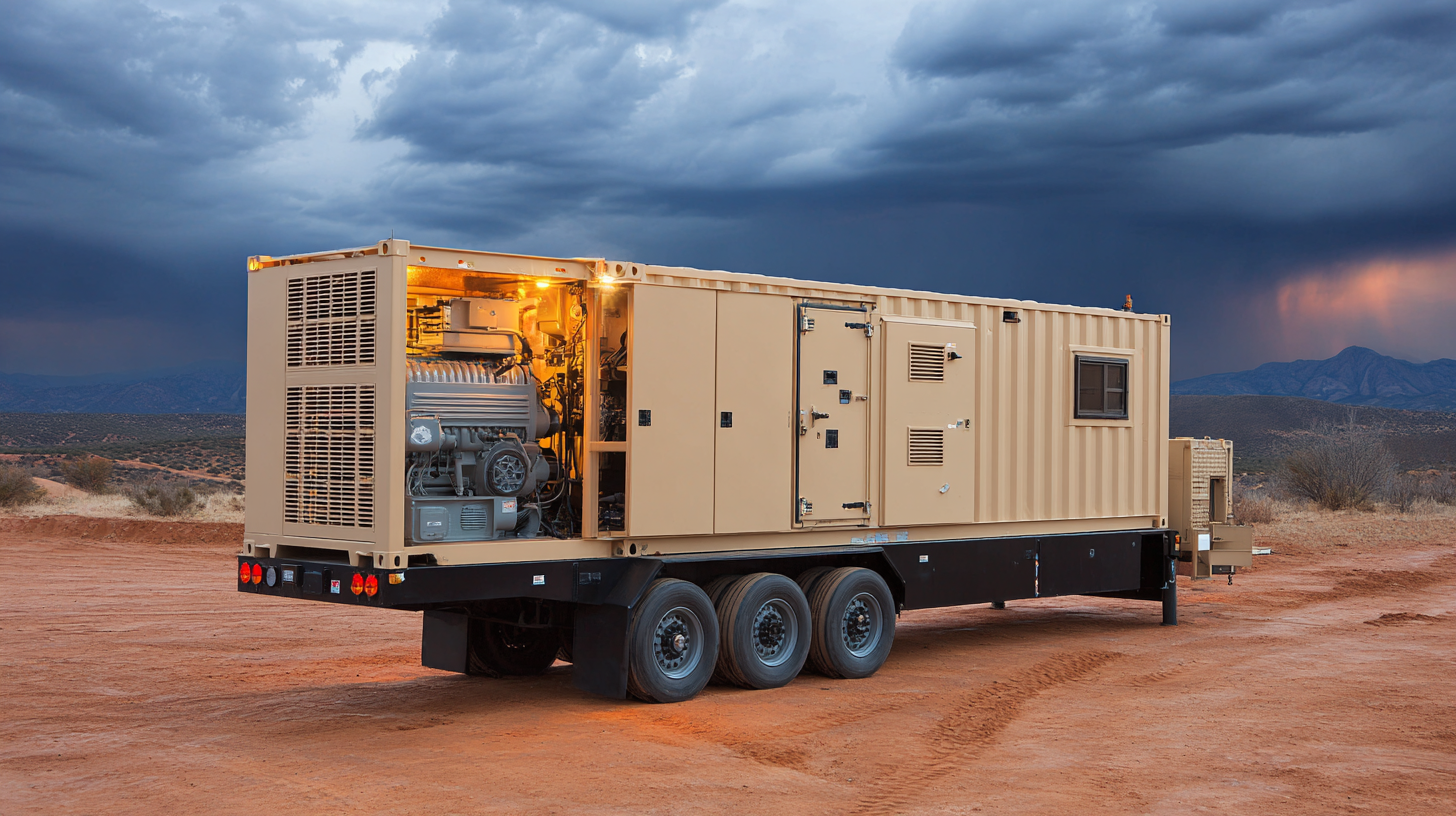 As we delve into various types and features of generators, readers will gain insights into how these systems can provide peace of mind and readiness to face unforeseen challenges. By understanding the importance of house generators, homeowners can better prepare themselves and their families for whatever circumstances may arise.
The Importance of Emergency Preparedness for Homeowners
Emergency preparedness is crucial for homeowners, especially as the frequency of severe weather events increases. According to the Federal Emergency Management Agency (FEMA), nearly 50% of Americans do not have a plan in place for emergencies. This statistic underscores the need for homeowners to take proactive steps in safeguarding their families and properties. Implementing a comprehensive emergency preparedness strategy provides peace of mind, ensuring that individuals can respond effectively during crises such as power outages, natural disasters, or other unforeseen events.
One effective component of an emergency preparedness plan is the installation of a house generator. The Generator Specialists report that homes equipped with backup generators are 52% less likely to experience significant disruptions during power outages. These generators not only offer immediate relief from energy loss but also protect vital appliances, prevent food spoilage, and maintain heating or cooling systems. By investing in a house generator, homeowners can bolster their resilience against power interruptions, enhancing overall preparedness and security for their families during emergencies.
Key Features of House Generators
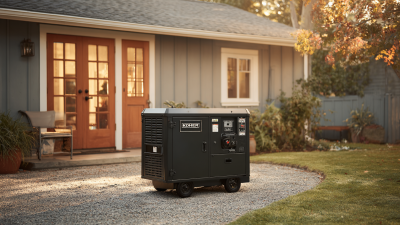
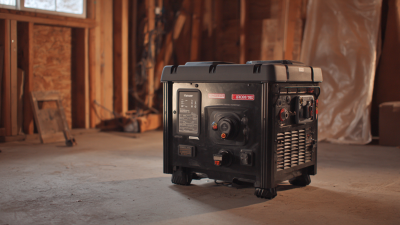
House generators have become an essential component of emergency preparedness, offering reliable power during outages caused by storms, floods, or other disasters. When selecting a generator, it is crucial to understand its features, as these can greatly influence performance and user satisfaction. Key features to consider include the generator type—stationary versus portable—as well as fuel type options, such as diesel or gas, which can impact both the efficiency and convenience of use.
In the residential generators market, stationary generators are typically more powerful and can be integrated into a home’s electrical system, providing seamless power during an outage. Conversely, portable generators are favored for their mobility and versatility, making them suitable for various temporary power needs. With technological advancements, market offerings are also segmented by power ratings, allowing homeowners to choose a generator that matches their specific power requirements, ensuring they remain prepared and secure during emergencies.
Understanding the Benefits of House Generators for Emergency Preparedness - Key Features of House Generators
| Feature |
Description |
Benefits |
| Fuel Type |
House generators can run on gasoline, propane, or natural gas. |
Flexibility in fuel source allows for easier availability and potentially lower costs. |
| Power Output |
Generators are available with output ranging from 5 kW to over 20 kW. |
Sufficient power output to run essential appliances during outages. |
| Automatic Start |
Many modern generators come with an automatic transfer switch. |
Ensures instant power supply without manual intervention during outages. |
| Noise Level |
Generators vary in noise levels, from quiet models to standard ones. |
Quieter models reduce disturbance, especially in residential areas. |
| Portability |
Some generators are portable, allowing easy transport. |
Useful for various outdoor activities and emergency situations. |
| Maintenance |
Regular maintenance, including oil changes and testing, is essential. |
Proper maintenance ensures longevity and reliability during outages. |
Types of House Generators Available on the Market
When considering the types of house generators available on the market, two main categories stand out:
stationary and
portable generators.
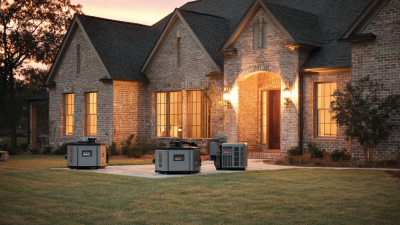
Stationary generators, often installed permanently outside a home, are designed to provide a seamless power supply during outages.
They can automatically turn on when power is lost and are typically fueled by natural gas or propane, offering a reliable long-term solution for continuous power demands.

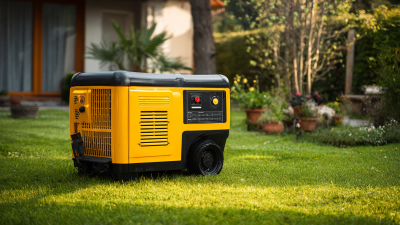
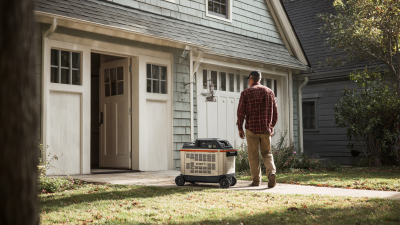
On the other hand, portable generators provide flexibility and convenience, making them ideal for both home use and outdoor activities.
These generators, powered by diesel or gasoline, are compact and can be easily transported to different locations, ensuring that you have power wherever it's needed.
They are particularly useful for charging electronics, running tools, or providing backup power in emergencies.
As the residential generator market continues to grow, consumers have a wider selection of models and features to choose from, catering to various power needs and preferences.
Cost-Benefit Analysis of Investing in a House Generator
Investing in a house generator offers significant financial benefits, especially when considering the long-term savings during power outages. A cost-benefit analysis reveals that homeowners can avoid the costly consequences of lost food, disrupted business, and potential damage to appliances that can occur during extended blackouts. While the upfront cost of purchasing and installing a generator can seem high, the financial protection it provides during emergencies can outweigh these initial expenses.
Moreover, the growing availability of diverse generator types, including stationary and portable options, alongside varying fuel choices such as diesel and gas, allows homeowners to select a system that best fits their needs and budget. As solar technology continues to advance, the cost of electricity from solar panels is becoming increasingly competitive, often surpassing traditional fossil fuels. This evolving landscape not only enhances the appeal of home generators but also underscores the importance of having a reliable backup power source in today’s unpredictable energy environment.
Understanding the Benefits of House Generators for Emergency Preparedness
This chart illustrates the cost comparison for investing in a house generator. It covers the initial cost, annual maintenance, fuel expenses, and the value of potential power loss during outages. Investing in a house generator can provide significant savings by reducing the impact of power outages on daily life.
Maintenance Tips for Ensuring Generator Reliability During Emergencies
To ensure that your house generator is reliable during emergencies, regular maintenance is crucial. Start by scheduling routine checks, ideally every few months, to assess the generator's overall condition. This includes inspecting the oil levels, coolant, and fuel system, as well as checking for any signs of wear or corrosion. Keeping the generator clean and free of debris will also help prevent operational issues when it’s needed most.
Another important aspect of maintenance is running the generator under load at least once a month. This practice not only keeps the engine in good working order but also helps familiarize yourself with its operation. Additionally, consider investing in high-quality fuel and additives to prevent clogging and maintain fuel stability. Lastly, don't forget to keep the generator's manual handy, as it contains valuable troubleshooting tips and specific maintenance recommendations tailored to your model. By prioritizing these maintenance tips, you can ensure your generator will function effectively when emergencies arise.