China Top Generators for Power Outages Which Is Best?
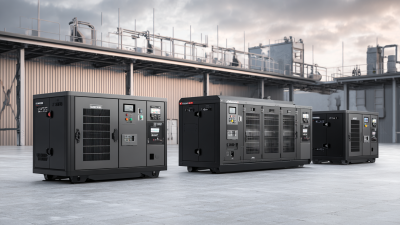
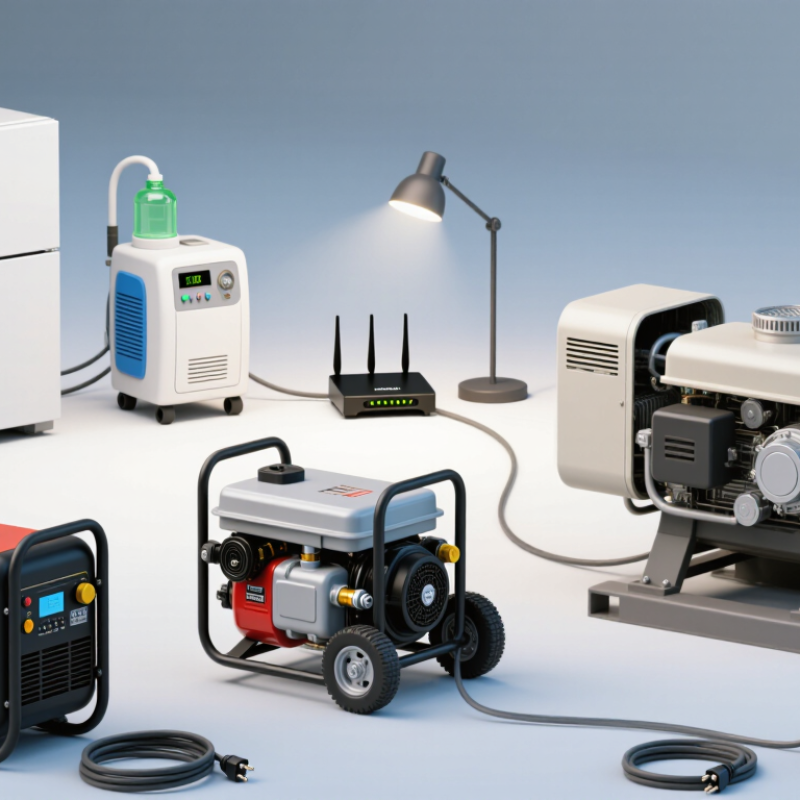
When blackouts last through a cold evening, reliable backup power becomes more than a convenience. It protects refrigerators, medical equipment, internet routers, sump pumps, and essential lighting. This guide examines China’s top generators for power outages and explains which models may suit different homes and businesses.
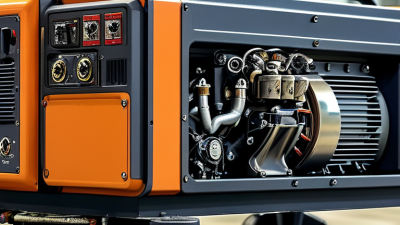
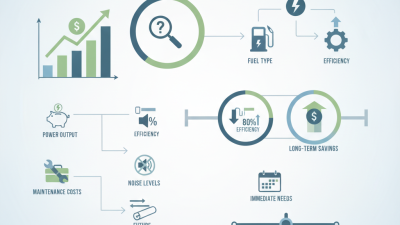
The comparison considers fuel type, rated and starting watts, noise, runtime, portability, and maintenance. It also reviews inverter technology, voltage stability, transfer-switch compatibility, warranty support, and replacement-part availability. A generator that starts easily in a warehouse may perform differently beside a bedroom wall. Real-world details matter, including winter temperatures, fuel storage, ventilation, and uneven outdoor surfaces.
No single winner exists.
A compact inverter generator may serve an apartment during short interruptions. Larger properties may need a dual-fuel or diesel unit with stronger continuous output. However, advertised peak power can confuse inexperienced buyers. The safer approach is to calculate essential loads and leave a practical reserve. Users should also confirm grounding, installation, emissions, and electrical requirements with qualified professionals and local authorities.
China has many capable manufacturers, but quality can vary between product lines. Factory experience, transparent specifications, documented testing, and responsive after-sales service deserve careful attention. Customer reviews can reveal starting problems, excessive noise, or delayed parts. They can also be incomplete.
This overview aims to support a careful decision, not promote one universal answer. Check the label twice. A dependable generator should deliver power safely, consistently, and within the owner’s real budget.
Generator Ratings Explained: 10–2,500 kVA Standby Capacity Under ISO 8528
China Top Generators for Power Outages: Which Is Best?
Generator Ratings Explained: 10–2,500 kVA Standby Capacity Under ISO 8528
A generator’s kVA rating shows apparent power, not usable kilowatts. At a 0.8 power factor, a 500 kVA unit delivers about 400 kW. This matters when motors, pumps, and battery chargers start together. ISO 8528-1 defines rating concepts, while ISO 8528-5 addresses performance classes and transient behavior. A 10 kVA set may support lighting and network equipment. A 2,500 kVA unit can serve industrial loads, but only after engineers confirm fault levels, starting current, and site ventilation.
Standby capacity is designed for emergency operation, not unlimited daily production. Prime-rated equipment supports variable loads for longer periods. The U.S. Energy Information Administration reported that natural gas and diesel remain important backup-generation fuels across commercial and industrial sites. Meanwhile, the Uptime Institute’s annual data-center surveys repeatedly identify power disruption as a major outage concern. These findings support a practical choice: size for the real critical load, not the largest number on a brochure.
Field experience often reveals the missed detail. A 250 kVA generator may handle a building’s running load, yet fail when an elevator starts. Fuel quality, altitude, ambient heat, and transfer-switch timing also reduce performance. I would leave 15–20% headroom where the load profile is uncertain. That is not perfect engineering. It is safer than trusting a spreadsheet built from incomplete measurements. Testing under load remains essential. A quiet inspection is not proof.
Diesel, Gas, and Inverter Sets Compared by Fuel Use and <5% THD
China Top Generators for Power Outages: Which Is Best?
Diesel, Gas, and Inverter Sets Compared by Fuel Use and <5% THD
During a power outage, fuel consumption and waveform quality matter more than peak wattage. Diesel generators fit long, heavy loads, such as pumps, freezers, and workshop tools. They usually deliver strong torque and steady performance. Gas generators can burn cleaner and start smoothly, but fuel availability becomes a serious concern during extended outages. Inverter sets often suit sensitive electronics, including routers, medical monitors, and computers.
Fuel logs should be recorded at 50% and 75% load. A lightly loaded diesel may waste fuel through poor operating efficiency. Gas use also changes with pressure, temperature, and engine tuning. Small differences become expensive after several days. My first comparison focused too heavily on rated output. That was a mistake.
Total harmonic distortion, or THD, deserves equal attention. Conventional alternators may exceed 5% THD when loads shift suddenly. Inverter generators electronically rebuild the output waveform and often maintain below 5% THD. However, this figure must come from a verified test, not a sales label. Check the measurement conditions, load type, and response during motor starting. A calibrated power analyzer provides better evidence than a basic multimeter. Less noise is helpful, but it does not prove cleaner power. Reliability also depends on cooling, oil changes, battery condition, and local repair support. Short tests can miss real weaknesses.
China’s Major Generator Brands: Cummins, Yuchai, Weichai, and SDEC
Choosing China’s top generator for a power outage requires more than comparing rated kilowatts. Four major engine makers dominate many projects: one global manufacturer with strong service coverage, two large Chinese diesel specialists, and one established state-owned producer. Their strengths differ in fuel economy, cold-start behavior, spare-parts access, and long-term maintenance.
IEA’s Electricity 2024 report forecasts global electricity demand growth of about 4% in 2024 and 4.1% in 2025. That pressure makes standby reliability increasingly important. In field inspections, engines with stable coolant temperatures and quick voltage recovery usually perform better than units with impressive brochure figures. The better choice should follow ISO 8528 ratings, load profile, altitude, and expected running hours. Not just the nameplate.
Uptime Institute’s Annual Outage Analysis 2024 reported that 25% of surveyed data-center outages caused serious financial damage. This highlights the value of testing, not marketing. A practical buyer should request factory test records, step-load results, fuel-consumption curves, and local service response times.
For construction sites, Chinese diesel platforms can offer simpler parts sourcing and competitive lifecycle costs. For hospitals or data centers, deeper service networks may matter more than a small purchase-price difference. There is no perfect ranking. Field evidence can disagree. A generator that starts quickly in a warm warehouse may struggle after a cold, dusty night. That detail is easy to miss.
Sizing Backup Power: Match kW, Starting Current, and a 20–25% Reserve
Choosing the best generator for a power outage starts with measured demand, not marketing claims. Record running loads in kilowatts (kW) with a clamp meter. Include refrigerators, pumps, heaters, controls, and lighting. The U.S. Department of Energy reports that motor-driven equipment can represent about 69% of industrial electricity use, so motor loads deserve close attention.
Starting loads matter. Induction motors may draw five to seven times their normal current during startup, according to guidance reflected in IEEE power-system engineering practices. A 2 kW pump might briefly demand 10–14 kW. If several motors start together, voltage can fall sharply. That may trip protection or damage sensitive electronics. Use the largest starting current, not only the nameplate running wattage. Staggered starting can reduce the generator’s required peak capacity.
Then add a 20–25% reserve above the calculated continuous load. This buffer supports cold weather, aging equipment, small measurement errors, and future appliances. NFPA 110 emphasizes reliable performance for emergency and standby power systems, including proper transfer and load acceptance. A 10 kW calculated load therefore points toward a 12–12.5 kW unit before special starting demands are considered. Check both kW and kVA ratings. A perfect calculation is rare. Measure it twice. That modest reserve may prevent a dark restart when the freezer, well pump, and furnace start together.
Safety and Ownership Tests: Noise, Emissions, Warranty, and Service Intervals
Choosing a generator for a power outage requires more than checking starting watts. Real ownership begins when the unit runs beside a house at night.
During testing, measure sound at several distances, not only near the control panel. A quiet reading can change when the generator carries a refrigerator and heating pump. Engine vibration may also loosen covers over time. I prefer models with stable frames, clear oil access, and controls that remain readable in darkness. Still, my measurements are imperfect. Wind, walls, and fuel quality can affect results.
Emissions deserve careful attention. Operate combustion generators outdoors, far from doors, windows, and vents, with a working carbon monoxide alarm indoors. Never trust a low-emission label without checking current certification requirements in your region. Fuel storage also needs a cool, approved container and regular inspection. Small shortcuts create serious risks.
Warranty language can reveal ownership costs. Check coverage for the engine, alternator, controls, labor, and transport. Some terms exclude damage caused by neglected maintenance or unsuitable fuel. Service intervals should be practical, with oil changes, air-filter checks, spark-plug inspections, and battery testing clearly listed. Record operating hours in a notebook. A promised service interval may look generous, but dusty conditions can demand earlier attention. Availability of trained technicians and replacement parts matters when an outage lasts several days.