What Is the Best Electric Generator for Home Use?
Choosing the best electric generator for home use is not about buying the largest machine. It is about matching reliable power to your household’s real needs. A refrigerator, Wi-Fi router, sump pump, and several lights may require less capacity than many homeowners expect. However, starting watts can briefly exceed running watts, creating a costly mistake.
John Drengenberg, a consumer safety expert formerly associated with UL Solutions, has emphasized, “Never operate a portable generator inside a home, basement, garage, or shed.” That warning should shape every buying decision. Carbon monoxide can build up quickly, even near open doors or windows. A safe setup requires outdoor placement, dry conditions, proper grounding, and professional transfer-switch installation when connecting to household circuits.
This guide compares portable, inverter, and standby generators through practical details. We examine output, fuel use, noise, maintenance, weather protection, and automatic operation. We also consider generator warranties and the availability of local service technicians. A quiet inverter model may suit an apartment, while a standby unit may better protect a large home during repeated outages.
There is no perfect model.
My assessment may overlook an unusual household load or regional fuel limitation. That is why readers should calculate essential wattage before choosing a brand. Test the generator before an emergency, record its maintenance dates, and keep fuel stored according to local safety guidance. The best electric generator for home use is the one that starts reliably, powers essential appliances, and can be operated safely when the lights suddenly disappear.
Understanding How Home Electric Generators Work
What Is the Best Electric Generator for Home Use?
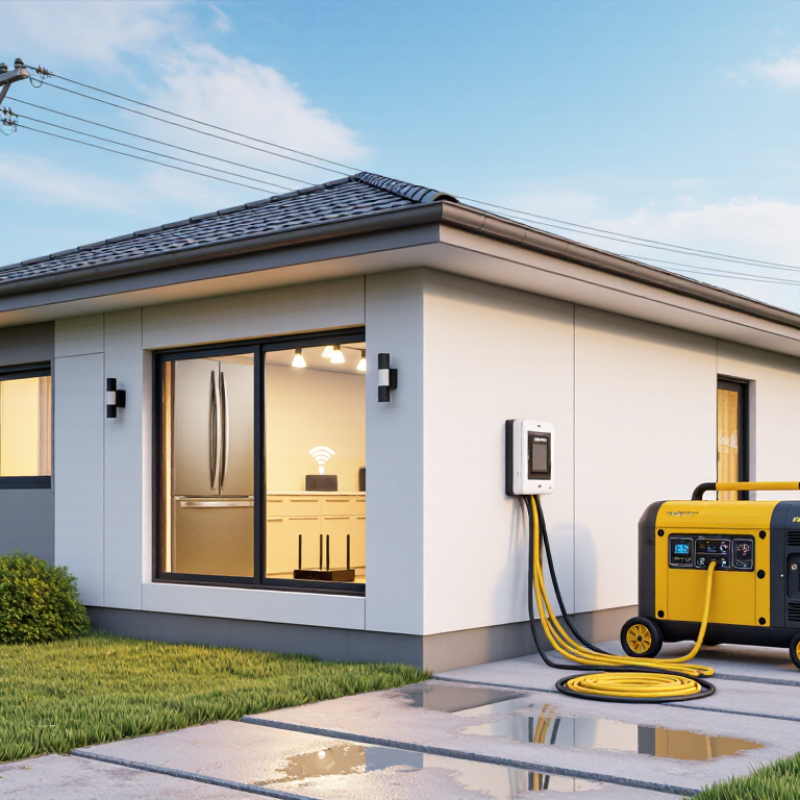
Understanding How Home Electric Generators Work starts with the energy path. A fuel engine turns an alternator, which produces electrical power. An inverter then smooths that power for sensitive devices. A transfer switch separates generator electricity from utility lines. This prevents dangerous backfeeding. Automatic models detect an outage and start within seconds. Portable units need manual setup and direct connection to selected appliances.
The best generator depends on your actual load, not the largest advertised number. A refrigerator may need 800 watts while starting, despite using less afterward. A gas furnace also needs startup power. Add these surge demands before choosing capacity. The U.S. Energy Information Administration reported that American customers experienced about eight hours of power interruptions in 2023, including major events. That figure makes backup planning practical, but it does not justify oversizing every system.
Safety changes the decision. The U.S. Consumer Product Safety Commission recorded an average of about 92 annual deaths from portable-generator carbon monoxide poisoning between 2011 and 2021. Operate portable equipment outdoors, far from windows and doors. Never place it in a garage. A qualified electrician should install permanent wiring and a transfer switch. My first assumption was that higher wattage meant better protection. It was incomplete. Fuel storage, noise, maintenance, and transfer time matter too. A generator that starts reliably but cannot power essential circuits is still the wrong choice.
Calculating the Right Generator Size and Power Capacity
What Is the Best Electric Generator for Home Use?
Calculating the Right Generator Size and Power Capacity
The best home generator depends on the appliances you must keep running. Begin with a written load list, not a guess. Record each appliance’s running watts and starting watts. Refrigerators, pumps, and compressors often need extra power during startup. Add the running watts together, then identify the largest starting surge. Your generator should cover both figures.
A useful estimate comes from multiplying volts by amps. A device rated at 120 volts and 8 amps uses about 960 watts. Check the appliance label or its manual for more accurate information. Include lights, communication equipment, a heating system, and medical devices when necessary. Avoid powering every household appliance at once. That usually increases fuel use and complicates the calculation.
My early estimates were too neat. Real startup demands can vary with temperature, age, and maintenance. I now add roughly 20 to 30 percent capacity as a practical reserve. A 4,000-watt running load may need a generator rated near 5,000 watts or more. The exact choice still requires careful measurement. Test the generator with essential loads before an outage occurs. Keep it outdoors, away from doors and windows, and use a properly installed transfer switch. A qualified electrician should inspect the connection. Safety matters more than convenience.
What Is the Best Electric Generator for Home Use? - Calculating the Right Generator Size and Power Capacity
| Home Use Scenario |
Typical Running Load (W) |
Estimated Starting Surge (W) |
Recommended Generator Capacity |
Suitable Loads |
Important Limitations |
| Essential backup |
700–1,200 |
1,500–2,500 |
2,000–3,000 W |
Refrigerator, lights, router, phone chargers, and a small fan |
Usually cannot support heating, electric cooking, or central air conditioning |
| Small household backup |
1,500–2,500 |
3,000–4,500 |
3,500–5,000 W |
Essential backup loads plus a sump pump, freezer, television, or microwave used one at a time |
High-wattage appliances must be scheduled rather than operated together |
| Medium home backup |
2,500–4,000 |
5,000–7,000 |
5,000–7,500 W |
Refrigeration, lighting, electronics, a well pump, furnace blower, and selected kitchen appliances |
May require load management when motors or heating elements start |
| Large home backup |
4,000–6,000 |
7,000–10,000 |
7,500–10,000 W |
Most essential circuits, multiple refrigeration appliances, pumps, lighting, and limited electric cooking |
Whole-home operation may still be impractical if electric heating or air conditioning is included |
| High-demand home backup |
6,000–10,000 |
10,000–15,000 |
12,000–15,000 W |
Many household circuits, larger pumps, selected air-conditioning systems, and higher continuous demand |
Professional installation and electrical load assessment are strongly recommended |
| Common Household Appliance |
Typical Running Power (W) |
Typical Starting Power (W) |
Sizing Note |
| Refrigerator or freezer |
100–400 |
800–2,000 |
Compressor starting demand can be several times the running demand |
| LED lighting circuit |
50–300 |
50–300 |
Usually has little additional starting surge |
| Wi-Fi router and modem |
10–30 |
10–30 |
Low load but important for communication |
| Sump pump |
800–1,500 |
2,000–4,500 |
Check the motor nameplate because pump sizes vary considerably |
| Microwave oven |
1,000–1,800 |
1,000–1,800 |
Use it separately from other large kitchen loads when capacity is limited |
| Portable space heater |
1,500 |
1,500 |
Consumes substantial capacity continuously |
| Well pump |
750–2,000 |
2,000–6,000 |
Use the pump’s nameplate or electrician’s measurement for accurate sizing |
| Central air-conditioning system |
2,000–5,000+ |
5,000–15,000+ |
Starting demand depends on system size and compressor technology |
Basic sizing rule: Add the running watts of all appliances that may operate at the same time, then add the largest starting surge from a motor-driven appliance. Choose a generator whose continuous wattage exceeds that total, with additional capacity for future loads.
Evaluating Fuel Options, Safety Features, and Operating Costs
The best home electric generator depends on fuel access, load, and safe installation. Gasoline usually offers easy refueling and strong peak output, but storage creates fire and spill concerns. Propane stores longer and burns cleaner, though cold weather can reduce performance. Natural gas is convenient for fixed standby systems, yet severe storms may interrupt supply. Dual-fuel models add flexibility. Fuel changes everything.
Operating cost depends heavily on electrical load. The U.S. Energy Information Administration reported average residential electricity prices of 16.48 cents per kilowatt-hour in 2023. A generator may cost more per delivered kilowatt-hour after fuel, maintenance, and oil changes. Compare its rated fuel consumption at 25%, 50%, and 100% load. Those figures reveal more than maximum wattage. An inverter generator can reduce fuel use during light loads, but its purchase price may be higher. I would not trust a simple “hours per tank” claim without checking the test conditions.
Safety deserves greater weight than convenience. The U.S. Consumer Product Safety Commission advises operating portable generators outdoors, at least 20 feet from buildings, with exhaust directed away from windows and doors. Carbon monoxide sensors and automatic shutoff features provide useful protection, not permission to operate indoors. Install a listed transfer switch through a qualified electrician; backfeeding can endanger utility workers. The National Fire Protection Association also emphasizes keeping generators dry and allowing engines to cool before refueling. My own purchasing rule is imperfect: choose the quietest unit that safely handles essential loads, not every appliance in the house. Oversizing wastes fuel. Undersizing creates stress.
Choosing the Best Generator for Your Home and Budget
What Is the Best Electric Generator for Home Use?
Choosing the Best Generator for Your Home and Budget
The best generator depends on what your home truly needs during an outage. List essential appliances before comparing prices. A refrigerator may use 800 starting watts, while a sump pump can require much more. Add starting and running watts, then choose extra capacity for unexpected demand. Do not size the unit for every appliance at once.
Budget involves more than the purchase price. Fuel storage, oil changes, maintenance, cables, and professional installation can raise the final cost. A compact inverter generator may suit a few sensitive devices and produce less noise. A larger standby system can support major circuits, but it requires suitable space and a qualified electrician. A transfer switch is safer than improvised connections.
Safety matters more than convenience. Operate fuel-powered equipment outdoors, far from doors and windows. Keep a carbon monoxide alarm inside the home. Test the generator every few months with a simple load, such as a refrigerator and lamp. That routine can reveal a weak battery or stale fuel early. It is easy to overestimate your power needs. I would rather pay for modest reserve capacity than discover the limitation during a winter outage. Still, oversized equipment wastes fuel and money, so measure carefully before buying.
What Is the Best Electric Generator for Home Use?
Typical continuous power output by generator category. Choose a unit that covers essential appliances first, then allow additional capacity for starting surges from refrigerators, pumps, and HVAC equipment.
Values represent common residential generator capacities and are intended for comparison. Actual output varies by model, fuel type, operating conditions, and rated versus surge capacity.