10 Best Electric Generators for Home Use in 2023: Your Ultimate Guide
In today’s world, having a reliable source of power is more crucial than ever, and an electric generator for home use can be a game-changer for many households. Whether you are preparing for unforeseen outages or simply looking to enhance your home’s energy independence, selecting the right generator is an important decision that can impact your comfort and safety. With the advancements in technology, electric generators have evolved, offering improved efficiency, portability, and user-friendliness, making them a valuable investment for modern homes.
This ultimate guide aims to provide a comprehensive overview of the top electric generators available in 2023. We will explore various features and specifications, highlighting the pros and cons of each option to help you make an informed decision. Understanding your specific needs—such as wattage requirements, fuel type, and portability—will empower you to choose an electric generator for home use that best fits your lifestyle. Join us as we dive into the best options on the market, ensuring you find the perfect generator to keep your home powered and your life uninterrupted.
Top Features to Look for in Electric Generators for Home Use
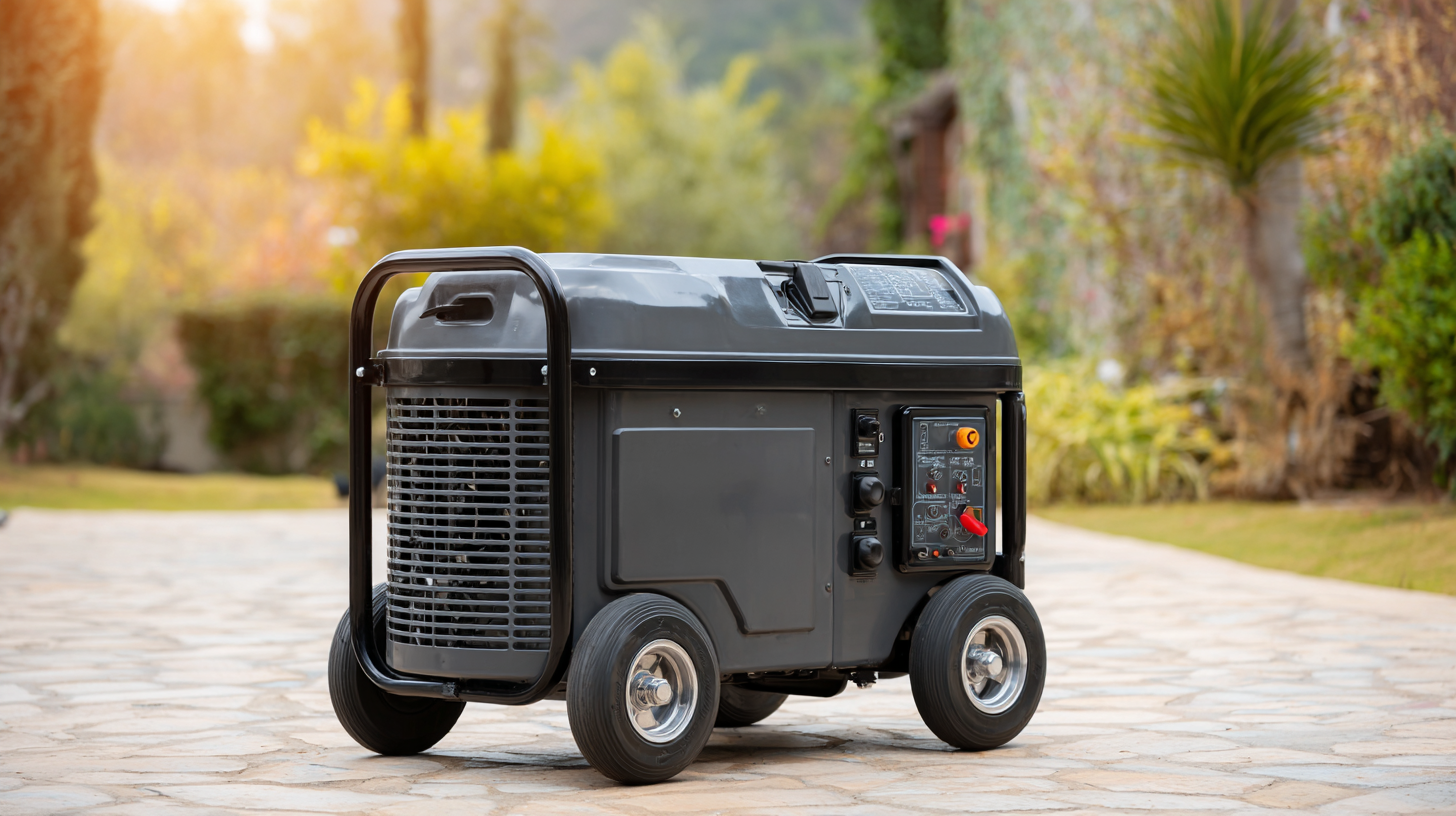
When choosing an electric generator for home use, there are several key features to consider. Firstly, the generator's power output is crucial; it's typically measured in watts and should match or exceed the combined wattage of the devices you intend to power. Many modern generators offer dual fuel capabilities, allowing you to use both gasoline and propane. This versatility not only enhances fuel efficiency but also provides options during emergencies when one fuel type might be in short supply.
Another important aspect is portability. As the demand for backup power sources grows, especially in regions with unstable power supply, many households are opting for portable generators. These devices are designed to be lightweight and easily transportable, making them ideal for both home backups and outdoor activities. Features such as inverter technology can also be beneficial for sensitive electronics, providing clean and stable power.
Tips: Always consider noise levels, especially if you live in a densely populated area. Additionally, ensure you understand local regulations regarding generator usage, particularly concerning emissions and noise restrictions. Investing in a generator that is easy to set up and operate will also save you time and stress during power outages.
Comparative Analysis of 2023's Best Electric Generators
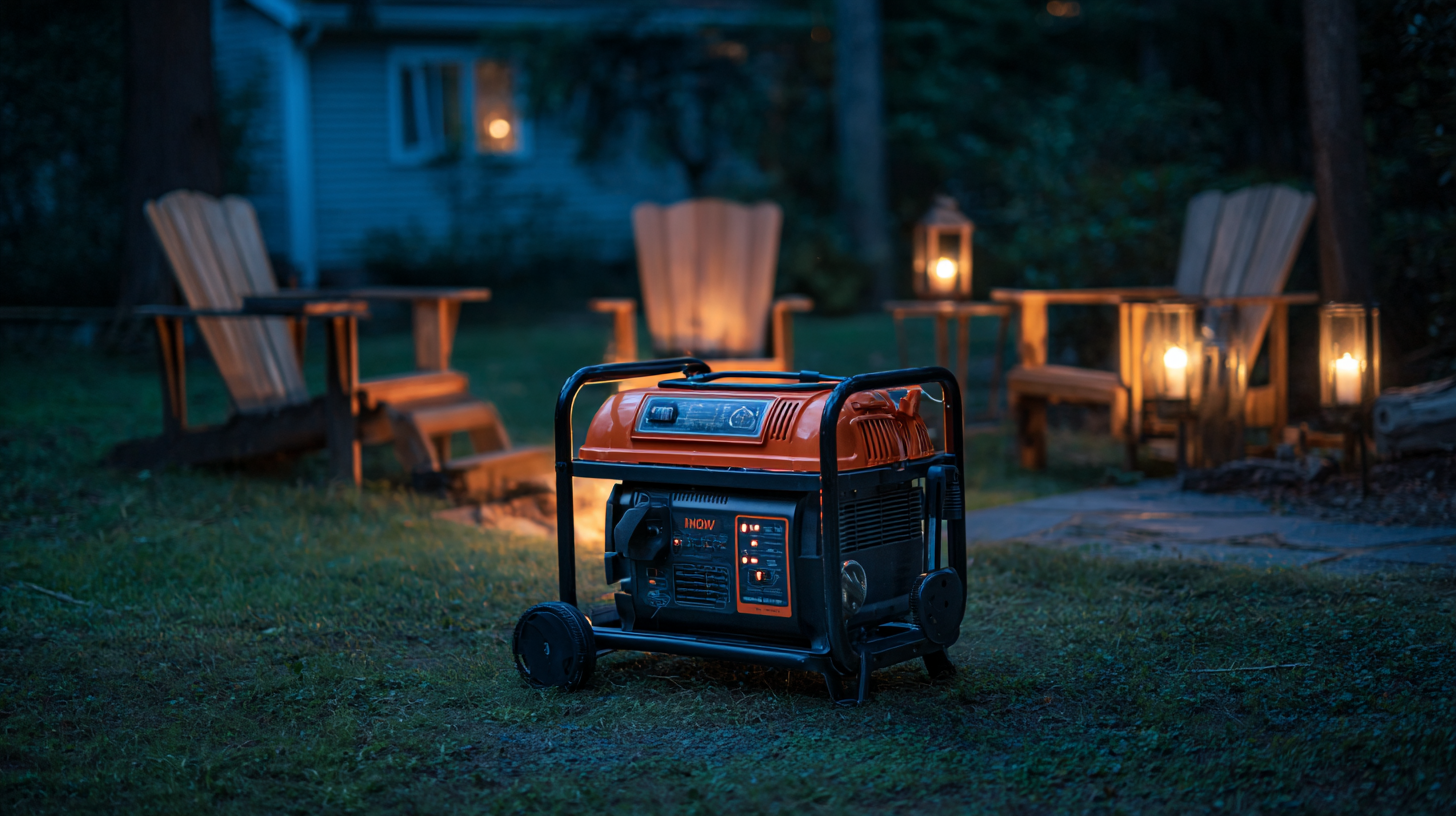
When evaluating the best electric generators for home use in 2023, it's crucial to consider several key factors that impact performance, efficiency, and user satisfaction. According to the latest report by the Electric Power Research Institute, the demand for reliable home power solutions has surged by 30% over the past year, primarily driven by increased frequency of severe weather events and power outages. This has motivated consumers to invest in more robust systems that not only provide backup during outages but also manage to power essential appliances with ease.
In a detailed comparative analysis of top generators, features such as wattage capacity, fuel efficiency, noise levels, and portability emerge as vital metrics. The Consumer Reports 2023 generator benchmarking highlights that models offering dual-fuel capabilities are gaining popularity, reflecting a trend towards versatility and sustainability. Additionally, advances in inverter technology have led to significantly quieter operation, with some units boasting decibel levels as low as 50 dBA, making them suitable for residential areas without disrupting daily activities. By understanding these essential characteristics, homeowners can make informed decisions tailored to their personal energy needs.
10 Best Electric Generators for Home Use in 2023
| Model |
Power Output (Watts) |
Fuel Type |
Run Time (Hours) |
Weight (lbs) |
Price ($) |
| Portable Generator A |
3000 |
Gasoline |
8 |
60 |
499 |
| Standby Generator B |
7500 |
Natural Gas |
24 |
200 |
1999 |
| Inverter Generator C |
2200 |
Gasoline |
10 |
48 |
699 |
| Dual Fuel Generator D |
5000 |
Gasoline / Propane |
11 |
90 |
799 |
| Compact Generator E |
1500 |
Gasoline |
12 |
35 |
349 |
| High-Power Generator F |
10,000 |
Diesel |
14 |
400 |
3499 |
| Eco-Friendly Generator G |
3000 |
Biodiesel |
9 |
70 |
599 |
| Heavy Duty Generator H |
6000 |
Gasoline |
16 |
120 |
1099 |
| Smart Generator I |
4000 |
Gasoline |
15 |
85 |
799 |
| Heavy-Duty Inverter J |
3500 |
Gasoline |
8 |
58 |
599 |
Key Tips for Fuel Efficiency in Home Generators
When considering home generators, fuel efficiency is a crucial factor, particularly in regions with unreliable power supply like Nigeria. A generator that consumes less fuel not only reduces running costs but also extends operation time, ensuring that households remain powered during outages.
To achieve optimal fuel efficiency, it's important to choose generators designed for your specific power needs, whether that be stationary or portable models. Diesel generators, while often more expensive upfront, typically offer better fuel economy compared to gas options, making them a worthwhile investment for those seeking reliability.
Additionally, homeowners should evaluate the power rating of generators. A generator with a higher wattage can support more appliances but may also lead to increased fuel consumption if not matched correctly to household demands. Users should calculate their power requirements to select the most suitable unit, as overloading a generator can adversely affect its fuel efficiency.
Regular maintenance is also vital; keeping air filters clean and ensuring that the fuel system is functioning properly can significantly enhance performance and longevity. By following these tips, homeowners can make informed decisions and optimize their generator's fuel efficiency, paving the way for a more reliable power solution.
Safety Considerations When Using Electric Generators at Home
When considering the use of electric generators at home, safety must be a top priority. The market for gasoline generators has seen significant growth, with numerous reputable players providing high-quality options. However, it is crucial for consumers to be aware of safety risks associated with generator usage, such as carbon monoxide poisoning and fire hazards. According to reports, improper use of generators leads to considerable annual accidents, highlighting the importance of adherence to safety guidelines recommended by manufacturers.
Furthermore, with innovations in fuel cell technology aimed at achieving lower costs and enhanced safety features, there is a promising trend for home energy solutions. As noted in recent market analysis, the introduction of these technologies not only improves operational efficiency but also prioritizes safety—diminishing the risks of leaks and emissions associated with traditional gasoline-powered units. Homeowners must also prepare for seasonal energy requirements; as fall and winter storms approach, ensuring your electric generator is both efficient and secure can prevent outages and enhance your home's resilience during extreme weather conditions.
Top 10 Electric Generators for Home Use in 2023
This bar chart displays the power output of the top 10 electric generators for home use in 2023. Consider these power ratings while choosing a generator to meet your household needs.
Maintenance Tips to Extend the Life of Your Home Generator
Maintaining your home generator is crucial for ensuring its longevity and optimal performance. According to the Electrical Generating Systems Association (EGSA), regular maintenance can extend the lifespan of a generator by up to 50%. This includes routine check-ups at least twice a year, where you should inspect and replace filters, check oil levels, and monitor the battery and electrical connections. A well-maintained generator can frequently last more than 20 years, providing reliable power during outages.
Another essential aspect of maintenance is load testing, which should be performed annually. A study by the National Electrical Manufacturers Association (NEMA) reveals that generators that undergo load testing are less likely to fail during critical times, reducing the chances of unexpected power interruptions. Additionally, keeping your generator clean and free of debris helps prevent overheating and ensures adequate air circulation—critical components for any generator’s efficiency. Implementing these maintenance tips not only helps extend the life of your generator but also guarantees that it performs effectively when you need it the most.