How to Choose the Best Home Backup Generators for 2026?
Choosing the right home backup generators for 2026 is crucial for every homeowner. As power outages become more common, having a reliable generator ensures safety and comfort. Expert Robert D. Lentz, a senior energy analyst, once stated, "A dependable generator is essential for modern living." This insight reflects the growing need for efficient home backup solutions.
In today's market, many options exist for home backup generators. Factors like power output, fuel type, and noise level can greatly influence your choice. Quality generators can provide not just electricity but peace of mind. Yet, the sheer variety can be overwhelming. Choosing the wrong generator could lead to dissatisfaction later.
Home backup generators must be more than just functional. They should align with your lifestyle and requirements. Users often overlook maintenance needs and costs over time. An ill-chosen generator may not only drain your wallet but also fail during critical times. As we approach 2026, understanding these aspects will be vital for every homeowner.
Understanding Home Backup Generators: Types and Features
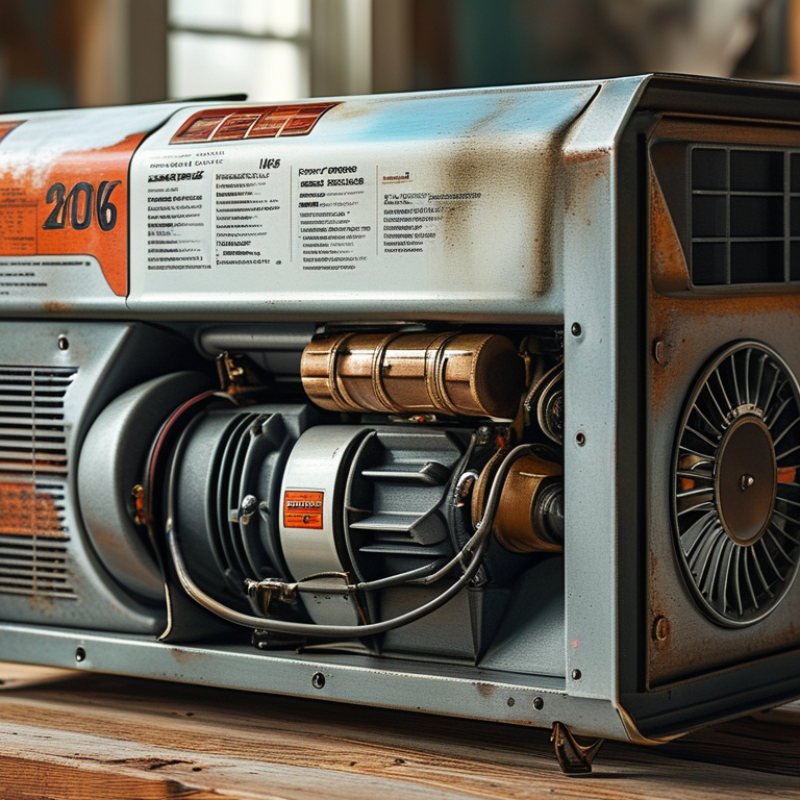
Understanding home backup generators involves knowing the types and essential features that cater to various needs. There are two primary types: portable and standby generators. Portable generators are versatile and great for short outages, while standby generators provide a seamless experience during long power interruptions. According to a report by the Energy Information Administration, nearly 15% of U.S. households experienced power outages in the past year. This statistic highlights the importance of having an efficient backup system.
When evaluating features, look for wattage output. A generator’s wattage determines what appliances you can power. For instance, a generator with 5,000 watts can typically run essential appliances like refrigerators and heaters during outages. Noise level is another critical aspect. Many homeowners prefer quieter models, especially in residential areas. Data from the Generator Manufacturers Association indicates many homeowners prioritize low-noise options to minimize disruptions. The average noise level for residential models ranges from 50 to 70 decibels.
Consider fuel type as well. Gasoline, natural gas, and propane each have pros and cons. Gasoline generators are common, but they require frequent refueling. Natural gas systems offer convenience, yet they depend on infrastructure. Propane generators provide great flexibility but might have limited availability. Reflecting on these factors helps ensure you select a generator that best fits your backup needs for 2026.
Assessing Power Needs: Calculating Wattage Requirements
When selecting a home backup generator for 2026, understanding wattage requirements is crucial. Many homeowners overlook this aspect. Calculating the necessary wattage helps ensure that essential appliances remain operational during a power outage. According to the U.S. Department of Energy, an average home requires between 5,000 and 7,500 watts to power critical systems. This range can cover refrigerators, lights, and communication devices.
To assess individual needs, start by identifying key appliances. Each device has a specific starting and running wattage. For instance, a refrigerator typically needs around 2,000 watts to start but only 700 watts to run. These specifics often get lost in estimates. It’s not uncommon for homeowners to underestimate their total wattage requirement. A detailed inventory of appliances, alongside their wattage ratings, creates a clearer picture of necessity during an outage.
Moreover, consider possible future power needs. As more homes incorporate smart technology, wattage demands may increase. The National Renewable Energy Laboratory notes that smart devices can draw an additional 100-200 watts collectively. Ignoring this trend may lead to insufficient power supply during emergencies. An adaptable assessment ensures that families are well-prepared without excess expenditure. Balancing immediate power needs with future requirements is key in choosing the best generator.
Evaluating Fuel Sources: Gasoline, Propane, and Diesel Options
When considering the best home backup generators for 2026, evaluating fuel sources is a crucial step. Gasoline is a common choice, widely available and easy to use. However, it poses safety risks when stored in large quantities. Fuel stability can be an issue, especially during extended outages. Propane, on the other hand, burns cleaner and has a longer shelf life. It's an excellent choice for those looking for efficiency and environmental considerations. But, it requires special storage tanks, which can be an added hassle.
Diesel generators are known for their durability and fuel efficiency. They are often favored for heavy-duty use. However, diesel fuel can be harder to find in emergencies, and storage conditions are critical. The potential for degradation over time raises concerns. Each option presents unique advantages and disadvantages. It's essential to weigh factors like availability, storage needs, and environmental impact before deciding. Reflecting on personal needs and local fuel availability is vital in this decision-making process.
How to Choose the Best Home Backup Generators for 2026? - Evaluating Fuel Sources: Gasoline, Propane, and Diesel Options
| Fuel Source |
Power Output (kW) |
Run Time (Hours) |
Fuel Efficiency (hours/gallon) |
Cost per Gallon/Unit |
Maintenance Frequency |
| Gasoline |
5 - 10 |
5 - 8 |
3 - 6 |
$3.00 |
Every 50 hours |
| Propane |
8 - 12 |
8 - 12 |
4 - 7 |
$2.50 |
Every 100 hours |
| Diesel |
10 - 20 |
10 - 20 |
6 - 10 |
$3.50 |
Every 200 hours |
Key Features to Consider: Portability, Noise Levels, and Maintenance
When selecting a home backup generator for 2026, portability is essential. Many homeowners prefer models that are easy to transport. According to the Portable Generator Manufacturers Association, over 65% of consumers value lightweight options for ease of storage and mobility. A generator weighing below 50 pounds is often manageable for most users. Features like wheels enhance transportability, allowing users to move the unit without hassle.
Noise levels are another significant factor to consider. Data from the Sound Research Institute reveals that generators operating above 60 decibels can disrupt daily life. Many homeowners seek models that maintain low decibel ratings, ensuring a quieter environment during power outages. This becomes crucial in residential settings, where high noise can lead to complaints from neighbors.
Maintenance requirements also play a vital role in the decision-making process. Generators that need frequent oil changes and extensive upkeep may deter potential buyers. Research from the Home Energy Assessment Institute indicates that units requiring less frequent servicing appeal to 70% of consumers. Easy accessibility to parts and straightforward user manuals enhance the reliability of a backup generator. Choosing a model with easily obtainable maintenance supplies can save both time and frustration for users.
Budgeting Wisely: Choosing Generators That Fit Your Price Range
When selecting a home backup generator, budgeting is crucial. Industry reports indicate that average generator costs range from $500 to $5,000. The price impacts both features and capacity. Lower-end models may only power essential devices, while premium options can support larger appliances, heating systems, and air conditioning.
It's essential to assess your specific needs before purchasing. Consider the wattage required to power your home during an outage. Data suggests that a typical household may need between 3,000 to 7,500 watts. Also, factor in installation costs, which can add another $1,000 to $3,000 depending on local regulations and complexity. Unexpected expenses can arise, highlighting the need for realistic budgeting.
Evaluate your long-term plans. Investment in a generator should consider future electricity needs. A generator that seems affordable may not meet growing demands over time. Inconsistent power supplies can disrupt daily life; therefore, ensuring a reliable backup should align with financial preparations. Reflecting on these points can guide a more informed decision.