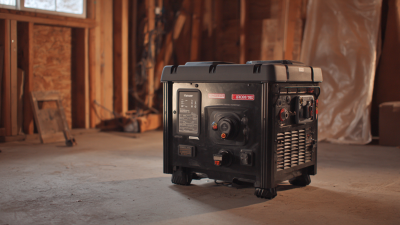
Best Home Generators for Power Outages What to Choose?
In recent years, the importance of home generators for power outages has become increasingly clear. According to renewable energy expert Dr. Emily Carter, "Being prepared with a home generator can be the difference between comfort and chaos during an outage." Power outages can happen unexpectedly, making it crucial to have reliable backup options.
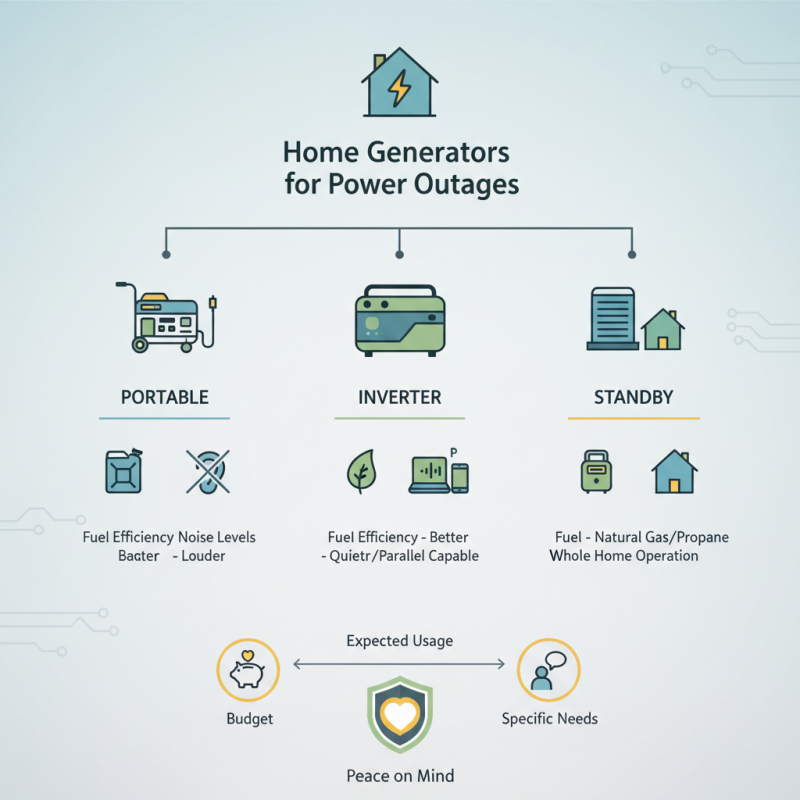
Focusing on home generators for power outages, consumers often face an overwhelming selection. Different types exist: portable, inverter, and standby generators. Each type has its benefits and drawbacks, which can complicate the decision-making process. Choosing the right generator depends on your specific needs, expected usage, and budget.
Surprisingly, many homeowners overlook essential features. Not all generators are created equal. For instance, noise levels, fuel efficiency, and ease of use should also be considered. Investing time to understand these factors can make a significant difference, ensuring you select the best home generator for your needs. Ultimately, the right choice can provide peace of mind, even when the lights go out.
Factors to Consider When Choosing a Home Generator
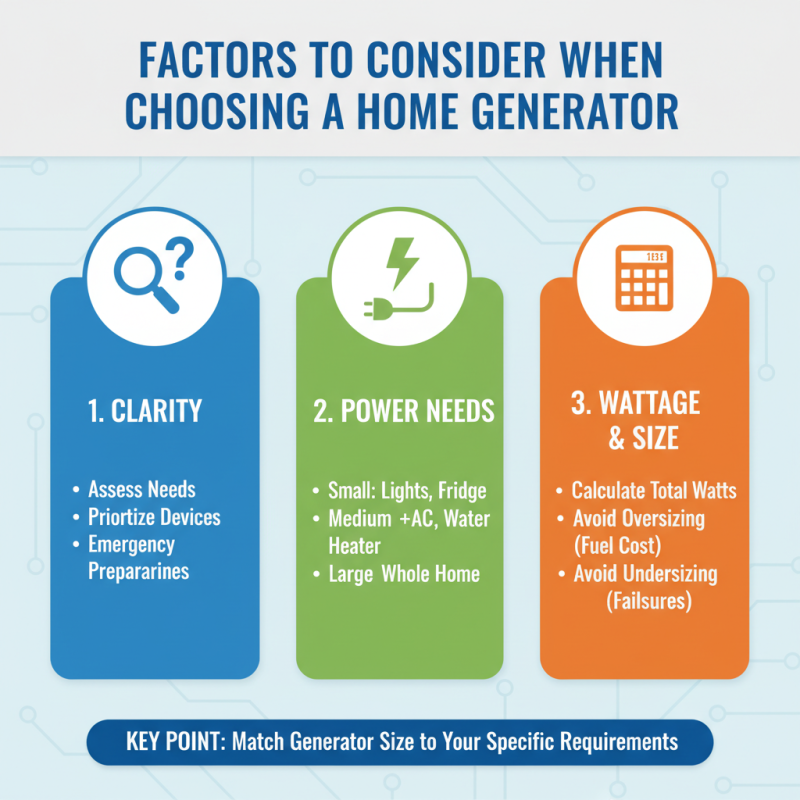
When choosing a home generator, clarity is essential. Think about power needs first. A small generator may suffice for basic lights and refrigerator. Larger models can power multiple appliances simultaneously. Calculate wattage requirements carefully. Oversizing can lead to excessive fuel costs. Under-sizing risks failing to power critical devices during an outage.
Portability is another key factor. If you plan to move the generator frequently, opt for lightweight designs. Built-in wheels enhance mobility, making transport much easier. Noise levels are often overlooked yet crucial. Quiet generators prevent disruptions, especially in residential areas. Read user reviews on noise performance for real-world insights.
Consider fuel options too. Gasoline generators are common but may leave you searching for fuel during storms. Propane-powered models offer longer storage life and fewer emissions. Be mindful of maintenance. Regular upkeep ensures efficient performance and longevity. Some may find maintenance daunting, yet familiarity improves reliability over time. Ultimately, choosing the right generator involves thoughtful consideration of these elements. Each person's situation varies, so reflect on personal needs for the best fit.
Types of Home Generators: Standby vs. Portable
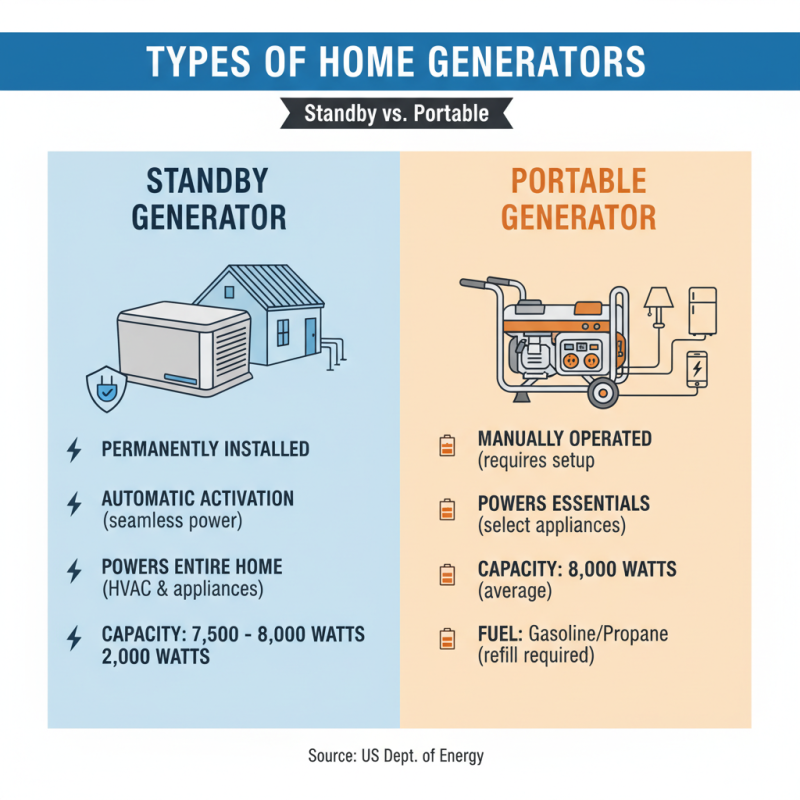
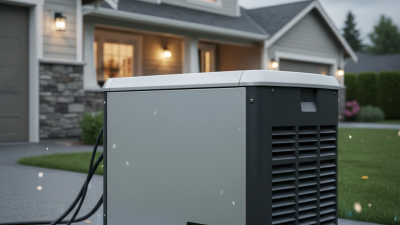
When considering home generators, homeowners have two primary options: standby generators and portable generators. Standby generators are permanently installed and automatically activate during a power outage. According to the U.S. Department of Energy, these units provide a seamless power experience, often having larger capacities to power entire homes. Typically, they can deliver between 7,500 to 20,000 watts, covering essential appliances and HVAC systems.
On the other hand, portable generators are versatile and can be moved as needed. They often provide lower wattage, ranging from 1,000 to 10,000 watts. Many families prefer these for their affordability and flexibility. The National Electrical Manufacturers Association (NEMA) suggests that portable generators can effectively power essential circuits while offering the ability to take them on the go for outdoor activities.
**Tips:** Assess your power needs before choosing. Calculate the wattage required for critical appliances. Also, consider your usage frequency. If power outages are rare in your area, a portable generator may suffice.
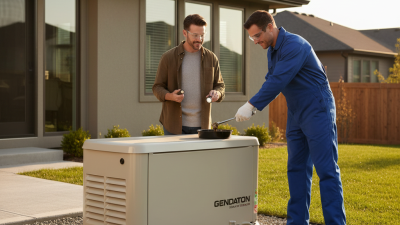
Another key aspect is maintenance. Standby generators require regular servicing, while portable units need proper fueling and storage. Improper maintenance can lead to failures when you need them most. Remember to check local regulations regarding noise levels and emissions as well, as these can impact your generator choice.
Key Features to Look for in a Home Generator
Choosing the right home generator can be challenging. Key features will help guide your decision. Consider the power output. It should meet your home's needs during an outage. A generator’s wattage rating indicates how much power it can provide. Higher wattage means you can run more appliances.
Another crucial aspect is fuel type. Generators commonly use gasoline, propane, or diesel. Each fuel type has its pros and cons. Gasoline is easy to find but has a short shelf life. Propane lasts longer but may require a bulk tank. Evaluate what's available in your area and your storage capabilities.
Tips: Think about portability. A lightweight generator can be moved if necessary. Noise levels matter too. Many generators can be noisy, which can be disruptive. Look for models designed to operate quietly. Always remember, safety features are vital, such as automatic shut-off and grounding protection. A reliable generator should prioritize your safety as much as your comfort.
Best Home Generators for Power Outages - Key Features to Look For
Top Brands and Models of Home Generators for Power Outages
When facing power outages, choosing the right home generator is crucial. Many homeowners consider factors such as power output and fuel type before making a decision. According to industry reports, nearly 60% of families prefer gasoline generators for their affordability and availability. However, propane and solar generators are rising in popularity for their environmental benefits and efficiency.
Top brands typically offer models ranging from 1,000 to over 7,000 watts. Generators with higher wattage can power essential appliances, but they come at a higher cost. It’s essential to compare features. For instance, noise levels can be a concern. Some models operate quietly, making them more suitable for residential areas.
Choosing the right generator can also involve trade-offs. Higher fuel efficiency often leads to less emissions, but it may mean lower power output. Consumers often weigh initial expenses against long-term savings. Consulting reviews and expert guides can provide valuable insights, yet individual needs should guide the final choice.
Best Home Generators for Power Outages - Comparison Table
| Model |
Power Output (Watts) |
Fuel Type |
Run Time (Hours) |
Noise Level (dB) |
Weight (lbs) |
| Model A |
7500 |
Gasoline |
10 |
65 |
200 |
| Model B |
5000 |
Propane |
12 |
58 |
115 |
| Model C |
10000 |
Dual Fuel |
8 |
70 |
225 |
| Model D |
4500 |
Gasoline |
15 |
53 |
95 |
| Model E |
6000 |
Diesel |
10 |
68 |
210 |
Maintenance Tips for Ensuring Your Generator Works Effectively
Proper maintenance of home generators is essential for ensuring reliability during power outages. According to the National Fire Protection Association, nearly 60% of generator failures are due to improper maintenance. Regular checks can prevent unexpected issues and enhance your unit's performance.
Routine maintenance includes checking the oil levels, replacing filters, and inspecting spark plugs. Many experts recommend changing the oil every 50 to 100 hours of operation. Fuel stability is another critical factor; fuel can degrade over time. Using a fuel stabilizer helps extend its shelf life, ensuring your generator is ready when needed.
Additionally, testing your generator monthly is vital. Run it for at least 30 minutes to keep the engine lubricated and the battery charged. However, some users forget this step. This oversight can lead to mechanical issues. Document maintenance activities, noting the tasks performed and any irregularities. Tracking these details can help identify potential problems early, ensuring your generator remains reliable during emergencies.