Best Power Generator for Home Use What to Consider?
When choosing a power generator for home use, various factors come into play. Homeowners must assess their energy needs carefully. Are you looking for a backup during outages? Or do you need consistent power for outdoor activities? This decision involves more than just picking a brand.
Understanding power requirements is essential. Calculate how much wattage your home needs, especially for essential appliances. Many people overlook this step, which can lead to purchasing inadequate units. It's crucial to explore options like portable versus standby generators. Each serves different purposes and has unique advantages.
In addition to power needs, consider fuel type, noise levels, and maintenance. Some generators run on gas, while others use propane or diesel. Each fuel type has its pros and cons. Balancing performance and reliability is vital for a satisfactory purchase. Ultimately, investing time in research will pay off. A suitable power generator for home ensures comfort and safety, even in unexpected situations.
Factors to Evaluate Before Selecting a Home Power Generator
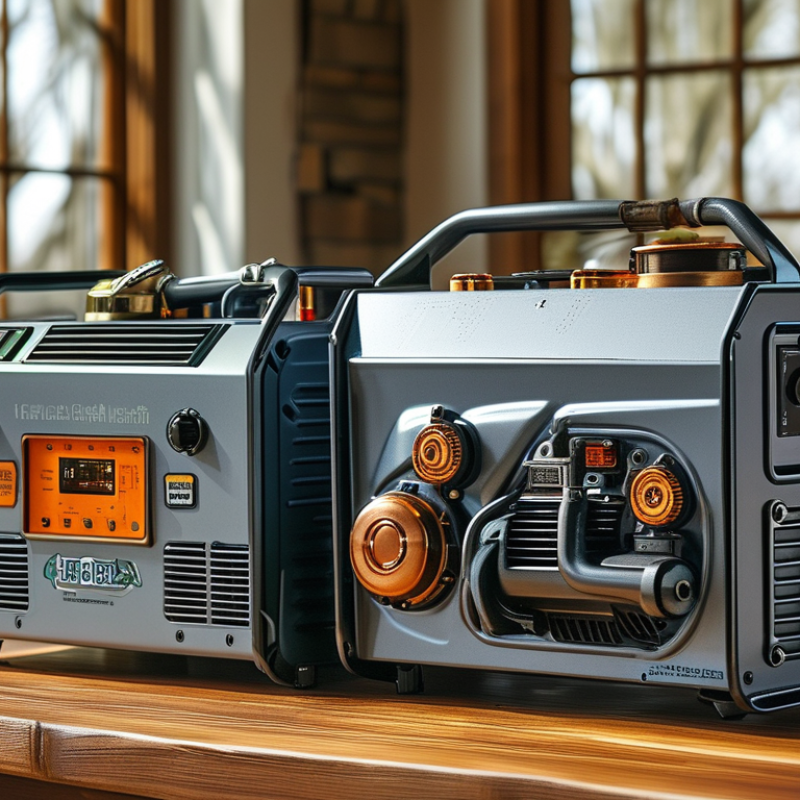
When choosing a power generator for home use, several factors are crucial. Determine your power needs by calculating the wattage of essential appliances. This ensures you select a generator with sufficient output. Consider whether you need a portable unit for temporary outages or a standby generator for longer-term use. Each option has unique installation requirements and costs.
Fuel type plays a vital role. Gasoline, diesel, propane, and natural gas are common choices. Each fuel type has its advantages and limitations. For example, gasoline generators are generally more portable but may require more frequent refueling. Efficiency and noise levels also vary significantly among models. It's crucial to weigh these factors against your home environment.
Safety features are essential too. Look into models with automatic shut-off mechanisms to prevent overheating or carbon monoxide leaks. User reviews can offer valuable insights into reliability and performance over time. A good generator should be easy to maintain and come with clear instructions. Reflect on your living situation and local regulations regarding generator use to find the best match for your needs.
Understanding Different Types of Power Generators for Home Use
When choosing a power generator for home use, understanding the different types can be overwhelming. There are three main categories:
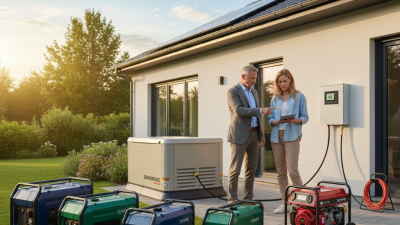
portable, standby, and inverter generators. Each serves distinct purposes and fits various needs.
Portable generators are ideal for small tasks like powering tools or recreational activities. They are lightweight and easy to transport, but their power output is limited.
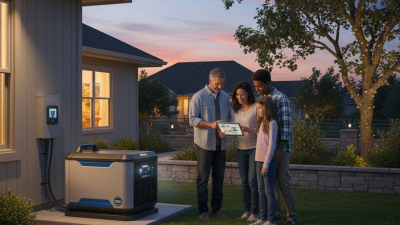
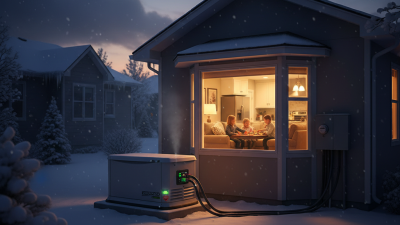
Standby generators are permanently installed and connect directly to your home’s electrical system. They automatically kick in during an outage, providing reliable power.
However, their installation can be costly. Inverter generators are another option, known for producing cleaner power.
They are quieter and more fuel-efficient, but might not generate enough energy for larger appliances. Before making a decision, consider your power needs and frequency of use.
It’s also essential to think about fuel availability and maintenance requirements. Each generator type has advantages and disadvantages.
Reflecting on your unique circumstances will lead to a more informed choice. Remember, the goal is to ensure that your home remains powered and safe during outages.
Key Features to Look for in a Residential Power Generator
When choosing a power generator for home use, there are several key features to consider. First, identify the generator's power output. Most households require between 3,000 to 7,500 watts to support essential appliances during an outage. According to the U.S. Department of Energy, approximately 70% of households will experience a power interruption lasting over an hour each year. This statistic highlights the importance of having a reliable backup power source.
Another crucial feature is the fuel type. Generators can run on gasoline, propane, or diesel. Gasoline-powered generators are generally more common and user-friendly, but propane models often provide a longer storage life and lower emissions. Additionally, noise level is a significant factor. The average generator emits about 60 to 70 decibels, which can be disruptive. Some manufacturers offer models with noise dampening technology, significantly reducing sound to around 50 decibels.
Safety features must not be overlooked. Look for generators equipped with an automatic shut-off feature to prevent overheating. Also, ensure that the unit has carbon monoxide sensors for added protection. Around 200 people in the U.S. die annually from carbon monoxide poisoning related to generator use, indicating the importance of safety considerations. Understanding these features can guide your decision, ensuring you select a generator tailored to your home's power needs with an emphasis on safety and practicality.
Assessing Power Needs and Load Requirements for Your Home
When choosing a power generator for your home, understanding your power needs is crucial. Start by assessing what appliances and systems you frequently use. Consider essential items like refrigerators, lights, and heating or cooling systems. Each device has a wattage requirement, and adding these together gives you a baseline for your needs.
It’s also important to consider startup versus running wattage. Some machines need more power to start than to run continuously. For instance, air conditioners and refrigerators can spike in energy use momentarily. Your generator should accommodate these peaks.
Think about your lifestyle and any potential emergencies. Will you need backup power for multiple days? Analyzing these factors can make your selection process feel overwhelming. Sometimes, people underestimate their needs and end up with insufficient power. Reflect on your daily energy consumption and future plans to make an informed choice.
Tips for Maintenance and Safety When Using Home Power Generators
When using home power generators, safety and maintenance are crucial. According to the U.S. Consumer Product Safety Commission, approximately 70 deaths occur annually due to carbon monoxide poisoning from portable generators. Proper ventilation is essential to prevent these accidents. Always place generators outside, at least 20 feet away from doors and windows. Install a carbon monoxide alarm for additional protection. This is an easy step that can save lives.
Regular maintenance is another key factor. A report by the National Fire Protection Association recommends checking the oil, fuel, and battery status monthly. Clean the air filter frequently. Neglecting these tasks can lead to diminished performance or even generator failure. It's worth reviewing your owner's manual for specific maintenance schedules. Many users overlook this, leading to unsafe operating conditions.
Additionally, load management helps maintain generator health. Overloading can cause overheating and damage. Always match the load with the generator’s capacity. For example, a generator rated for 3,000 watts should not power devices that require more than that. Familiarize yourself with the wattage of appliances to ensure safe operation. Generators can be reliable power sources, but only when used correctly.