Choosing the right power generators is rarely about finding the largest engine or the lowest advertised price. Global buyers face different climates, fuel systems, voltage standards, transport limits, and service conditions. A reliable choice in Dubai may perform differently in Nairobi, Manila, or a remote Canadian worksite.
This guide examines ten leading options through practical buying criteria. These include rated output, starting capacity, fuel efficiency, noise levels, emissions compliance, enclosure quality, portability, and warranty support. Real operating details matter. A 5,000-watt generator may run lights and refrigeration, yet struggle when a pump starts suddenly. A diesel model may offer long service life, but its weight and maintenance needs can challenge small businesses.
Field experience helps reveal those differences. Product specifications come from manufacturers, while performance claims should be checked against independent testing and regional certification requirements. Buyers should confirm voltage, frequency, plug design, and after-sales support before ordering internationally. Spare parts availability can matter more than a polished brochure.
There is no perfect generator.
This ranking aims to clarify trade-offs rather than promise universal results. Some models may be excellent for emergency backup but unsuitable for quiet residential areas. Others may deliver strong commercial performance but require skilled maintenance. Fuel prices, operating hours, and local rules can change the final value significantly. Even trusted brands are not immune to limitations. Careful comparison remains essential, especially when one overlooked detail can leave critical equipment without power.
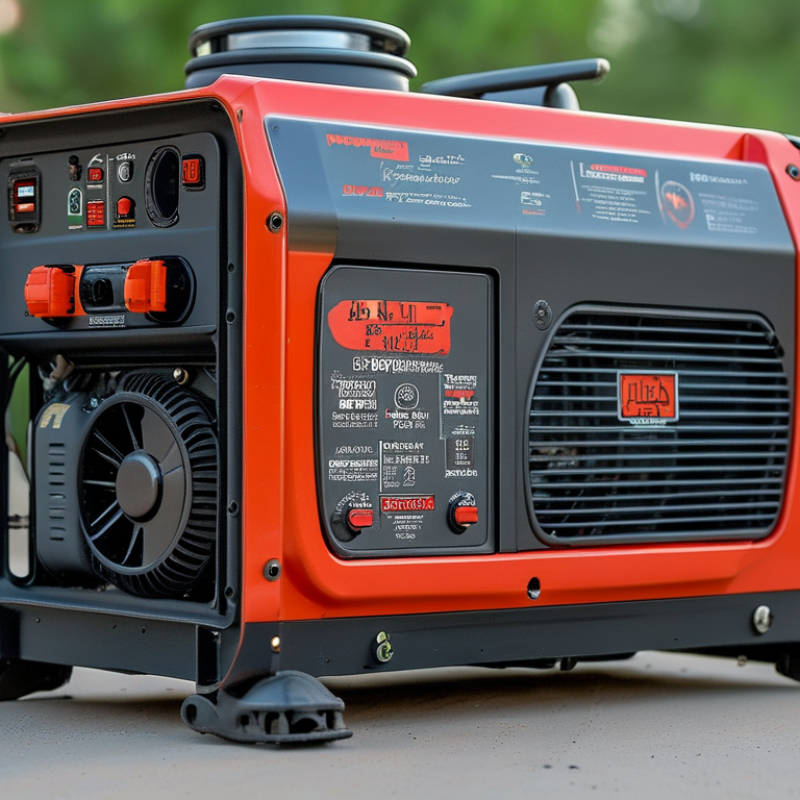
A suitable power generator must perform reliably across different climates, grids, and working conditions. Voltage and frequency options matter because electrical systems vary by region. A unit designed for one market may fail elsewhere without proper configuration. Check the rated output, starting capacity, fuel consumption, and operating hours before purchase. A generator should also include clear manuals, safety instructions, and recognized testing documentation.
Field experience shows that simple maintenance often matters more than impressive specifications. Buyers should inspect access to filters, batteries, lubricants, and replacement parts. Local technicians need practical training, not only technical brochures. Strong protection against dust, humidity, heat, and cold can extend service life. Noise control is also important near homes, hospitals, and temporary work areas. No generator is perfect. Even a well-built unit may underperform when installation is rushed.
Tips:
Compare continuous power with peak power. Confirm local voltage and frequency requirements. Ask about spare-part availability and service response times. Test the generator under realistic loads before relying on it. Keep fuel clean and store it safely. Remember that “global” does not always mean suitable for every location. Regional conditions still require careful review.
Choosing among the top 10 power generators requires more than comparing rated output. Generator types determine fuel access, operating cost, noise, and suitability for each country.
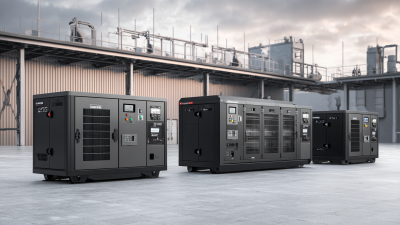
Diesel generators remain practical for construction sites, hospitals, ports, and remote mining areas. They handle long operating hours and heavy loads, but fuel quality and maintenance support must be checked locally. Gas generators produce cleaner combustion where pipeline or liquefied gas is dependable. They suit factories, commercial buildings, and backup systems in regions with stable gas infrastructure. Gasoline models are lighter and useful for short outdoor tasks, although their fuel storage needs extra care.
Inverter generators provide steady electricity for medical instruments, communication equipment, and sensitive electronics. Their compact size helps mobile teams, but output may not cover large motors. Hybrid systems combine solar panels, batteries, and an engine. They can reduce fuel use at field offices or island facilities, yet battery replacement costs are easy to underestimate. Power take-off generators may serve farms with compatible tractors, especially where agricultural equipment is already available.
International buyers should confirm voltage, frequency, phase configuration, plug standards, emissions rules, and local certification requirements. Climate matters too. Dusty deserts need stronger filtration, while humid coastal areas demand corrosion protection. A generator that performs well in one market may fail elsewhere because spare parts arrive slowly. I have seen projects choose capacity from peak wattage alone, then struggle with motor-starting loads. Load testing and a realistic maintenance plan should come before the purchase order.
Comparing generators by performance and value requires more than reading peak wattage. The IEA’s Electricity 2024 report projected global electricity demand growth of about 4% in 2024 and 2025. That pressure makes dependable backup power increasingly important. For each model, buyers should check prime power, standby output, fuel use, voltage stability, and response during sudden load changes. A generator rated at 500 kW may perform poorly if it cannot handle motors, pumps, or refrigeration equipment.
The strongest choices balance output with operating cost. ISO 8528 guidance supports comparing generator sets under defined performance conditions, rather than relying on promotional figures. Test fuel consumption at 50%, 75%, and 100% load. The result can change sharply. Sound levels also matter in hospitals, hotels, and dense work sites. A quieter enclosure may cost more, but it can reduce installation problems and complaints.
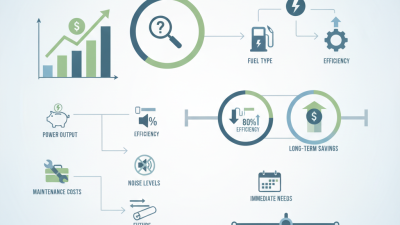
Value is a long-term calculation. The World Bank reports that electricity access and reliability remain uneven across many developing regions, so service support and spare-parts availability deserve equal attention. I would not rank a cheap unit highly if filters, batteries, or controllers are difficult to source. Maintenance records are useful, though they are not perfect. Real fuel quality, dust, heat, and poor load sizing can reduce performance. Small details matter. A practical comparison should include purchase price, fuel cost, maintenance intervals, warranty coverage, emissions compliance, and expected service life.
The ten best generators are not simply the loudest or most powerful. For global buyers, fuel efficiency begins with correct sizing, not an oversized engine. Compare rated and standby output, then match the unit to motors, heaters, and sensitive electronics. A diesel or gas engine may use less fuel under steady loads, while poor loading wastes energy. Look for automatic voltage regulation, economy mode, and a clear fuel-consumption chart. Real measurements matter more than attractive catalog claims. A practical mistake is choosing maximum wattage without checking daily load patterns.
Safety depends on more than a circuit breaker. Choose overload protection, grounding guidance, low-oil shutdown, thermal protection, and a secure fuel system. Install the generator outdoors, far from doors and windows, with adequate clearance and weather protection. Carbon monoxide can accumulate quickly. For reliability, inspect the alternator, cooling system, noise controls, service intervals, and spare-parts availability. Global buyers should confirm local voltage, frequency, plug standards, emissions rules, and qualified service support. Independent testing documents and traceable manuals strengthen confidence, but they do not replace proper installation. No model is perfect.
Tips: Run the generator monthly under a meaningful load, not only at idle. Keep fuel clean and stored legally. Record runtime, voltage, and maintenance dates. Test transfer equipment with a licensed technician. Leave space for servicing. Even experienced users sometimes ignore ventilation after installation, so review the site whenever the layout changes.
A top-ten generator list is only a starting point for global buyers. Choosing well begins with your market, not a ranking. Confirm local voltage, frequency, plug configuration, and permitted fuel types. An engine designed for 60 Hz may not suit a 50 Hz network. Check continuous output, not only the attractive peak number. List refrigerators, pumps, tools, and starting currents. Add a realistic reserve, usually 20 to 30 percent. Small errors become expensive.
Climate changes performance. At high altitude, thin air can reduce engine output. Hot, dusty sites need suitable cooling, filtration, and maintenance access. For hospitals, workshops, or remote homes, transfer equipment and grounding require qualified local review. Ask for test records, manuals, spare-part availability, warranty terms, and service training. Independent inspection before shipment adds useful evidence. Do not accept a certification logo without checking its scope and issuing authority.
Tips: Compare total operating cost over several years. Include fuel use, transport, scheduled servicing, noise control, and replacement parts. Measure the installation space with the doors open. Check whether one trained technician can reach the filters and battery. Some buyers focus on purchase price and regret ignoring noise, transport weight, and fuel storage. That mistake is easy to make. No checklist is perfect; market conditions change, and assumptions deserve another review.
| Rank | Generator Configuration | Typical Rated Output | Fuel Options | Phase | Common Voltage | Frequency | Typical Runtime at 50% Load | Approx. Operating Noise | Best Use | Key Selection Factor |
|---|---|---|---|---|---|---|---|---|---|---|
| 1 | Compact Inverter Generator | 1.6–2.5 kW | Petrol | Single-phase | 120 V or 230 V | 50 or 60 Hz | 8–12 hours | 50–60 dB(A) | Camping, mobile work, small electronics and emergency lighting | Low noise, clean power quality, low weight and easy transport |
| 2 | Portable Dual-Fuel Generator | 3.0–5.5 kW | Petrol or LPG | Single-phase | 120 V, 230 V or 240 V | 50 or 60 Hz | 8–14 hours | 65–75 dB(A) | Household backup, small workshops and temporary field applications | Local fuel availability, starting method and required starting surge |
| 3 | Open-Frame Portable Diesel Generator | 5–8 kW | Diesel | Single- or three-phase | 230/400 V or 120/208 V | 50 or 60 Hz | 8–12 hours | 70–80 dB(A) | Construction sites, agricultural equipment and outdoor backup power | Fuel efficiency, service access, protection rating and mobility |
| 4 | Enclosed Silent Diesel Generator | 8–15 kW | Diesel | Single- or three-phase | 230/400 V or 120/208 V | 50 or 60 Hz | 10–18 hours | 55–70 dB(A) | Residential backup, retail locations and noise-sensitive worksites | Sound attenuation, weather protection, automatic transfer compatibility |
| 5 | Industrial Three-Phase Diesel Set | 20–30 kVA | Diesel | Three-phase | 400/230 V or 480/277 V | 50 or 60 Hz | 8–20 hours | 68–78 dB(A) | Small factories, commercial buildings and irrigation systems | Motor-starting capacity, alternator quality and continuous-duty rating |
| 6 | Medium Commercial Diesel Generator | 40–60 kVA | Diesel | Three-phase | 400/230 V or 480/277 V | 50 or 60 Hz | 10–24 hours | 70–80 dB(A) | Office buildings, supermarkets, clinics and telecom sites | Automatic start, load-step performance and fuel-tank capacity |
| 7 | Large Standby Diesel Generator | 80–125 kVA | Diesel | Three-phase | 400/230 V or 480/277 V | 50 or 60 Hz | 12–24 hours | 72–82 dB(A) | Hotels, data rooms, hospitals and medium-sized industrial facilities | Standby versus prime rating, emissions rules and maintenance support |
| 8 | Containerized Prime-Power Generator | 200–300 kVA | Diesel | Three-phase | 400/230 V or 480/277 V | 50 or 60 Hz | 18–36 hours | 75–85 dB(A) | Remote projects, mining operations and large construction sites | Prime-power duty cycle, parallel operation and logistics requirements |
| 9 | Natural-Gas or LPG Generator | 30–150 kW | Natural gas or LPG | Three-phase | 400/230 V or 480/277 V | 50 or 60 Hz | 12–24 hours, depending on gas supply | 60–75 dB(A) | Urban facilities, cleaner-energy projects and sites with stable gas access | Gas pressure, local emissions requirements and fuel continuity |
| 10 | Hybrid Solar-Battery-Diesel Power System | 10–100 kW generator module | Diesel with solar and battery storage | Single- or three-phase | 230/400 V or 480 V | 50 or 60 Hz | Variable; reduced by solar and battery capacity | 55–80 dB(A) while the engine operates | Remote telecom, off-grid facilities and sites with variable loads | Solar resource, battery autonomy, control-system compatibility and lifecycle cost |
Note: Specifications are representative market ranges rather than guarantees for a specific product. Before purchasing, verify local voltage and frequency, applicable emissions regulations, altitude and temperature derating, fuel quality, duty rating, spare-parts availability, and after-sales service coverage.