Best Small Generators for Home Use in 2023 Top Picks and Reviews
In an age where reliable power supply is increasingly essential, small generators have emerged as a practical solution for home use. Whether you are preparing for a sudden power outage, planning a camping trip, or need a backup power source for your outdoor events, having a small generator offers convenience and peace of mind. These portable power sources are designed to be compact yet powerful enough to meet your essential energy needs without taking up too much space.
As we delve into the best small generators for home use in 2023, we'll explore top picks that stand out for their efficiency, portability, and user-friendly features. From providing enough wattage for basic appliances during emergencies to serving as a companion for recreational activities, the right small generator can make a significant difference in your daily life. Join us as we review and compare the leading options on the market, helping you make an informed decision for your power needs.
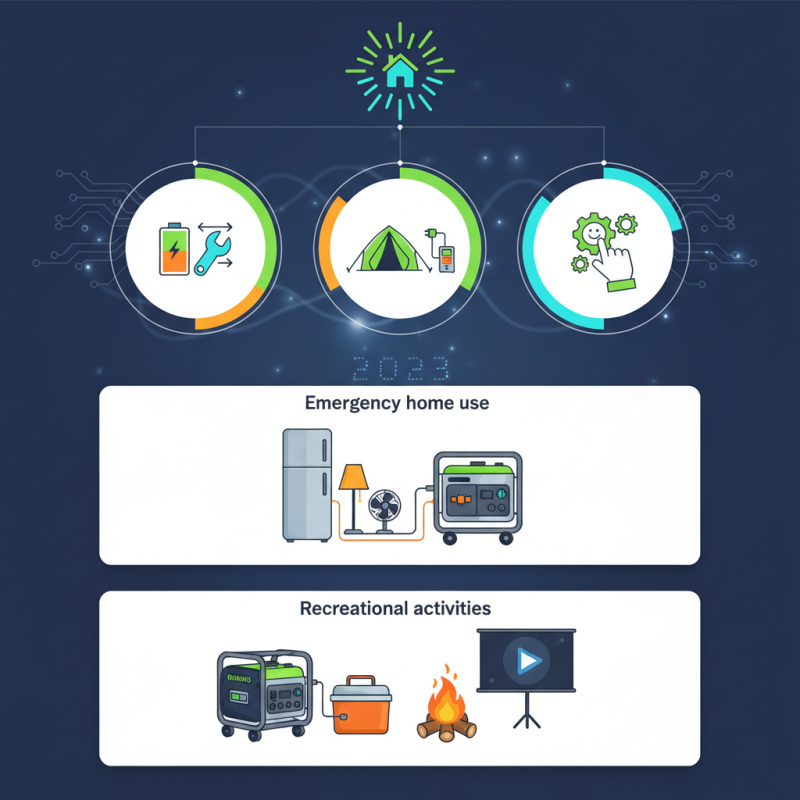
Types of Small Generators Suitable for Home Use
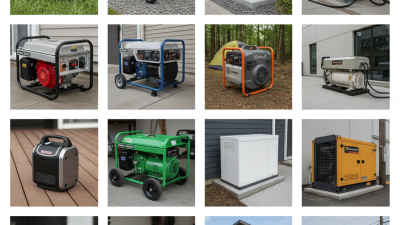
When considering a small generator for home use, it's essential to understand the different types available. The most common types include portable gas-powered generators, inverter generators, and solar-powered generators. Portable gas-powered generators are versatile and can provide substantial power for a variety of appliances, making them ideal for emergency backup during outages. In contrast, inverter generators are quieter, fuel-efficient, and provide clean energy, making them perfect for sensitive electronics like computers and smartphones.
Solar-powered generators represent an eco-friendly alternative, harnessing energy from the sun to charge batteries and power appliances. While they may require a larger initial investment, they offer long-term savings and sustainability. When choosing the right generator, consider factors such as your power needs, the noise level, fuel availability, and portability.
**Tips:** Always assess your power requirements before making a purchase to ensure the generator can handle your essential appliances. Additionally, read reviews and compare features to find the best fit for your home. Consider investing in an extension cord designed for outdoor use, as this will enhance safety when connecting your generator to your home.
Best Small Generators for Home Use in 2023 - Top Picks and Reviews
| Generator Type |
Power Output (Watts) |
Fuel Type |
Runtime (Hours) |
Weight (lbs) |
| Portable Inverter |
2000 |
Gasoline |
8 |
47 |
| Heavy-Duty Generator |
3500 |
Propane |
12 |
85 |
| Solar Generator |
1500 |
Solar |
Unlimited (with Sunlight) |
35 |
| Dual Fuel Generator |
3000 |
Gas and Propane |
10 |
60 |
| Inverter Generator |
2200 |
Gasoline |
7.5 |
48 |
Key Features to Consider When Choosing a Small Generator
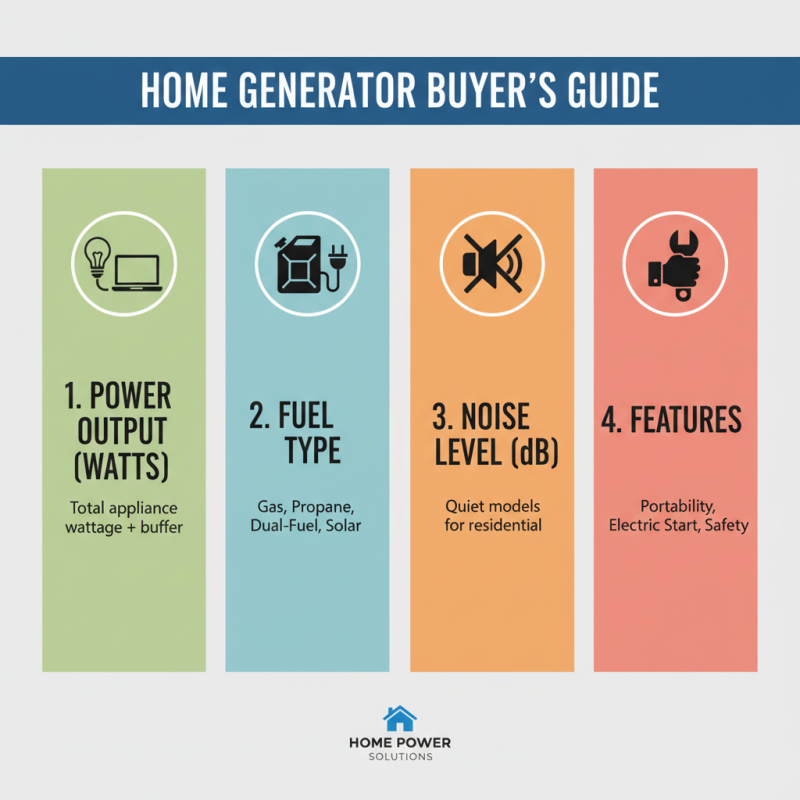
When choosing a small generator for home use, it’s essential to consider several key features that will ensure you select the best option for your needs. First and foremost is the generator's power output, typically measured in watts. Determine the total wattage of the appliances you plan to power during an outage, and opt for a generator that exceeds that requirement. This will allow you to run multiple devices simultaneously without risking overload.
Another important feature to look at is fuel efficiency. Generators that consume less fuel while providing the necessary power can save money in the long run. Additionally, consider the runtime of the generator on a full tank, especially if you anticipate extended outages. Portability is also crucial; a generator with a compact design and easy-to-move wheels will be more convenient, especially in emergencies. Lastly, evaluate the noise level of the generator. For residential areas, quieter models are preferable to minimize disruption while ensuring reliable power supply.
Top Small Generators for Home Use in 2023: Overview and Comparison
In recent years, small generators have become an essential tool for homeowners, providing reliable power during outages or for outdoor activities. When selecting a small generator for home use, it's important to consider factors such as power output, fuel efficiency, noise level, and portability. These generators typically range from 1,000 to 4,000 watts, making them suitable for running essential appliances like refrigerators, lights, and heating systems without taking up too much space.
Comparing the different models available in 2023, many small generators now come with advanced features such as inverter technology, which provides clean and stable power, ideal for sensitive electronics. Additionally, many newer models are designed to operate quietly, making them a more neighbor-friendly option for residential use. It is also worth noting that fuel options like propane and gasoline vary widely among models, influencing both operational costs and environmental impact. Homeowners should weigh these factors carefully to find a generator that not only meets their power needs but is also efficient and easy to use.
Best Small Generators for Home Use in 2023
User Reviews and Experiences with Popular Small Generators
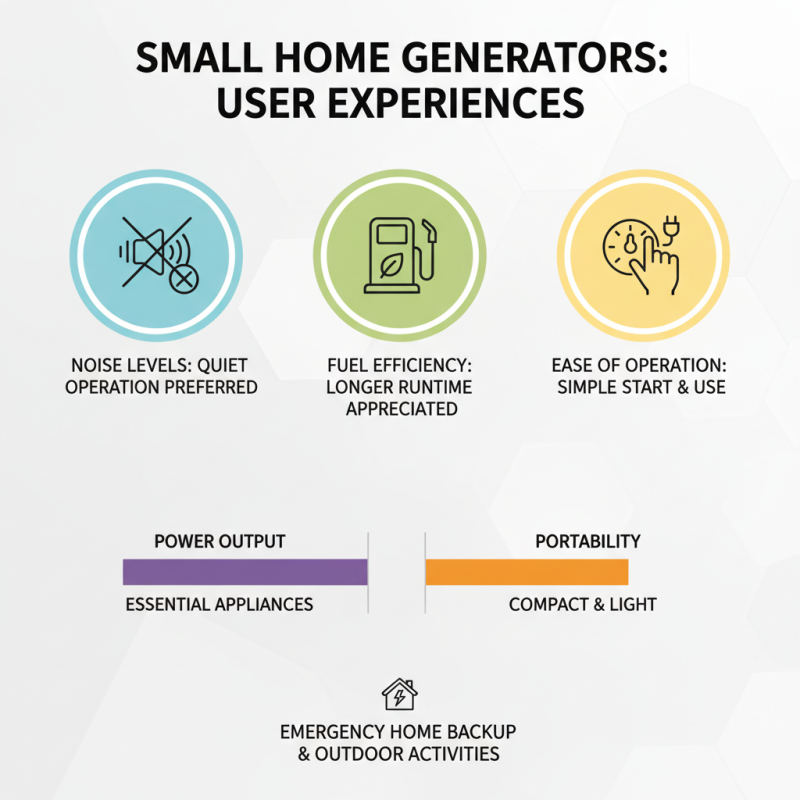
User experiences play a pivotal role in determining the effectiveness and reliability of small generators for home use. Many individuals have shared their practical insights about how these devices perform during power outages or in conjunction with outdoor activities. Common themes emerge in user reviews, particularly regarding noise levels, fuel efficiency, and ease of operation. Many users appreciate generators that are compact yet powerful enough to supply essential appliances during emergencies while maintaining a noise level that doesn’t disturb the neighborhood.
Moreover, reliability is a recurring topic among user testimonials. Consumers often recount their experiences during critical moments, citing how well their generators held up under pressure. Users frequently highlight the importance of portability as well, noting that lightweight generators are favored for camping trips or tailgating, adding convenience without the bulk. It’s clear that customer feedback emphasizes not just performance but also the peace of mind that comes with knowing their small generator can be counted on when it matters most. The insights gathered from actual users reveal valuable information that aids potential buyers in making informed decisions about their generator purchases.
Maintenance Tips for Small Generators to Ensure Longevity
Maintaining a small generator is crucial to ensure its longevity and reliable performance. According to the U.S. Department of Energy, proper maintenance can extend the life of a generator by up to 50%. Regularly checking the oil level and changing the oil based on the manufacturer’s recommendations can prevent engine wear and ensure optimal performance. It’s advisable to use high-quality oil that meets the specifications outlined in the generator's manual. Additionally, keeping the air filter clean or replacing it as needed can significantly improve fuel efficiency and prevent operational issues.
Another essential aspect of generator maintenance is battery care. A significant percentage of generator failures are attributed to battery issues. According to the Electrical Generator Manufacturers Association, approximately 40% of generator-related problems can be traced back to a dead or poorly maintained battery. Regularly testing and charging the battery, as well as inspecting connections for corrosion, can help mitigate this risk. Furthermore, ensuring that the generator is run for a short period every month can help keep the engine lubricated, reduce moisture accumulation in the fuel system, and keep the internal components in good working condition.
Implementing these maintenance tips will go a long way in enhancing the performance and lifespan of small generators for home use.