How to Choose the Best Back Up Power Solutions for Your Needs in 2025
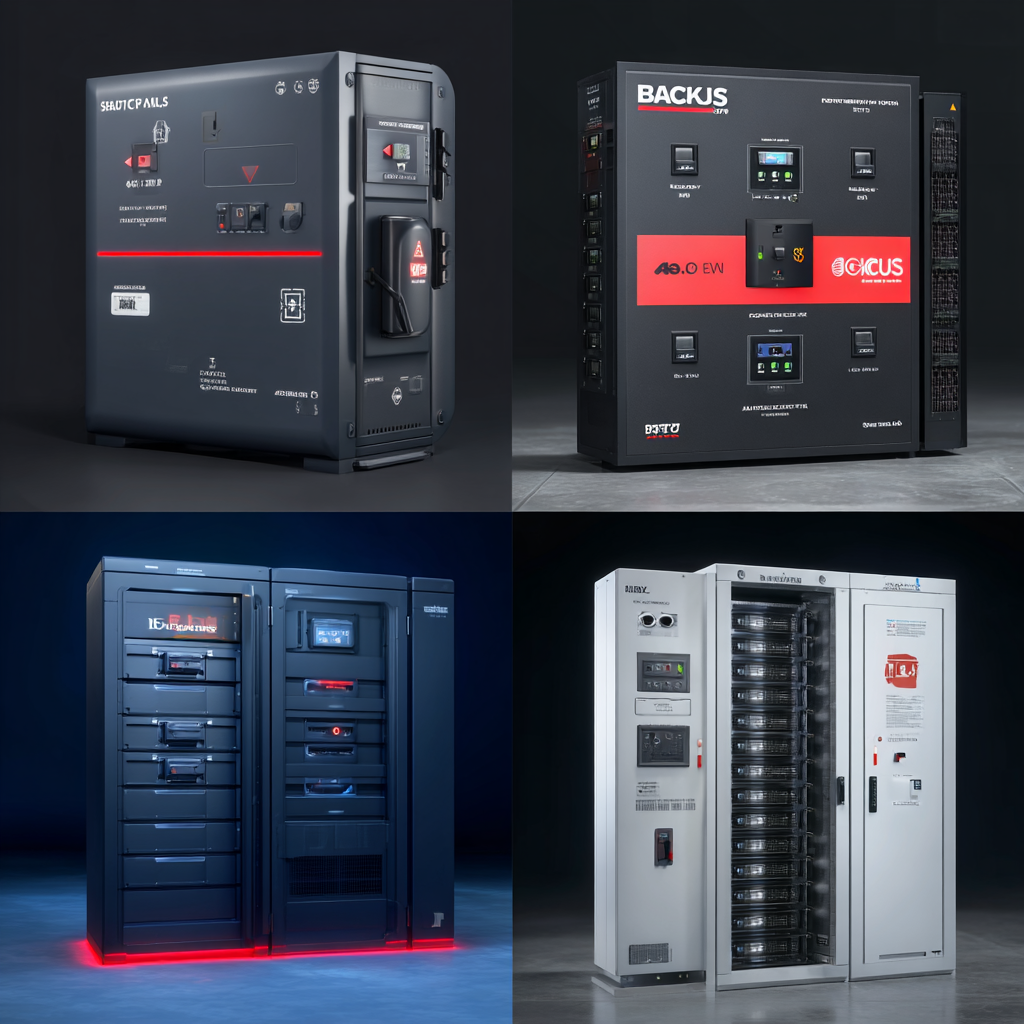 In an era increasingly reliant on uninterrupted power supply, understanding how to choose the best backup power solutions is crucial for both businesses and homeowners alike. According to a recent report by the International Energy Agency, the global demand for backup power solutions is projected to grow by 15% annually over the next five years, driven by rising concerns over power outages and the increasing frequency of extreme weather events. As we approach 2025, making informed decisions amidst a plethora of options is more critical than ever.
Industry expert, Dr. Emily Carter, a leading researcher in energy management, emphasizes the importance of selecting the right backup power solutions: “Choosing the right backup system is not just about capacity; it’s about reliability and efficiency to ensure your needs are met in critical moments.”
Her insight underscores the need for thorough analysis when evaluating different power solutions, including generators, batteries, and solar backup systems. The right choice can significantly affect operational continuity and financial stability in an unpredictable energy landscape, making this decision an essential part of future planning.
Understanding the Evolving Energy Landscape and Its Impact on Backup Power Needs in 2025
As we approach 2025, the energy landscape is undergoing significant changes that directly influence backup power needs. According to a report by Bloomberg New Energy Finance, global investments in renewable energy sources are projected to reach $4 trillion by 2025, reflecting a shift towards cleaner energy systems. This transition poses new demands for backup power solutions, as fluctuating renewable outputs necessitate more reliable storage systems to mitigate outages and maintain grid stability.
Moreover, the increasing frequency of extreme weather events, as noted by the National Oceanic and Atmospheric Administration, indicates a rising trend in power outages. In 2022, the U.S. experienced over 300 major weather-related outages, a stark reminder of the importance of robust backup systems. With the integration of smart home technology and the Internet of Things (IoT), many households will require sophisticated backup power options that can seamlessly interact with these evolving technologies. Thus, understanding these emerging energy dynamics is crucial for identifying the most effective backup power solutions tailored to individual and commercial needs in 2025.
Analyzing the Costs: Trends in Backup Power Solutions and Expected Price Variations for 2025
As we move into 2025, the landscape of backup power solutions is poised to evolve significantly, driven by trends in capital expenditure (Capex) among technology firms. The anticipated continuation of a surge in investment in advanced infrastructure technology suggests that companies will increasingly prioritize reliable power solutions to support high-performance computing and data-intensive operations. This shift is expected to create a growing demand for efficient backup power systems capable of handling the heightened energy requirements of next-generation applications.
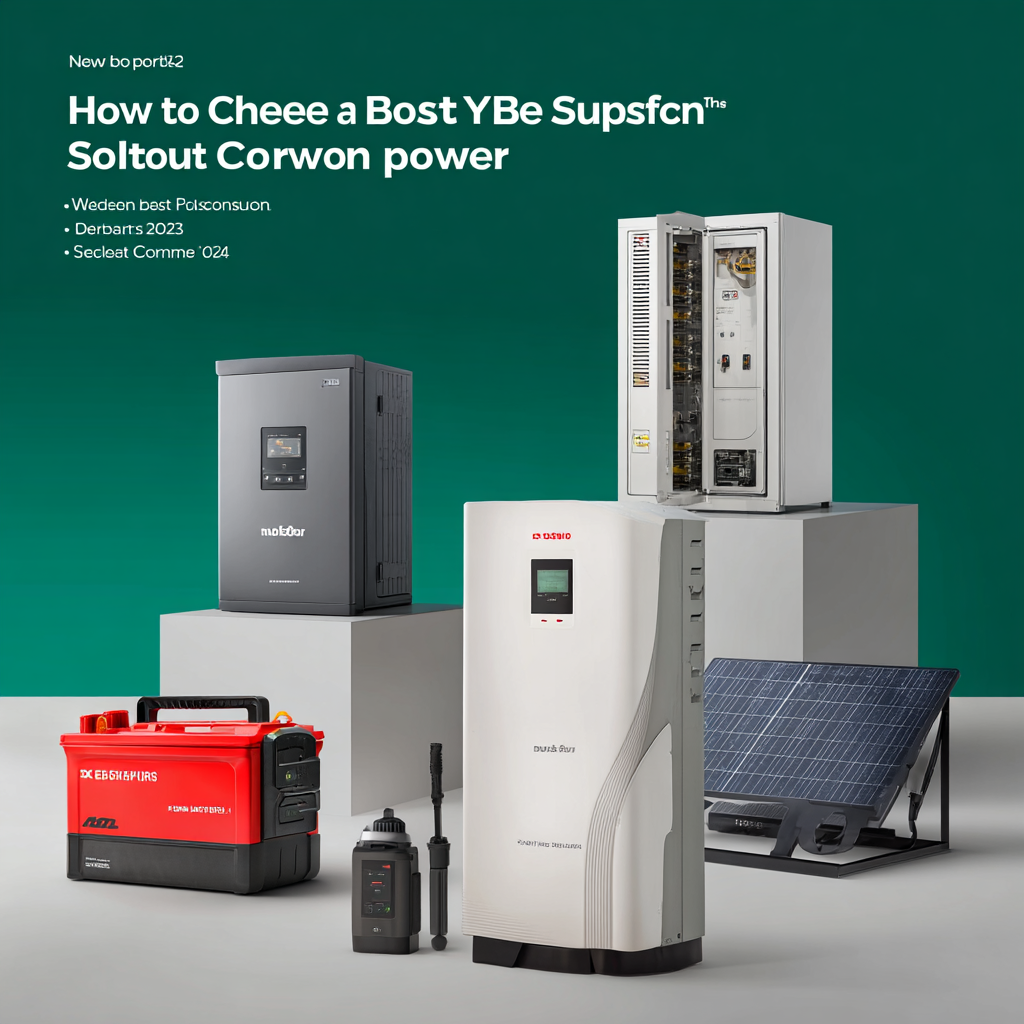
Analyzing cost trends for backup power solutions, we can expect notable price variations due to the rising demand for advanced technologies and the ongoing innovations within the sector. As companies seek to integrate more robust power solutions, the competition among manufacturers may lead to more diverse options and pricing strategies. Furthermore, the focus on sustainability and energy efficiency will likely encourage investment in environmentally friendly backup systems, which could potentially influence overall costs and market dynamics in 2025.
Exploring Battery Technologies: The Rise of Lithium-ion vs. Alternative Chemistries in 2025 Backup Solutions
As we move closer to 2025, the landscape of backup power solutions is evolving, particularly with the emergence of new battery technologies. Lithium-ion batteries have long dominated the market due to their high energy density and efficiency. However, rising concerns over resource sustainability and the geopolitical implications of lithium sourcing have prompted interest in alternative chemistries, particularly sodium-ion batteries. The sodium-ion battery market is projected to experience significant growth, with estimates predicting a valuation of approximately USD 11.4 billion by 2035.
Sodium-ion batteries present several advantages, such as lower costs and abundant raw materials. They offer a promising alternative for large-scale energy storage solutions, especially in data centers, where the lithium-ion battery market is set to expand extensively, reaching around USD 17.69 billion by 2034. The competition between these two technologies will be pivotal as businesses and consumers alike seek out reliable and sustainable backup power options to meet their needs in the coming years. The transition towards diverse battery chemistries reflects a broader shift in the energy landscape, emphasizing innovation and adaptability in response to both market demands and environmental challenges.
How to Choose the Best Back Up Power Solutions for Your Needs in 2025
| Criteria |
Lithium-ion Batteries |
Alternative Chemistries |
| Energy Density (Wh/kg) |
150-250 |
80-150 |
| Cycle Life (Charge/Discharge Cycles) |
500-2000 |
300-1500 |
| Cost per kWh ($) |
150-300 |
100-250 |
| Environmental Impact |
Moderate |
Lower (varies by chemistry) |
| Charging Speed |
Fast |
Moderate |
| Temperature Range |
-20°C to 60°C |
-10°C to 50°C |
Load Capacity and Efficiency: Key Factors for Selecting the Right Backup Power System for Your Requirements
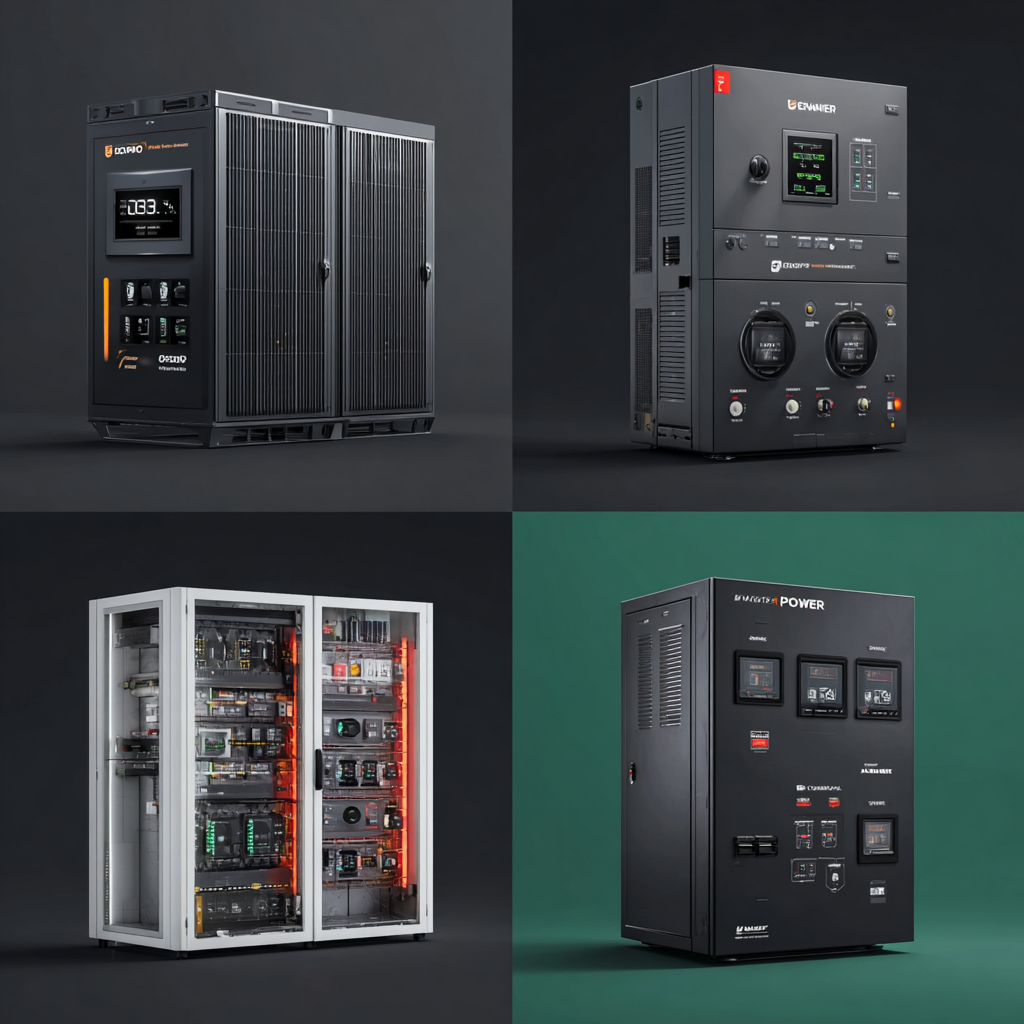 When selecting a backup power system in 2025, understanding load capacity and efficiency is essential. Load capacity refers to the maximum amount of power a system can provide, which directly impacts its ability to support essential appliances and equipment during a power outage. It's crucial to assess your power needs by calculating the total wattage of devices you wish to run simultaneously. This consideration helps in avoiding a system that's either underpowered or unnecessarily oversized, both of which can lead to inefficiencies and higher operational costs.
Efficiency is another critical factor that cannot be overlooked. This metric indicates how effectively a backup power system converts fuel or energy input into usable electricity. A more efficient system reduces fuel consumption and operating expenses, ultimately saving money in the long run. Many modern backup power solutions incorporate advanced technologies to enhance efficiency, such as inverter systems and renewable energy sources. Evaluating these aspects carefully ensures that you choose a solution that not only meets your immediate power needs but also aligns with long-term sustainability goals.
Evaluating Renewable Integration: The Role of Solar and Wind in Future Backup Power Strategies
As we approach 2025, the integration of renewable energy sources like solar and wind into backup power strategies becomes increasingly crucial. With the growing concerns about climate change and energy security, harnessing these sustainable resources can provide a robust solution for addressing power outages and ensuring energy resilience. Solar panels, for instance, can be deployed in both residential and commercial contexts to generate electricity during sunny periods, offering an immediate response to power needs.
Wind energy, on the other hand, complements solar power by providing electricity during different times of the day and in varying weather conditions. The combination of these two renewable sources not only diversifies power supply but also enhances reliability. When integrating these technologies into backup systems, it is important to consider local climate patterns and energy consumption profiles to maximize efficiency. Collaborating with energy experts can further ensure that individuals and businesses select the most effective renewable configurations tailored to their specific needs and circumstances.
Backup Power Solutions Comparison for 2025