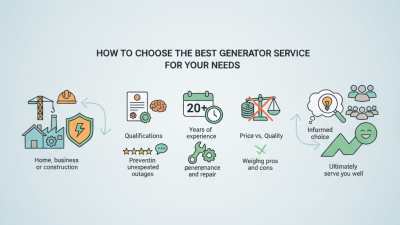
How to Choose the Best Generator Standby for Your Needs?
Choosing the right generator standby is crucial for ensuring reliable power during outages. Research indicates that 20% of households experience power interruptions each year. A properly selected generator can mitigate risks associated with these failures. Data from the U.S. Department of Energy shows that energy reliability can significantly affect business productivity and household comfort.
Understanding your unique power needs is essential. Different generators provide varying levels of wattage and run time. Industry experts suggest assessing the critical appliances you must support during outages. Many users overlook factors like fuel type, noise levels, and maintenance needs. The right generator standby can vary widely between users based on these specifications.
Some individuals regret rushing their decision. They wish they had considered their long-term power needs more carefully. It's important to reflect on what might have been overlooked. Selecting a generator standby is not just about immediate needs; it's about future reliability, efficiency, and safety for your home or business.
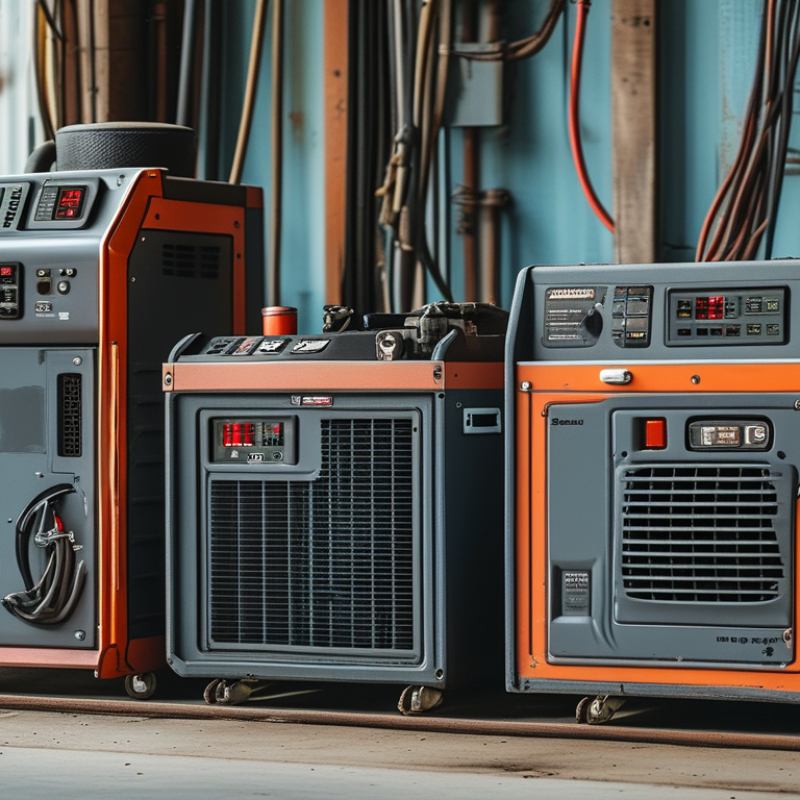
Factors to Consider When Selecting a Standby Generator
Selecting the right standby generator requires careful consideration of several critical factors. One key aspect is the generator's power capacity. According to the U.S. Department of Energy, a typical home needs between 5,000 to 7,500 watts for essential appliances. It's essential to assess your specific power needs accurately to avoid underpowering your home during outages.
Another vital factor is the fuel source. Generators typically run on natural gas, propane, or diesel. Each fuel type has its advantages and disadvantages. For example, natural gas is often favored for its clean-burning properties. However, it may not be available in all areas. Propane provides more flexibility but requires storage tanks. Understanding local fuel availability and costs can influence your decision significantly.
Additionally, noise levels can impact your home environment. Many models operate around 60-70 decibels, which is comparable to normal conversation. If you have close neighbors or if noise is a concern, look for quieter models or those with sound-dampening technology. This choice can create a better living experience during extended use.
Understanding the Different Types of Standby Generators Available
When selecting a standby generator, it’s essential to understand the various types available. These generators can be classified mainly into two categories: portable and standby. Portable generators are convenient for temporary power needs. They typically run on gasoline and are ideal for small applications. However, they require manual setup and fueling.
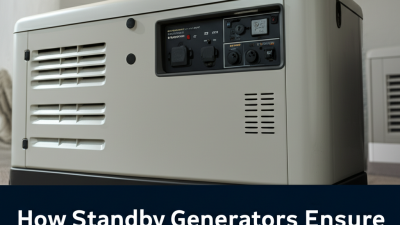
On the other hand, standby generators are permanently installed and connected to your home’s electrical system. They usually operate on natural gas or propane. Standby models automatically turn on during power outages, providing seamless power. This makes them highly reliable for essential appliances and systems.
Another factor to consider is the generator's power output. Some generators are designed for basic needs, while others can power an entire house. Higher wattage means more appliances can run simultaneously. Each generator type has its benefits, but it's vital to assess your specific power requirements. Doing so will help in making a more informed choice. Selecting the right generator involves weighing your immediate needs against potential future requirements. Balancing convenience and reliability can be challenging but is crucial in ensuring comfort and safety.
How to Choose the Best Generator Standby for Your Needs?
| Generator Type |
Power Output (kW) |
Fuel Type |
Run Time (Hours) |
Price Range |
| Portable Generator |
3 - 10 |
Gasoline |
8 - 12 |
$300 - $800 |
| Inverter Generator |
1 - 3 |
Gasoline |
4 - 10 |
$500 - $2,000 |
| Standby Generator |
10 - 20 |
Natural Gas, Propane |
Unlimited (as long as fuel supply is present) |
$2,000 - $10,000 |
| Diesel Generator |
20 - 50 |
Diesel |
10 - 20 |
$5,000 - $15,000 |
Evaluating Power Needs: How to Calculate Required Wattage
Calculating your required wattage is essential when selecting the right generator. Begin by listing all the appliances and devices you plan to use during a power outage. Each item has a specific wattage requirement, and understanding this will help you make an informed decision. Start with essentials like refrigerators, heaters, or medical devices; then add others based on priority.
To calculate total wattage, consider both starting and running wattage. Some devices, like motors, require more power to start. This means you may need two sets of figures for accurate calculation. For example, a refrigerator might use 600 watts to run but could require 1800 watts to start.
Tip: Always round up your calculations to ensure you have enough power. Also, keep in mind that using all devices simultaneously may lead to overload. It’s beneficial to prioritize needs, especially during emergencies. Adjust your list based on real-life situations; you might discover some appliances can wait. Remember, choosing a generator isn’t just about numbers; it’s also about practical needs and real-life scenarios.
Assessing Fuel Sources: Natural Gas, Propane, or Diesel?
When choosing a generator standby, you must assess the fuel source. There are three primary options: natural gas, propane, and diesel. Each has its strengths and weaknesses that can impact your decision. Natural gas is often the most convenient for homeowners. It connects directly to your home's supply. However, outages can disrupt your access to natural gas.
Propane is another popular choice. It is portable and can be stored in tanks. This makes it versatile for various uses. But fluctuations in price can affect long-term cost. Diesel, while less common for home use, provides high energy output. It's reliable and performs well under heavy loads. Yet, it requires regular maintenance to ensure optimal performance.
When making your decision, consider your specific needs. Reflect on how much power you will require during an outage. Think about availability and how easily you can obtain the fuel. Storage space is another factor. Propane and diesel need proper containers. Each option also has environmental impacts. Those are worth pondering.
Fuel type can significantly influence generator performance. Choose one that aligns with your lifestyle and energy needs. Keep in mind that asking for professional advice can lead to better decisions.
Importance of Professional Installation and Maintenance Services
When investing in a standby generator, professional installation is crucial. A reliable technician understands the specific requirements of your home. They will ensure the generator is placed correctly, enhancing safety and efficiency. Improper installation can lead to severe issues, including carbon monoxide leaks. Choosing the right location for the generator also affects its performance. Experienced installers take these factors into account.
Maintenance is equally important. Regular check-ups keep your generator running smoothly. A professional service can identify problems before they escalate. Timely maintenance prevents costly repairs in the future. It also ensures your generator is ready during power outages. Many homeowners overlook this, only realizing the importance when it's too late. Regular servicing adds years to your generator’s lifespan, providing peace of mind. Regular checks can reveal hidden issues that may affect performance, possibly exposing homeowners to risks.
Generator Standby Power Needs Survey