How to Choose the Best Power Generator for Home Use in 2023
In the evolving landscape of home energy solutions, the significance of a reliable power generator for home use cannot be overstated, especially in light of increasing weather unpredictability and power grid vulnerabilities. According to the U.S. Department of Energy, the demand for backup generators has surged by 70% over the last five years, a clear indication of homeowners’ increasing awareness of energy independence. This trend underscores the necessity for individuals to make informed decisions when choosing the best power generator for home use in 2023.
Experts in the field have voiced their insights regarding this growing market. John Smith, a renowned energy consultant, states, “Selecting the right power generator for home use is critical, as it not only ensures consistent energy supply during outages but also directly impacts cost-effectiveness and environmental sustainability.” As families increasingly prioritize safety and functionality, it becomes essential to understand the types of generators available, their power outputs, and the specific needs of one’s household. This year, ensuring you have the most fitting generator will not only safeguard against unexpected outages but can be a proactive step in your home preparedness strategy.
Determining Your Power Needs: Understanding Wattage Requirements
Determining the power needs of your home is a crucial step in
selecting the best power generator for your requirements. Understanding wattage requirements starts with
assessing the essential appliances in your home. Most residential power needs can be categorized into
two types of wattage: starting and running watts.
Starting watts are the power needed to kickstart appliances like refrigerators and air conditioners, which
typically require a surge of energy that is significantly higher than their running wattage.
For instance, a refrigerator may require about 700 running watts but can need
up to 2100 starting watts at startup.
The U.S. Energy Information Administration (EIA) indicates that the average American household uses
approximately 877 kWh per month, translating to about 1,100 watts
of continuous power usage. This figure varies depending on the number and type of appliances used.
To effectively evaluate your wattage requirements, creating a list of devices you plan to run
simultaneously during a power outage is essential. According to a report by the National Renewable
Energy Laboratory (NREL), many households can use a generator with a capacity of 5,000 to 7,500 watts
to cover essential devices during a blackout. This approach ensures your power generator can handle
peak demand without risking overload, providing peace of mind during unforeseen outages.
Types of Generators: Exploring Portable, Standby, and Inverter Options
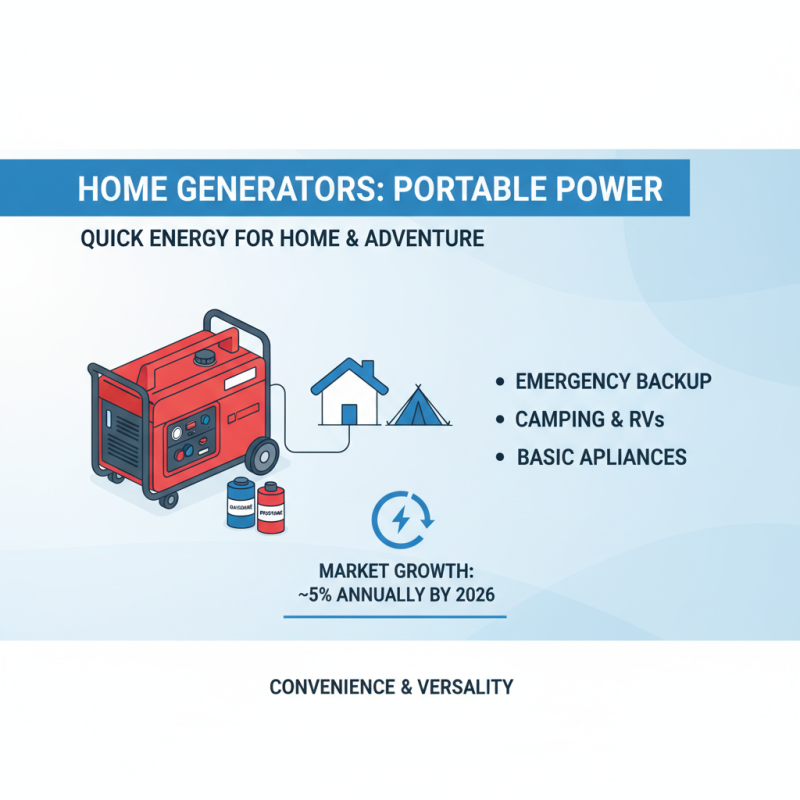
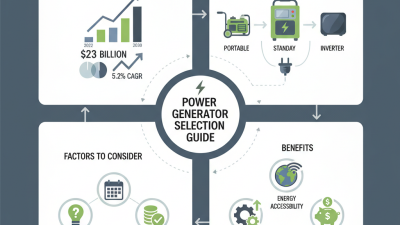
When selecting a power generator for home use, it's essential to understand the different types available. Portable generators, known for their mobility and ease of use, are ideal for short-term scenarios like camping or emergency backup during light outages. As per industry reports, the portable generator market is expected to grow by around 5% annually through 2026, driven by increasing demand among homeowners seeking convenience and versatility. These units typically run on gasoline or propane and provide sufficient power for basic appliances and tools, making them a popular choice for those who need a quick energy solution.
Standby generators, on the other hand, are permanently installed systems that automatically activate during power outages. This type of generator offers a seamless transition, ensuring that homes maintain power for essential systems such as heating and refrigeration. The global standby generator market is projected to rise significantly, with an expected growth rate of 6% through 2025. Their reliability makes them an attractive option for homeowners concerned with the potential risks of extended outages and the impact on home safety.
Inverter generators represent a newer technology that provides clean and stable power, making them perfect for sensitive electronics. These generators have gained traction recently, especially among users who require less noise and increased fuel efficiency. According to market analyses, the demand for inverter generators is anticipated to increase significantly, as consumers prioritize eco-friendly options with lower emissions. With their ability to adjust power output based on the load, inverter generators not only offer versatility but also aid in reducing energy consumption, aligning with the growing trend toward sustainable living practices.
Fuel Sources: Comparing Gas, Diesel, Propane, and Renewable Energy Models
When selecting a power generator for home use, understanding the various fuel sources is crucial, as each option has distinct advantages and disadvantages.
Gasoline generators are popular due to their availability and ease of use. They provide a reliable source of power for smaller needs but can be limited in runtime due to fuel storage considerations. Users must also be mindful of safety, as gasoline is highly flammable and should be stored properly.
Diesel generators are known for their durability and efficiency, making them suitable for larger power demands.
They typically offer longer runtimes than gasoline models and are more fuel-efficient, which can be a significant advantage for extended use. However, diesel fuel can be more expensive and requires proper maintenance to ensure optimal performance over time.
Propane generators present a cleaner alternative, emitting fewer pollutants compared to gasoline and diesel options.
They are also quieter in operation and can be stored indefinitely without the risk of degradation. On the other hand, the initial investment for propane generators can be higher, and they may require a dedicated storage tank.
Finally, renewable energy models, such as solar-powered generators, are gaining traction, especially for environmentally conscious users. While they have higher upfront costs and depend on weather conditions, they offer long-term savings on fuel and reduced environmental impact. Each fuel type has its unique benefits, and the best choice ultimately depends on individual needs and usage scenarios.
Key Features to Consider: Noise Level, Portability, and Start-Up Ease
When selecting the best power generator for home use, considering noise level, portability, and start-up ease is crucial. Noise level is particularly important if you plan to use the generator in a residential area. Look for models designed for quieter operations, as excessive noise can disturb your family and neighbors. A generator with a lower decibel rating will provide peace of mind while running essential appliances or during a power outage.
Portability is another key feature to evaluate. If you need to move your generator around the property or take it for outdoor activities, opt for a lightweight model with wheels or easy-to-carry handles. This will not only save you effort but also enhance convenience when you need to relocate your generator.
Tips: Always check the weight of the generator before making a purchase. If you anticipate frequent movement, a model under 100lbs is typically manageable for most users. Additionally, consider generators with foldable handles or integrated wheels for added ease of transport.
Finally, start-up ease is vital, especially in emergencies. Look for generators with easy-start mechanisms, like push-button ignition or recoil start options, to ensure you can power up your unit quickly when needed. Taking comfort in the knowledge that your generator can be up and running without hassle will keep you prepared for any situation.
Power Generator Comparison: Key Features in 2023
Budgeting for Your Generator: Average Costs and Long-Term Maintenance Expenses
When budgeting for a power generator for home use, it's essential to consider both the initial purchase cost and the long-term maintenance expenses. On average, a reliable home generator can range from a few hundred to several thousand dollars, depending on its capacity and features. It is vital to assess your power needs accurately, as purchasing a generator that is too small can lead to inadequate power supply during outages, while an oversized unit might lead to unnecessary expenses.
Long-term maintenance costs can significantly impact your overall budget, including routine servicing, fuel costs, and repairs. Generators require regular checks to ensure optimal performance, which may involve oil changes, filter replacements, and inspections of electrical components. Owners should also factor in fuel costs, whether it’s diesel, propane, or gasoline, as these can fluctuate based on market prices. Setting aside a budget for unexpected repairs is also wise, as components can wear out over time. By fully considering these factors, homeowners can make informed decisions that align with their financial plans and ensure a dependable power source when needed.