How to Choose the Best Small Generator for Your Needs?
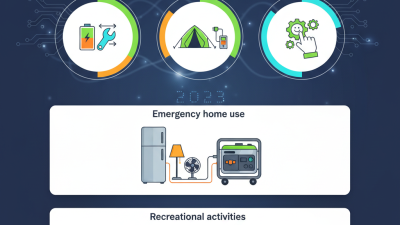
Choosing the right small generator is essential for various needs. Whether for home backup, camping, or outdoor events, the right model makes a difference. A small generator provides convenience and reliability, ensuring you have power when you need it.
When considering a small generator, think about your specific requirements. Consider the power output, fuel type, and portability. A generator with adequate watts will run essential appliances, especially during emergencies. The right size matters. Too small might leave you in the dark; too large could waste fuel.
Also, pay attention to noise levels. Some generators can be quite loud, which is not ideal for quiet camping or residential areas. Read reviews to understand how others experienced using their models. An informed decision will prevent surprises later. Always keep safety in mind. A small generator is a valuable tool, but misuse can lead to accidents. Make sure to follow guidelines for safe operation. Reflecting on your needs ensures you find the best fit for your lifestyle.
Understanding Your Power Needs and Usage Scenarios
Understanding your power needs is crucial when selecting a small generator. Assess your energy requirements based on the devices you plan to operate. For example, a basic camping setup might need 300-600 watts for lights and a small refrigerator. However, if you require more significant appliances, like power tools or medical devices, your needs could jump to 2000 watts or more. The U.S. Department of Energy reports that having a reliable power source can be vital during outages, underscoring the importance of correct sizing.
Evaluating your typical usage scenarios will guide your choice as well. Residential users often need generators for backup during storms, while campers seek portable solutions for outdoor adventures. According to industry analysis, generators that are too small can lead to circuit overloads. Conversely, oversizing can cause unnecessary fuel consumption. Balancing these factors ensures efficient use and longevity for your generator.
Consider these practical insights. Calculate the total wattage of your devices, including starting and running watts. This calculation might uncover needs you overlooked. It’s essential to reconsider your planned usage regularly. Demand for power can change based on lifestyle or additional equipment. Let your power needs adapt alongside your lifestyle for optimal generator performance.
Evaluating Different Types of Small Generators
Choosing the right small generator requires careful evaluation of different types available.
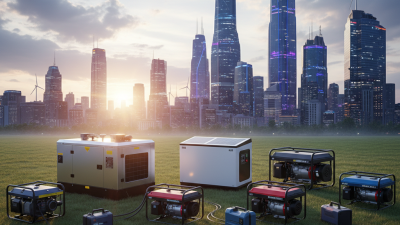
Portable generators are popular for their versatility. They can power essential appliances during outages or during outdoor activities. According to the Department of Energy, these generators typically offer outputs between 1,000 to 8,000 watts. This range meets various needs, from camping trips to home backup.
Inverter generators stand out for their fuel efficiency and quieter operation. They provide clean power suitable for sensitive electronics. A report from the Consumer Product Safety Commission highlights that these generators operate at noise levels as low as 58 decibels. This makes them ideal for residential areas or camping environments.
However, the trade-off often comes with a higher price point compared to traditional models.
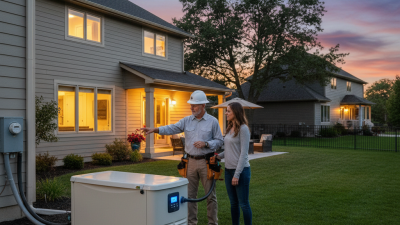
Another option is the standby generator. These units automatically kick in during power outages. They are permanently installed and can manage the entire electrical load of a home. However, installation costs can be significant, often ranging from $2,000 to $5,000. Evaluating your power needs and budget is key.
Consider how often you’ll use the generator and for what purposes. Reflecting on these factors will help refine your choice, ultimately leading you to a generator that suits your lifestyle.
Key Features to Look for in a Small Generator
When choosing a small generator, focus on essential features that suit your needs. Output power is crucial. Determine how much wattage your tools and appliances require. For example, a small generator typically provides between 1,000 to 3,000 watts. Assess your power needs based on the devices you plan to use simultaneously. This ensures you have enough capacity without overspending on more power than necessary.
Portability matters too. Look for lightweight options with sturdy wheels. These generators should be easy to move around. Noise levels can also be significant. Choose models that operate quietly, especially if you'll use them in residential areas. Consider fuel type and runtime as well. Gasoline is common, but propane options exist. Both have their pros and cons concerning availability and storage.
Check customer reviews to gauge reliability. Experiences shared by others can reveal hidden issues. Performance in various conditions is another factor to consider. Ignoring the specific context, like storms or camping, could lead to regret later. Prioritize models with user-friendly features but don’t overlook their potential flaws. Each choice comes with trade-offs, so weigh them carefully as you make your selection.
Assessing Noise Levels and Portability Options
When choosing a small generator, assessing noise levels and portability options is crucial. Many users prioritize quiet operation. According to industry reports, a generator with a noise level around 50 dB is ideal for close-range use, such as camping or in residential areas. In contrast, louder models, exceeding 70 dB, can disrupt nearby environments. An often overlooked aspect is how users perceive noise. Continuous exposure to high decibel levels can become annoying, impacting overall enjoyment of outdoor activities.
Portability is another vital aspect. The best small generators typically weigh between 40 to 70 pounds, making them manageable for one person. However, some models, advertised as portable, still feature bulky designs. Look for units with ergonomic handles or wheels to enhance mobility. Surveys indicate that 65% of outdoor enthusiasts consider ease of transport a critical factor when purchasing generators. Unexpected challenges can arise if the generator is too cumbersome to move or store effectively.
Keep in mind that while some generators boast impressive specifications, user reviews reveal compatibility issues with various appliances. It's advisable to evaluate your specific power needs alongside portability and noise. In this exploration of small generators, balancing these factors plays a pivotal role in meeting your energy needs while ensuring a pleasant outdoor experience.
Noise Levels and Portability Options of Small Generators
Comparing Costs and Warranty Options for Generators
When considering a small generator, understanding costs and warranty options is essential. The average price of portable generators ranges from $300 to $1,500, depending on capacity and features. Features like fuel efficiency and noise levels can affect the cost significantly. A report by the Portable Generator Manufacturers Association suggests that homeowners should expect to pay approximately $0.20 to $0.40 per watt for quality models.
Warranties play a critical role in ensuring long-term reliability. Most manufacturers provide warranties ranging from one to three years. However, some models offer extended coverage that can last up to five years. This is particularly valuable as it covers potential failures. Research shows that more than 30% of generator users experience issues within the first two years. Thus, selecting a generator with a strong warranty is vital for peace of mind.
Additionally, it’s wise to consider hidden costs. Maintenance and fuel expenses can add up quickly. Fuel types, such as propane versus gasoline, also influence these costs. It’s essential to reflect on the total cost of ownership, not just the initial purchase price. This holistic view ensures that you choose a generator that meets both your needs and your budget over time.