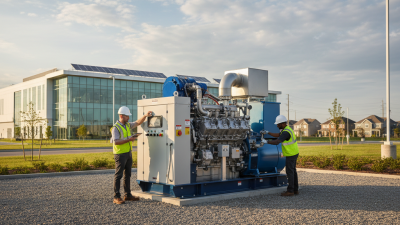
Why Choose Industrial Generators for Your Business Needs?
When considering energy solutions for businesses, industrial generators stand out as an essential choice. Industry expert John Smith, renowned for his work with reliable power systems, once stated, “Investing in industrial generators ensures operational continuity and minimizes downtime.” This insight highlights the pivotal role these generators play in maintaining business productivity.
Industrial generators provide a consistent power supply, which is crucial for various sectors. During power outages or peak demand, they stand ready to support operations. Businesses can avoid significant losses caused by unexpected interruptions. However, not all industrial generators offer the same reliability. It’s vital to evaluate specifications and performance.
While many businesses recognize the need for a backup power source, selecting the right generator can be a complex task. Different types of industrial generators exist, each designed for specific requirements. Understanding these options can be overwhelming. It's important to weigh the pros and cons carefully. A hasty decision may lead to inadequate power solutions that fail when needed most, so thorough research is key.
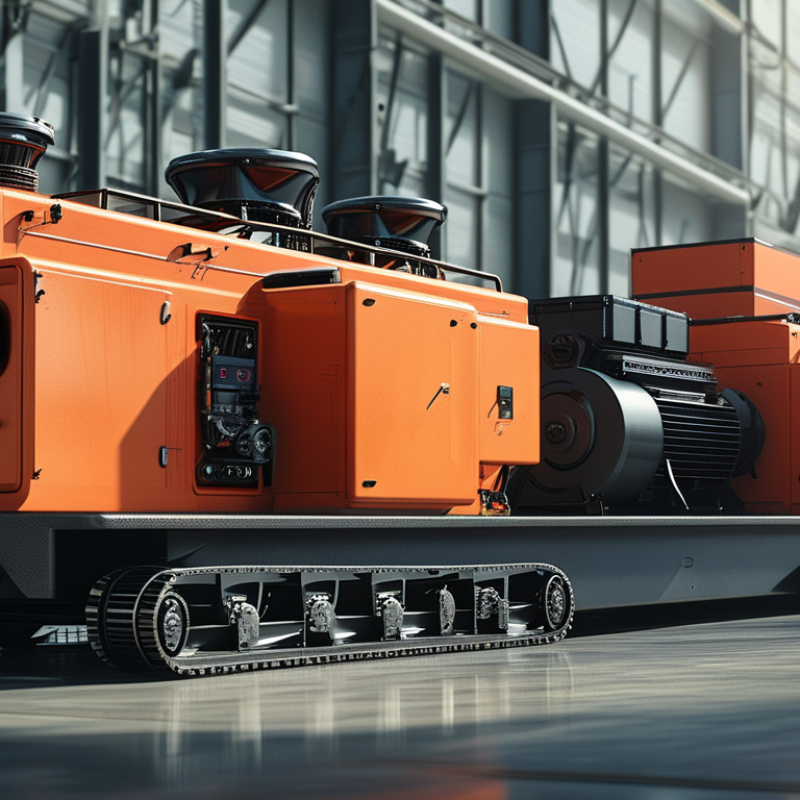
Understanding the Role of Industrial Generators in Business Operations
Industrial generators play a critical role in ensuring business operations run smoothly. These powerful machines provide a reliable power source, especially during unexpected outages. According to the U.S. Department of Energy, nearly 70 million people experience power outages each year. Such interruptions can lead to significant financial losses. In fact, businesses lose an estimated $1,500 per minute during downtime. Thus, investing in industrial generators is essential for maintaining productivity.
One key aspect to consider is the operational efficiency offered by these generators. Many models are designed for optimal fuel consumption, often reducing running costs. However, not all industries utilize generators effectively. A recent study from the International Energy Agency suggests that companies can cut energy costs by up to 30% by choosing the right generator. Make sure to analyze your specific energy needs before making a purchase.
Tips: Regular maintenance is crucial. A neglected generator can lead to costly repairs. Also, ensure your staff is trained to operate the machinery. Knowledgeable employees can troubleshoot minor issues, preventing major failures. Understanding the role of industrial generators can empower your business to navigate challenges more effectively without disruption.
Key Advantages of Industrial Generators: Efficiency and Reliability
When considering power solutions for your business, the advantages of industrial generators are hard to overlook. Efficiency is one of their key benefits. These generators are designed to handle heavy workloads. They can provide a consistent power supply, even in demanding environments. This reliability is crucial for industries like manufacturing and healthcare, where downtime can lead to significant losses. Investing in industrial generators can often mean lower operating costs over time.
Another essential factor is their robustness. Industrial generators can withstand harsh conditions. They are built to endure fluctuating temperatures and challenging terrains. This durability translates into fewer breakdowns. However, it's important to regularly maintain these systems. Skipping maintenance can lead to unexpected failures. Moreover, the expertise of technicians plays a vital role in ensuring optimal performance. Many businesses overlook this aspect, which can hinder efficiency in the long run. Proper care and attention to industrial generators can ensure they remain reliable assets for years to come.
Industrial Generators Efficiency vs. Reliability
This chart displays the key advantages of industrial generators, showcasing their efficiency in terms of output percentage and reliability measured by operational hours per year. Industrial generators offer high efficiency alongside significant reliability, which makes them a crucial asset for businesses needing consistent power supply.
Comparative Analysis: Industrial Generators vs. Other Power Solutions
Industrial generators offer numerous advantages when compared to other power solutions. Reliability is a key factor. According to the U.S. Department of Energy, businesses face an average of three power outages each year. These outages can lead to significant losses, estimated at $150 billion annually. Industrial generators ensure constant, uninterrupted power, minimizing downtime and protecting revenue.
Cost efficiency is another aspect worth considering. A report from the National Renewable Energy Laboratory found that industrial generators can operate at a lower cost per kilowatt-hour compared to some renewable sources. They often require less initial investment and maintain lower operational costs. However, they may not be as environmentally friendly as solar or wind options, which can be a drawback for businesses focusing on sustainability.
Maintenance is crucial for any power solution. Regular upkeep is essential for both industrial generators and alternatives. However, many companies overlook maintenance needs until it's too late. This can lead to unexpected failures and higher repair costs. Balancing reliability, cost, and environmental impact requires careful consideration. Each solution has its strengths and weaknesses that businesses must acknowledge.
Industry Statistics on Generator Capacity and Market Growth Projections
In recent years, the industrial generator market has shown significant growth. According to industry statistics, the generator capacity demand has risen by over 30% since 2020. Many businesses now rely on these generators for backup power and uninterrupted operations. This trend reflects a shift towards ensuring operational resilience in various sectors, including construction, healthcare, and hospitality.
Market projections indicate continued expansion. Analysts predict a compound annual growth rate of around 5% through the next five years. This growth can be attributed to the increasing frequency of power outages and the proliferation of renewable energy sources. Industrial generators are becoming essential for maintaining productivity during unexpected disruptions. Companies are recognizing the need for reliable power supply.
However, businesses must consider their unique requirements. The right generator capacity depends on specific operational demands. Many companies struggle to assess their actual needs. This often leads to overinvestment in equipment that may not address their power consumption effectively. Careful evaluation and planning are crucial for making informed decisions.
Selecting the Right Industrial Generator for Specific Business Requirements
Selecting the right industrial generator is crucial for meeting specific business needs. It's not just about having power; it's about having the right power. Factors like load requirements, fuel type, and operating conditions play significant roles in this decision.
When considering a generator, assess your power needs. Calculate the total wattage required by your equipment. This ensures that your generator runs efficiently without being overloaded. You wouldn’t want an underpowered generator. It could lead to failure and costly downtime.
**Tip:** Always consider future growth. Choose a generator that can handle additional load. This foresight can save you from upgrading sooner than necessary.
Additionally, think about fuel type. Diesel generators are robust but may be unsuitable for every environment. Alternatively, natural gas generators may offer cleaner emissions but can have limitations in remote locations. Each option has its pros and cons, and your choice should reflect your unique situation.
**Tip:** Evaluate maintenance needs. Regular service helps prolong generator life and can prevent unexpected failures. Neglecting routine upkeep can result in unforeseen setbacks. Understanding these aspects can help streamline your operations and reduce risks.
Why Choose Industrial Generators for Your Business Needs? - Selecting the Right Industrial Generator for Specific Business Requirements
| Business Type |
Power Needs (kW) |
Generator Type |
Fuel Type |
Application |
| Construction |
150 |
Portable Diesel Generator |
Diesel |
Site Power |
| Healthcare |
500 |
Standby Generator |
Natural Gas |
Emergency Backup |
| Manufacturing |
1000 |
Industrial Generator |
Diesel |
Continuous Power |
| Data Center |
2000 |
Dual-Fuel Generator |
Diesel & Natural Gas |
Uninterrupted Power |
| Agriculture |
300 |
Portable Generator |
Gasoline |
Field Operations |