Tips for Choosing New Generators Efficiently for Your Needs
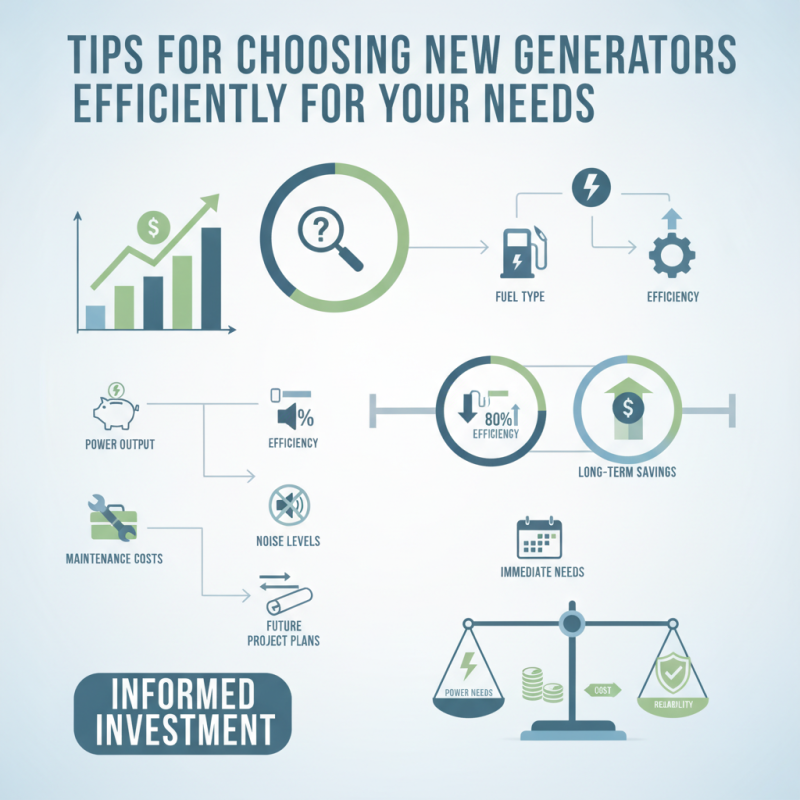
Choosing new generators can be a complex task. With the global market for generators projected to reach $27 billion by 2027, careful selection is crucial. Industry experts recommend understanding your specific needs before making a decision. Evaluating power output, fuel type, and efficiency are key factors in your choice.
Data from the International Energy Agency shows that generator efficiency can impact operational costs significantly. Generators that operate at 80% efficiency or higher reduce fuel expenses over time. This means that investing in new generators could lead to long-term savings. However, not all models are created equal.
Reflecting on your requirements will help narrow down options. Many buyers overlook the importance of maintenance costs and noise levels. It’s vital to analyze both immediate needs and future project plans. Ultimately, the right generator will balance power needs, cost, and reliability, ensuring you make an informed investment.
Understanding Your Power Requirements for New Generators
Understanding your power requirements is crucial when selecting a new generator. Start by assessing your energy consumption. Identify the devices and appliances you want to power. This includes essentials like refrigerators, lights, and heating systems. Consider their wattage and how long you will use them. A simple calculation can help you know the total wattage needed.
In addition to wattage, think about peak vs. running power. Some devices require more power during startup. Generators must accommodate this surge. Failing to do so may damage both the generator and your appliances. If you're unsure, consult an expert for assistance, or utilize online calculators. It's also helpful to consider your specific environment. Will you use the generator for camping, home backup, or worksite power? Each scenario has different requirements.
Power needs can change over time. When evaluating your choice, anticipate future requirements. This foresight may save you from future inconveniences. It's easy to overlook power surges and changes in usage patterns. Reflect on the long-term implications of your generator choice.
Tips for Choosing New Generators Efficiently for Your Needs
| Generator Type |
Power Output (W) |
Fuel Type |
Run Time (hrs) |
Noise Level (dB) |
Weight (lbs) |
| Portable Generator |
2000 |
Gasoline |
8 |
58 |
45 |
| Inverter Generator |
3000 |
Gasoline |
6 |
52 |
48 |
| Standby Generator |
7500 |
Natural Gas |
24 |
60 |
200 |
| Diesel Generator |
10000 |
Diesel |
12 |
65 |
350 |
| Solar Generator |
1500 |
Solar |
Variable |
45 |
35 |
Types of Generators: Exploring Options for Specific Needs
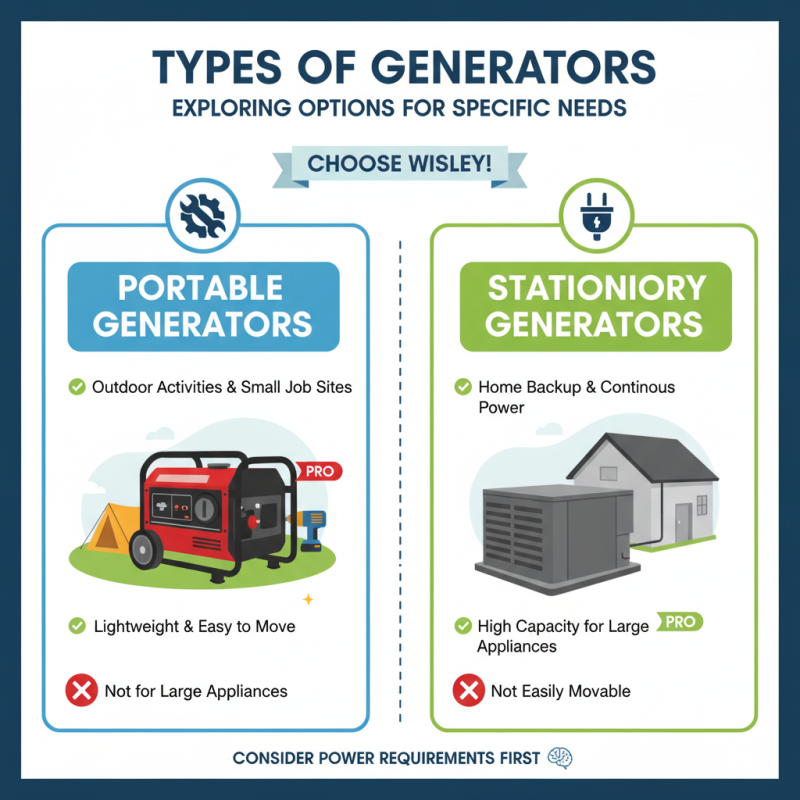
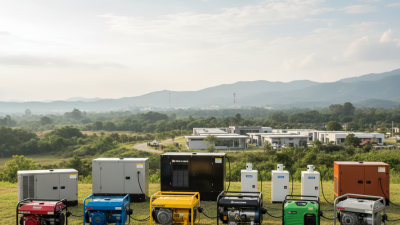
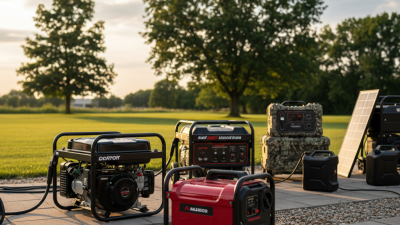
When exploring generator options, it's important to understand your specific needs. Different types of generators serve various purposes. For instance, portable generators are ideal for outdoor activities and small job sites. They’re lightweight and can be moved easily. However, they might not provide enough power for larger appliances. Always consider your power requirements first.
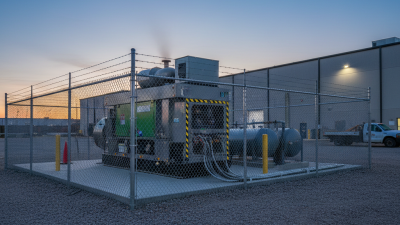
In contrast, standby generators are permanently installed. They can power an entire home during outages. Their automatic start feature is convenient, especially during emergencies. However, they often come at a higher initial cost and involve installation complexity. Assess your home's electrical system and consult a professional for proper sizing.
In addition, solar generators are gaining popularity. They use renewable energy and are environmentally friendly. Yet, their dependence on sunlight can be limiting. Users should think about climate conditions and energy storage options. Each type of generator has pros and cons. Reflect on what suits your lifestyle best before making a choice.
Evaluating Fuel Types: Pros and Cons for Generator Efficiency
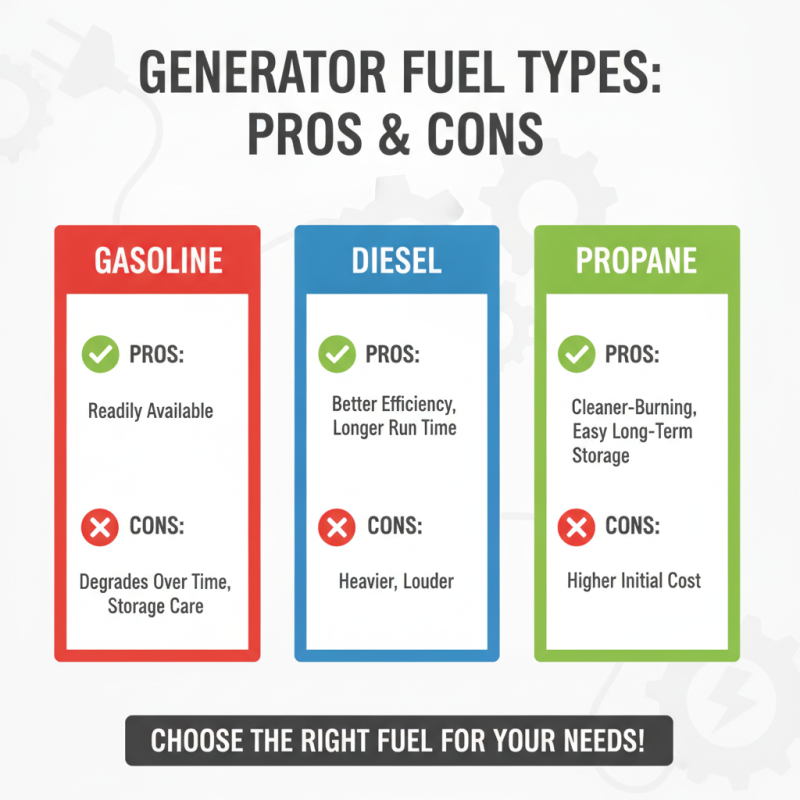
When choosing a generator, fuel type plays a crucial role in its efficiency. Gasoline, diesel, and propane are the most common options. Gasoline is easily available but can degrade over time. It often requires care for storage to maintain efficiency. Diesel engines typically offer better fuel efficiency and longer run times. However, they can be heavier and louder than gasoline units. Propane is cleaner-burning, which is a plus. It's also easier to store long-term without degradation. Yet, the initial cost might be higher.
Understanding these fuel types helps in making informed choices. For instance, if you need a generator for rugged conditions, diesel is often preferred. Yet, its maintenance might require more expertise. On the other hand, gasoline might work well for simpler tasks but could leave you stranded if you run out. Propane can be a riddle, providing clean power but might not be readily accessible everywhere.
Efficiency in your decision-making should focus on your specific needs. Take time to reflect on how you'll use the generator. Every fuel type has its quirks. Each choice comes with trade-offs that demand careful consideration.
Assessing Brand Reputation and Reviews for Reliability
When choosing a new generator, brand reputation and user reviews play crucial roles. They provide insights into reliability and performance. Researching brands helps you understand their history in the market. A company with a long-standing reputation is often more trustworthy. Many users share their experiences online, offering valuable perspectives.
Look for real user testimonials. These can reveal common issues and outstanding features. Don’t just focus on star ratings. Read through the comments for deeper insights. Poor reviews often highlight persistent problems. Pay attention to how companies respond to negative feedback. Their willingness to address concerns speaks volumes about their reliability.
Keep in mind that every brand has imperfections. It's common to find mixed reviews, even for well-known names. Some users may face challenges that others do not. This inconsistency is part of the decision-making process. It’s essential to weigh both positive and negative aspects before making a selection. Trust your judgment, but stay informed.
Cost Considerations: Budgeting for Purchase and Maintenance
When considering the purchase of a new generator, budgeting for both the initial investment and ongoing maintenance is crucial. According to the U.S. Energy Information Administration (EIA), reliable generators typically range from $500 to $3,000, depending on power output and features. This substantial range reveals the importance of specific needs. A generator for a small home will cost less than one for commercial use. It's essential to assess wattage requirements carefully to avoid overspending on unnecessary capacity.
Maintenance costs also deserve attention during the planning phase. Reports indicate that annual maintenance can cost between $150 and $300. Neglecting maintenance can lead to higher repair costs. A generator without proper upkeep might break down unexpectedly, leading to costly emergency services and lost time. Consider setting aside a budget for annual check-ups and necessary parts. A forward-looking approach can shield you from unexpected expenditures.
Generators consume fuel, impacting long-term costs. Various generators offer different fuel types. Diesel generators typically consume more fuel compared to natural gas models. Understanding these dynamics can lead to more informed choices. Ignoring fuel efficiency can damage budget plans over time. You deserve a generator that fits your needs and doesn’t strain your wallet.
Cost Considerations for Choosing Generators
This bar chart displays the average costs associated with different types of generators. As represented, standby generators are significantly more expensive compared to portable and inverter types, which is an important consideration when budgeting for purchase and maintenance.