How to Choose Home Backup Generators in 2026?

Choosing home back up generators in 2026 requires more than comparing prices and advertised wattage. A dependable unit should match your home’s electrical load, fuel access, climate, and installation conditions. A refrigerator, sump pump, medical device, and heating system may start simultaneously. That starting surge can overwhelm an undersized generator within seconds.

Canadian contractor and home-safety advocate Mike Holmes often emphasizes, “Safety should never be an afterthought.” That principle matters here. A properly installed transfer switch can prevent dangerous backfeeding. Carbon monoxide protection also deserves serious attention. Place portable equipment outdoors, far from doors, windows, and vents. Never operate it inside a garage, even with the door open.

Home back up generators now include conventional, inverter, and standby models. Inverter units usually run more quietly and provide cleaner power for sensitive electronics. Standby systems can start automatically during an outage, but they require professional installation and regular servicing. Natural gas may offer convenience, while propane can provide more dependable storage during extended disruptions.

Think beyond the first hour. Ask how long the generator can run at its actual household load. Check battery warmers, weatherproof enclosures, maintenance alerts, and noise ratings. Read the warranty carefully. Some claims sound impressive but hide strict service requirements.

A perfect choice may not exist. I would rather accept a smaller protected load than purchase a powerful unit that rarely receives maintenance. Measure your circuits, consult a licensed electrician, and test the system before winter arrives. Reliability is built through preparation, not hope.

How to Choose Home Backup Generators in 2026?

Understanding Home Backup Generator Types and Operating Principles

How to Choose Home Backup Generators in 2026?

Understanding generator types makes selection less confusing. Portable conventional generators use an engine to spin an alternator directly. They are practical for refrigerators, lights, and pumps. Portable inverter generators create electricity, convert it to direct current, then invert it into cleaner alternating current. This design usually improves fuel efficiency and reduces noise. Noise is real.

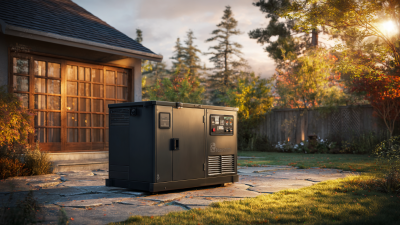
Standby generators remain installed outside and connect to a transfer switch. When utility power fails, the switch isolates the home from the grid and starts the generator automatically. Natural gas or propane can support longer operation than a small gasoline tank. However, fuel availability may change during storms. The U.S. Energy Information Administration reported approximately 1.5 trillion kilowatt-hours of residential electricity use in 2023, showing how quickly essential loads can accumulate across millions of homes.

Sizing should begin with actual loads, not the largest appliance label. A refrigerator, sump pump, medical device, and heating control may need simultaneous starting power. The U.S. Department of Energy advises examining both running watts and startup demand. NFPA 110 also emphasizes reliable emergency power systems and proper transfer equipment. My first mistake was ignoring motor startup surge. The lights worked, but the pump stalled. That trade-off matters. A licensed electrician should verify grounding, ventilation, clearances, and transfer-switch installation. Carbon monoxide risk is serious, especially in garages or enclosed porches. A smaller generator may be adequate, but only after measuring real household priorities.

How to Choose Home Backup Generators in 2026? - Understanding Home Backup Generator Types and Operating Principles

Generator Type Typical Rated Output Operating Principle Common Fuel Options Transfer Method Typical Fuel Runtime Noise and Emissions Installation Requirements Best Suited For
Portable Conventional Generator 2–10 kW An internal-combustion engine turns an alternator to produce electricity. Engine speed generally remains near a fixed operating speed to maintain frequency. Gasoline; some models support propane or natural gas through approved conversion systems. Manual connection through outdoor-rated extension cords or a properly installed manual transfer switch. Approximately 6–18 hours at a moderate load, depending on tank size, engine efficiency, and load. Usually louder than inverter models, with higher exhaust emissions during operation. Must be operated outdoors. Outdoor operation on a stable, level surface; weather protection that does not restrict ventilation; safe fuel storage; carbon-monoxide protection indoors. Occasional outages, essential appliances, and buyers seeking a lower initial cost.
Portable Inverter Generator 1–5 kW The engine produces high-frequency alternating current, which is converted to direct current and then electronically inverted into stable alternating current. Gasoline; some units support propane or dual-fuel operation. Manual startup and connection, or a transfer switch where permitted by the equipment and local electrical code. Approximately 8–24 hours at a moderate load; eco-throttle systems can reduce fuel use when demand is low. Generally quieter and more fuel-efficient than conventional portable generators. Still produces exhaust and carbon monoxide. Outdoor operation with adequate clearance; use only approved parallel kits when combining compatible units; protect sensitive electronics with correct voltage and frequency. Small homes, electronics, remote work, camping, and situations where lower noise and cleaner power are priorities.
Dual-Fuel Portable Generator 3–12 kW An engine-driven alternator generates electricity while a fuel selector allows operation on either gasoline or propane. Output can vary by fuel. Gasoline and propane; some systems can use natural gas only when specifically designed or converted for it. Manual connection or a manual transfer switch; automatic transfer is uncommon for standard portable units. Gasoline often provides longer operation for a given tank size; propane can be stored longer but may provide less power on some models. Noise and emissions are typically similar to conventional portable generators when running at comparable loads. Outdoor placement, proper fuel-line connections, approved cylinders or fuel containers, and compliance with local fire and electrical codes. Households wanting fuel flexibility, longer-term emergency preparedness, or reduced dependence on stored gasoline.
Portable Battery Power Station 0.3–3 kW continuous output; higher short-duration surge ratings may be available A rechargeable battery supplies direct current to an inverter, which provides alternating-current output. There is no combustion engine during use. Electricity from the grid, solar panels, or a vehicle, depending on the model. Manual plug-in use; selected home-energy systems may support an approved transfer switch or dedicated inlet. Usually measured in watt-hours rather than engine runtime. Runtime equals usable battery capacity divided by load, with inverter losses included. Very quiet during operation and produces no on-site exhaust emissions. Charging may still depend on the electricity source. Dry indoor placement with adequate ventilation for heat dissipation; solar installation and transfer equipment require qualified electrical work. Short outages, apartments, medical or communications devices within capacity limits, and users prioritizing quiet operation.
Air-Cooled Standby Generator 8–26 kW A permanently installed engine drives an alternator. An automatic transfer switch detects utility failure, starts the engine, and transfers selected circuits or the whole service. Natural gas or liquid propane; fuel availability and pressure affect performance. Automatic transfer switch, usually with a short interruption while the engine starts. Designed for extended operation while the fuel supply remains available; natural-gas runtime is not limited by an on-site tank. Typically quieter than portable units but louder than normal household equipment. Produces combustion emissions and requires exhaust clearance. Professional installation, permanent foundation or pad, gas piping, electrical permits, code-compliant clearances, grounding, and scheduled maintenance. Frequent or extended outages, essential household circuits, and homeowners seeking automatic backup.
Liquid-Cooled Standby Generator 20–150+ kW A larger engine uses a liquid-cooling system and alternator to supply high continuous power. An automatic transfer switch manages utility-to-generator changeover. Natural gas, liquid propane, diesel, or other fuel specified by the generator design. Automatic transfer switch with service-rated equipment selected for the property’s electrical system. Extended operation depends on the available fuel supply, tank capacity, and site logistics. Suitable for high-demand loads but requires careful exhaust, ventilation, and noise planning. Emissions depend on engine type and fuel. Engineering-level installation may be needed, including a reinforced base, larger fuel system, ventilation, exhaust routing, permits, and regular service. Large residences, properties with high electrical demand, farms, or homes requiring whole-property backup.
Solar-Plus-Battery Backup System 3–30+ kW inverter output; battery capacity commonly measured in 5–100+ kWh Solar modules generate direct current, while batteries store energy. A bidirectional inverter supplies household alternating current and can recharge the battery. Solar energy and grid electricity; some systems can accept generator input. Automatic or manual transfer through a hybrid inverter and backup gateway, depending on system design. Runtime depends on battery capacity, household load, solar production, weather, and whether the system is grid-connected. Silent during normal operation and produces no on-site combustion emissions. Inverters and batteries may generate low-level operating noise. Professional electrical installation, compatible battery location, fire-safety clearances, utility approval where required, and code-compliant solar design. Quiet backup, daily energy management, solar self-consumption, and users seeking reduced fuel dependence.

Technical ranges are typical planning values rather than guarantees. Actual output, runtime, noise, fuel consumption, transfer time, and installation requirements vary by generator design, ambient conditions, electrical load, fuel quality, and local regulations. Never operate a combustion generator indoors, in a garage, or near doors, windows, or ventilation openings.

Assessing Your Household’s Essential Power Needs

How to Choose Home Backup Generators in 2026?

Assessing Your Household’s Essential Power Needs

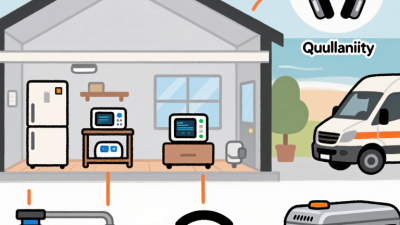
A useful generator plan begins with your actual household, not a large wattage number. During an outage, list the devices that must remain available. Include the refrigerator, freezer, heating controls, sump pump, internet equipment, and medical devices. Lighting matters too, especially in hallways and stairwells. Write down each device’s running watts and starting watts. Motors can briefly demand two or three times more power. Ignore this detail, and the generator may overload when the pump starts.

Test your assumptions against a normal evening. Could your household manage without an oven, clothes dryer, or electric vehicle charger? Many families discover that essential power needs are surprisingly modest. A typical refrigerator may run intermittently, while a well pump can create a sharp starting surge. Add the loads that may operate together, then include a safety margin of about 20 percent. This estimate is imperfect. Real usage changes with weather, age, and family habits.

Outage duration also affects the choice. A short interruption requires different fuel planning than a three-day winter outage. Check fuel storage rules, ventilation needs, noise limits, and maintenance access before choosing capacity. Portable units require safe outdoor placement and properly rated transfer equipment. A licensed electrician should verify the installation and grounding arrangement. Never connect a generator directly to household outlets through improvised wiring. That shortcut can endanger utility workers and damage equipment. Keep a written load list near the generator, then review it after one real outage. You may find your original priorities were wrong.

Comparing Generator Capacity, Fuel Options, and Runtime

How to Choose Home Backup Generators in 2026?

Generator capacity should match your actual priorities, not every appliance in the house. List essential loads such as a refrigerator, sump pump, furnace blower, lights, and internet equipment. Add their running watts, then account for starting surges from motors. A small generator may handle essentials efficiently, while whole-home coverage demands much more capacity. Oversizing can waste fuel and increase purchase costs.

Fuel choice changes convenience and runtime. Gasoline is widely available but degrades during storage and can be difficult to obtain after severe storms. Propane stores longer and burns cleanly, although cold weather can reduce supply pressure. Diesel often supports long runtimes and heavy loads, but residential noise and maintenance deserve attention. Natural gas can provide steady fuel through a pipeline, yet service may fail during a major emergency.

Runtime depends on tank size, fuel type, weather, and electrical demand. A generator using half its rated capacity usually runs longer than one near maximum output. Check runtime charts at 25%, 50%, and 75% load. They can reveal uncomfortable differences. My first estimate would probably be too optimistic without measuring real household demand.

Use an outdoor location, keep exhaust away from windows, and install a properly rated transfer switch through a qualified electrician. Never operate a portable generator indoors, even with doors or windows open.

Evaluating Installation, Safety, Noise, and Maintenance Requirements

How to Choose Home Backup Generators in 2026?

Evaluating Installation, Safety, Noise, and Maintenance Requirements

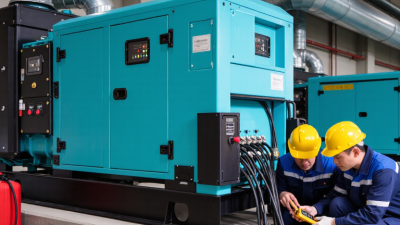
A suitable home generator begins with an honest load assessment. List refrigerators, medical equipment, heating systems, pumps, and essential lighting. Do not size the unit for every appliance unless your budget and wiring support it. An electrician should inspect the service panel, grounding, transfer equipment, and fuel connection. Installation errors can create dangerous backfeed, fire, or carbon monoxide risks.

Placement matters every day, not only during storms. Keep the generator outdoors, away from doors, windows, vents, and sleeping areas. Follow local clearance requirements and install carbon monoxide alarms inside the home. I once underestimated how far sound travels across a quiet yard. A model that seemed acceptable beside the driveway became irritating at night. Measure noise near bedrooms, property lines, and neighboring homes before choosing.

Maintenance is less glamorous, but it determines whether backup power works. Check oil, filters, battery condition, fuel quality, and exhaust openings according to the manual. Run scheduled tests, preferably when neighbors are less likely to be disturbed. Keep a written service log with dates and unusual sounds. My early checklist missed battery corrosion, which caused a preventable starting problem. That mistake changed my routine. Professional servicing is wise for fuel systems, electrical faults, and repeated shutdowns. Reliability is built through small inspections, not hopeful assumptions.

How to Choose Home Backup Generators in 2026?

Evaluating installation, safety, noise, and maintenance requirements

Installation

Portable units usually need manual placement and cord setup. Permanently connected standby systems require professional electrical, fuel, transfer-switch, and permit work.

Safety

Never operate a fuel-burning generator indoors, in a garage, or near doors and windows. Use carbon-monoxide alarms and keep the exhaust directed away from occupied areas.

Maintenance

Typical requirements include checking oil and fuel, exercising standby equipment regularly, replacing filters and spark plugs as specified, and storing fuel safely.

Typical operating sound levels shown at approximately 7 metres (23 feet). Actual noise varies with load, enclosure, installation distance, and operating conditions. Lower dB values indicate quieter operation.

Making a 2026 Purchase Decision Based on Budget and Reliability

How to Choose Home Backup Generators in 2026?

Budget and reliability should be judged together. The U.S. Energy Information Administration reported about 1.9 outage hours per customer in 2023, excluding major events. Including major events, the figure reached approximately 5.8 hours. That gap matters. A portable generator may suit occasional storms, while a standby system offers faster, automatic protection. However, installation, fuel storage, maintenance, and permits can exceed the equipment price.

Start with essential loads, not the entire house. List the refrigerator, heating controls, medical equipment, lights, and internet connection. A simple load calculation prevents expensive oversizing. The U.S. Department of Energy estimates power interruptions cost the American economy billions of dollars annually, but household budgets remain limited. Compare purchase cost with fuel consumption, battery replacement, servicing, and transfer-switch installation. Reliability is not only rated output. It includes starting performance during freezing weather and safe operation after months of silence.

Safety deserves a hard look. NFPA 37 guidance addresses generator placement and fuel safety, while local electrical codes may add requirements. Keep combustion equipment outdoors, away from windows and doors, and use a qualified electrician for permanent connections. A common planning mistake is trusting advertised runtime without testing real household loads. I would schedule a monthly test, record fuel use, and inspect cables. Still, no option is perfect. A smaller generator may save money but force uncomfortable choices during a long outage.