How to Choose the Best Back Up Generator for Your Needs?

Choosing the right back up generator is crucial for both homes and businesses. According to a report by the U.S. Department of Energy, nearly 30% of American households experience power outages each year. This statistic highlights the importance of reliable power solutions. As outages become more frequent due to extreme weather events, having a dependable back up generator becomes essential.

When selecting a generator, understanding your power needs is vital. The size and type of the back up generator will determine how many devices you can run during an outage. Additionally, the market for generators is expected to grow significantly, with a projected increase of 6.7% annually from 2021 to 2028, according to industry insights. This growth indicates rising demand for effective energy solutions.

Moreover, the confusion around features can be daunting. Some generators are equipped with advanced technology, such as automatic transfer switches, while others may lack essential functionality. It's important to reflect on your specific requirements and weigh the pros and cons of different models. Ultimately, investing in a back up generator is not just about purchasing a product; it's about ensuring safety and convenience in times of need.
How to Choose the Best Back Up Generator for Your Needs?

Factors to Consider When Selecting a Backup Generator for Home Use

When choosing a backup generator for home use, several factors come into play. It's essential to assess your power needs. Identify the appliances that require backup during an outage. For instance, a refrigerator, essential medical devices, and lights may top your list. Estimating the total wattage will help in selecting a generator that can handle your requirements efficiently.

Consider the fuel type. Common options include propane, natural gas, and gasoline. Each comes with its benefits and drawbacks. Propane may last longer in storage, while gasoline is easily accessible. It's also crucial to think about the generator's run time. You don’t want to be refueling repeatedly during an extended power outage.

Noise levels are another aspect that often gets overlooked. A generator that produces excessive noise can disrupt your peace. Think about placement too. Position it far from windows and living spaces to minimize sound interference. Finally, research local regulations regarding generator placement and use—some areas have strict rules. Balancing these considerations can ensure you make a reliable choice for your home.

Understanding Different Types of Backup Generators: Portable vs. Standby

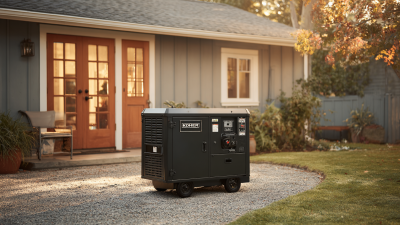
Choosing between portable and standby generators requires understanding their unique features. Portable generators are typically smaller, cheaper, and easy to move. They can be useful for camping or short power outages. According to the Portable Generator Manufacturers’ Association, around 40% of homeowners prefer portable options for their flexibility and cost-effectiveness.

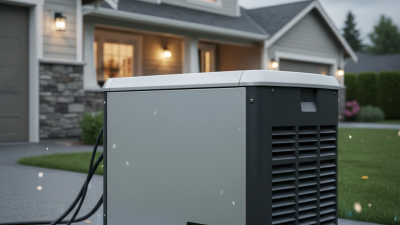
Standby generators are permanently installed and automatically turn on during power outages. They connect directly to your home’s electrical system. The U.S. Department of Energy notes that standby generators can provide uninterrupted power for larger homes, making them ideal for extended outages. Their reliability often outweighs the higher initial investment.

Both types have their drawbacks. Portable generators may lack power for larger appliances, while standby options can be costly to install and maintain. Assessing your specific needs and budget is essential. Each type serves a purpose; understanding their strengths and weaknesses helps in making an informed decision.

Calculating Your Power Needs: How to Determine Generator Size Requirements

When selecting a backup generator, understanding your power needs is crucial. Begin by calculating the wattage requirements of essential appliances. For instance, a refrigerator typically requires about 600-800 watts. A furnace may demand around 1000 watts, while lights can add an additional 100 watts each. Consider using a wattage chart for common devices, helping to visualize total requirements.

In 2019, the U.S. market for backup generators was valued at approximately $1.3 billion, showing a steady growth trend. This growth reflects an increasing awareness of the need for reliable power sources. However, many underestimate their power consumption. It's vital to consider the startup wattage of appliances, as it can be significantly higher. A generator's size should accommodate these peaks to ensure performance during an outage.

Don't forget to evaluate both continuous and starting wattage. Continuous wattage is the power a generator can supply for long periods, while starting wattage reflects the surge needed when appliances turn on. Many users overlook this difference. A generator should have a reserve of at least 20% over your calculated total to cope with unexpected demands.

How to Choose the Best Back Up Generator for Your Needs? - Calculating Your Power Needs: How to Determine Generator Size Requirements

Appliance Starting Wattage Running Wattage Total Power Demand (Watts)
Refrigerator 800 400 400
Heating System 3000 2000 2000
Window Air Conditioner 2200 1000 1000
Lighting 600 600 600
Television 600 300 300
Laptop 200 100 100
Total - - 4500

Evaluating Fuel Options for Backup Generators: Gas, Diesel, and Propane

When choosing a backup generator, evaluating fuel options is crucial. Gas, diesel, and propane each have unique characteristics that cater to different needs. According to the U.S. Energy Information Administration, propane provides about 92,000 BTUs per gallon, making it a powerful choice for efficiency. However, storage and cost can become significant concerns. Propane tanks require proper regulation, and prices can fluctuate based on global supply issues.

Diesel generators are often favored for their durability. They are known for longer runtimes and lower fuel consumption. A report from the National Renewable Energy Laboratory states that diesel fuels can offer up to 20% more efficiency compared to gasoline. Yet, the noise and emissions produced by diesel generators shouldn't be overlooked. This aspect could affect your decision, especially in residential areas.

Gasoline is widely available and convenient for many users. However, gasoline generators often need stabilizers for longer storage. A study from the Generator Association revealed that 40% of gasoline users experienced starting issues after long periods. This factor could lead to unexpected challenges when power outages occur. Each fuel type offers benefits and drawbacks, requiring thoughtful consideration based on individual circumstances.

Key Features to Look for in Backup Generators: Wattage, Runtime, and Noise Levels

Choosing the right backup generator involves understanding key features like wattage, runtime, and noise levels. Wattage is crucial. It determines how many appliances you can power at once. Calculate the total wattage of devices you want to run. Remember, starting watts may be higher than running watts. This factor is vital for choosing a generator that meets your needs.

Runtime influences how long your generator can operate. Generators typically run on gasoline or propane. Gasoline has a shorter shelf life, while propane can be more reliable for long-term storage. Assess your usage patterns. Do you need power for a few hours, or will you require it for days? This will help in determining the right tank size or fuel type.

Noise levels are often overlooked, yet they affect comfort. Some generators generate noise similar to a lawnmower. Consider your environment. If you live in a densely populated area, a quieter model may be necessary. Understanding these features can lead to better decision-making. Reflect on your priorities and the specific demands of your household.