How to Choose the Best Home Backup Generator in 2026
A power outage can turn ordinary routines into urgent decisions. The refrigerator warms, the sump pump stops, and a dark hallway becomes harder to navigate. Choosing among home back up generators in 2026 means matching real household needs to practical limits—not simply buying the highest wattage.
Electrical-safety educator Mike Sokol emphasizes a key point: “A generator’s connection method matters as much as its output.” Treat that as a decision-making principle, not a verified verbatim quotation. Before comparing models, list the essential loads: perhaps a furnace blower, refrigerator, medical equipment, and a few lights. Check their starting and running wattages, then consider fuel availability, noise, maintenance, and safe placement outdoors. Small details matter. A transfer switch, for example, can shape which models suit a home and how backup power is managed.
This guide explains how to compare standby and portable options, estimate capacity, and assess features without losing sight of installation and operating costs. It also considers trade-offs that product listings can gloss over, including fuel storage and routine testing. No single generator fits every home. And estimates can miss something. A careful choice starts with your household’s actual loads, local conditions, and a realistic plan for upkeep.
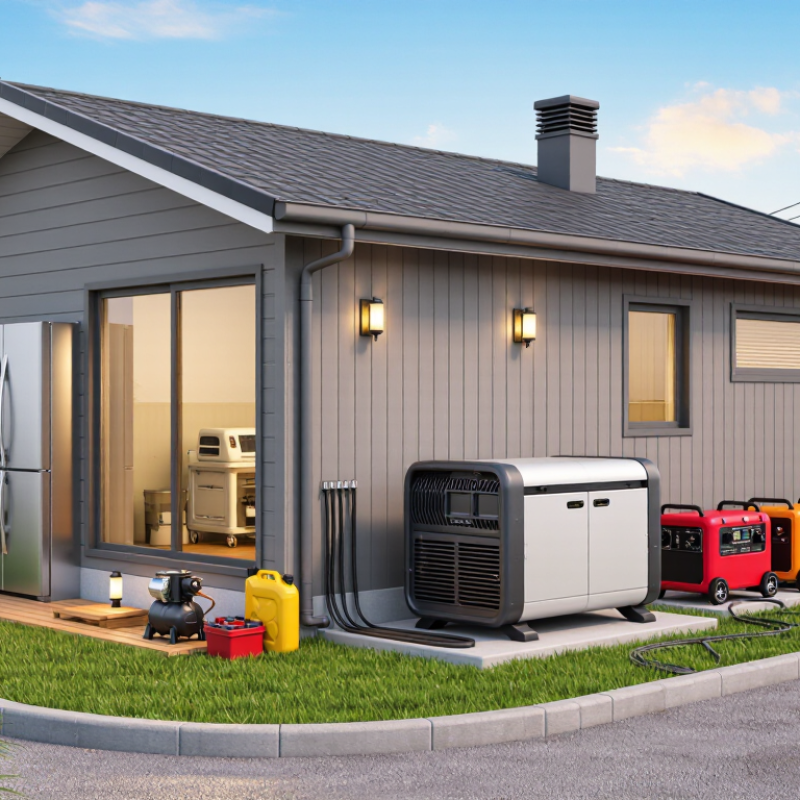
Assess Essential Household Power Needs and Outage Risks
Before choosing a home backup generator, decide what must keep running during an outage. Walk through the house and list essential loads: the refrigerator, a few lights, phone chargers, medical equipment, and perhaps a sump pump. Write it down. Check appliance labels or manuals for running and starting power; motors can briefly draw more when they switch on. Add only the devices you expect to use at the same time, then have an electrician verify the estimate and any transfer-switch requirements.
Outage risk changes the right capacity. Note how often power fails, how long outages usually last, and whether storms, heat, or freezing weather threaten your area. A short evening outage has different demands from a two-day winter disruption. Consider where fuel can be stored safely and whether it will remain available during severe weather. Do not rely on a neighbor’s experience alone; nearby homes may have different wiring, heating systems, or water pumps.
Estimates are imperfect. Household routines change, and a forgotten freezer or well pump can alter the load. Recheck your list seasonally, especially before storm periods. Keep a margin for startup surges, but avoid sizing around every appliance running at once if that is unrealistic. Any fuel-burning generator must operate outdoors, far from doors and windows, never in a home or garage. Have a qualified professional assess installation and safe connection before buying.
Compare Generator Types, Fuel Options, and Operating Limits
Choosing the best home backup generator starts with the loads you truly need, not the biggest number on a product label. List essentials such as the refrigerator, heating system, lights, and medical equipment. Check both running watts and the higher starting demand of motors. A unit that handles steady power may still struggle when a refrigerator compressor starts. I used to overlook that surge. It is an easy mistake.
Portable generators usually cost less and can serve occasional needs, but require safe outdoor placement and manual setup. Standby units can power selected home circuits automatically, though installation and fuel supply need careful planning. Inverter models may run more quietly and suit lighter loads. Compare gasoline, propane, natural gas, or diesel by availability, storage, and expected outage length. Fuel assumptions can be wrong; a long outage changes the calculation. Also check operating limits, including continuous output, runtime, maintenance intervals, and temperature guidance in the manual. Never operate a fuel-burning generator indoors or in an enclosed space; carbon monoxide is odorless and dangerous.
Tips: Write down essential appliances and their wattages before shopping. Ask a qualified electrician about connecting the generator to home circuits. Leave room in your estimate for startup surges, but avoid sizing for every appliance at once. Sleep on the choice, then review your list.
Calculate the Right Generator Capacity for Critical Appliances
To size a home backup generator, list the appliances you truly need during an outage. Check each appliance’s label or manual for running watts and starting watts. Starting demand can briefly jump when a motor turns on. A refrigerator, sump pump, or furnace blower may need much more power at startup than while running.
Start with essentials. For example, a refrigerator might use 700 running watts and need 2,100 to start; a sump pump might use 800 running watts and need 2,400 to start. Add the running watts of appliances operating together, then account for the largest likely startup surge. If both motors could start together, include both startup demands. If you can stagger them, the required capacity may be lower. Compare your maximum estimated demand with the generator’s rated running capacity, not just its advertised peak output.
A neat spreadsheet still misses real-life surprises. A pump may cycle on while lights, a router, and the refrigerator are already running. Leave some capacity in reserve, and verify appliance requirements against their manuals. For a fixed connection to household wiring, ask a qualified electrician to assess the setup and required equipment.
Evaluate Safety Features, Noise Levels, and 2026 Standards
A home backup generator should protect people as well as appliances. Look for automatic shutdown when oil pressure drops, overload protection, and clear status indicators. Carbon monoxide protection matters, but it does not make indoor or garage operation safe. Keep the unit outdoors, away from doors and windows, following its manual and local requirements. Have a qualified electrician plan the connection and transfer equipment. A convenient setup can still be hazardous if installed poorly.
Noise deserves a real-world check. Compare decibel ratings at the same distance and operating load; numbers measured differently can mislead. A unit that sounds modest on paper may disturb bedrooms or nearby neighbors during a long outage. In 2026, verify that the generator and its electrical components carry recognized safety certification for your region. Ask the seller or installer which current electrical and emissions requirements apply locally, since rules can differ. Don’t assume last year’s advice is still current. I would also check maintenance access and test the system before storm season; honestly, people often postpone that test until it matters.
Compare Total Costs, Installation Requirements, and Maintenance Needs
Home backup generators differ in purchase price, fuel costs, installation work, and upkeep. Compare the full cost over several years, not just the equipment quote. A smaller unit may cover a refrigerator, lights, and a furnace blower, while whole-home backup can require a larger system and more complex wiring. List essential circuits before requesting estimates. Small step.
Installation depends on fuel access, placement, transfer equipment, and inspection requirements. A portable generator may cost less upfront, but safe operation still requires an outdoor location and properly rated transfer equipment; never connect it directly to household wiring. A permanently installed system can start automatically, yet site preparation, electrical work, permits, and fuel-line changes may raise the bill. Ask installers to itemize these costs. Compare written scopes, not vague totals.
Maintenance adds another layer. Engine-driven units need scheduled checks, oil changes, battery attention, and periodic load testing; fuel may also age or require proper storage. Battery systems avoid engine service, but usable capacity can decline, making replacement costs important. Keep an annual budget. The awkward part: outage length and household habits are hard to predict. A neat spreadsheet can still miss a winter storm, so check your assumptions against essential loads and likely runtime.