How to Choose the Right Generator Standby for Your Home Needs?
Choosing the right generator standby for your home needs can be daunting. With various options available, understanding your specific requirements is crucial. A generator standby serves as a reliable backup during power outages, ensuring your household remains operational. Many homeowners underestimate the importance of selecting the appropriate model, which can lead to frustration later.
When assessing your home’s power needs, consider essential appliances, heating, and lighting. Calculate the total wattage required to maintain these elements during an outage. It's not just about having power; it’s about having the right power. Some may rush the decision, only to realize insufficient capacity later. This underlines the importance of thorough research and consultation with experts.
The landscape of generator standby options is diverse. Factors like fuel type, noise levels, and space limitations can significantly affect your choice. Seeking advice from professionals can help align your selection with your specific situation. Reflect on your priorities. Finding the perfect balance between capability and budget may require some trial and error. Ultimately, a well-informed choice can enhance your home’s safety and comfort during unforeseen outages.
Understanding the Different Types of Standby Generators for Home Use
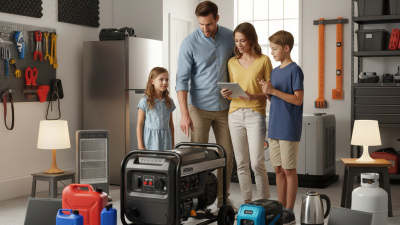
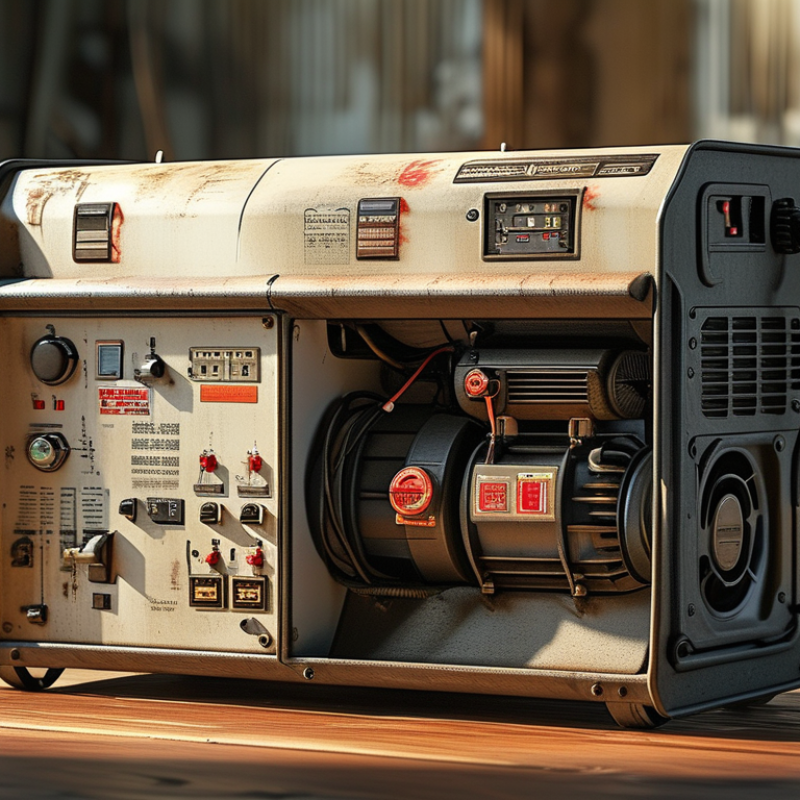
When choosing a standby generator for home use, understanding the different types available is crucial. The three main types are portable, stationary, and inverter generators. Each has unique features that may suit different needs. According to the Generator Manufacturers Association, stationary generators can produce between 5,000 and 20,000 watts, ideal for whole-house power. Conversely, portable generators typically range between 1,000 and 7,500 watts, making them suitable for limited use.
For larger homes, a liquid-cooled generator is often recommended. They run on natural gas or propane and can power multiple circuits simultaneously. This type of generator is reliable during lengthy outages. However, they tend to require professional installation, which can add to the initial cost. On the other hand, portable generators are versatile and can be easily transported. They are usually more affordable but may struggle to power essential appliances during extended outages.
Data from the U.S. Energy Information Administration indicates that roughly 87% of U.S. households experience power outages at some point. Understanding your energy requirements before choosing a generator ensures you invest in the right solution. Many homeowners find it challenging to gauge their energy needs, which can lead to over or underestimating. It's essential to analyze your usage patterns and prioritize critical systems like heating and refrigeration during emergencies.
Determining Your Home's Power Requirements for Generator Sizing
Determining your home's power requirements is critical when selecting a standby generator. Start by assessing essential appliances and systems. According to the U.S. Department of Energy, the average household uses about 877 kWh per month, or roughly 30 kWh per day. This figure will help in estimating your generator's capacity.
Consider the wattage of individual appliances. For instance, a refrigerator consumes about 600 watts, while central air conditioning can draw over 2,000 watts. It's important to calculate the starting wattage as well, especially for devices with motors. A common rule is to add 20% to the running wattage to account for surge power needs.
**Tip:** Make a list of all essential appliances. Include their wattages for accurate calculations.
Also, think about future needs. If you plan to install new appliances, factor those into your power requirements today. A miscalculation may leave crucial systems without power during an outage.
**Tip:** Consult with a licensed electrician for a detailed assessment. They can help identify any overlooked power needs. Consider that your requirements may change, and reevaluate them every few years.
How to Choose the Right Generator Standby for Your Home Needs?
| Power Appliance |
Wattage (Watts) |
Starting Wattage (Watts) |
Operational Time (Hours) |
Required Generator Size (kW) |
| Refrigerator |
200 |
600 |
24 |
1.5 |
| Sump Pump |
750 |
1500 |
8 |
2 |
| LED Lighting |
100 |
300 |
10 |
0.5 |
| Home HVAC System |
3500 |
7000 |
4 |
5 |
| Washing Machine |
500 |
1200 |
6 |
1.8 |
Key Features to Look for in a Standby Generator
When selecting a standby generator, understanding key features is crucial. Start by considering power output. The average home requires between 5,000 and 10,000 watts. This ensures that essential appliances, such as refrigerators and heating systems, remain functional during outages. Assess your energy needs carefully. Oversized generators can waste fuel, and undersized ones may fail to power critical devices.
Another vital feature is fuel type. Most standby generators run on natural gas or propane. Natural gas is convenient and often cheaper, while propane provides elevated storage flexibility. According to the U.S. Energy Information Administration, approximately 48% of households use natural gas. This highlights the importance of considering fuel availability in your area.
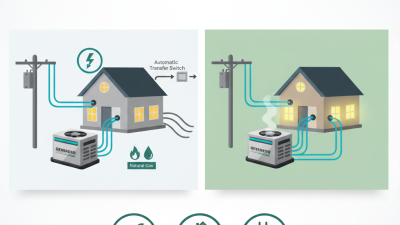
Additionally, check for automatic transfer switches. These devices sense outages and initiate the generator within seconds. Research indicates that homes equipped with these systems can maintain comfort and safety efficiently. Efficient transfer switches help minimize disruptions during emergencies. Remember, investing in a reliable standby generator not only protects your home, but also promotes peace of mind during unexpected power interruptions.
Assessing Fuel Types and Their Implications for Home Use
When selecting a generator for home use, fuel type is crucial. Gasoline is common. It is readily available and offers good energy density. However, gasoline generators often require frequent refueling. According to the U.S. Energy Information Administration, nearly 45% of Americans use gasoline for home backup power.
Diesel generators are more efficient. They provide longer runtimes and better durability. However, diesel fuel can be harder to find during storms.
Propane is another option. It burns cleaner than other fuels. Propane generators emit fewer pollutants. The National Propane Gas Association notes that propane is often chosen for its environmental benefits. Still, it can be more expensive than gasoline. The trade-off is crucial. You might save money on fuel but pay more upfront for the generator.
Natural gas presents a reliable alternative. It connects easily to home lines. This means lower operational costs. But the dependence on local infrastructure could pose risks during outages. Some reports suggest that homeowners should consider storage capabilities as well. Each fuel type has implications worth evaluating. The right choice depends on personal needs and local circumstances.
Installation Considerations and Safety Guidelines for Standby Generators
When installing a standby generator, safety is paramount. Proper placement is crucial. The generator should be installed at least 5 feet away from your home. This prevents harmful exhaust fumes from entering your living space. Check local codes for specific guidelines. Each region may have different requirements.
Tips: Always use a qualified electrician for installation. They can ensure all connections are safe and compliant with regulations. Check your generator’s manual for clear installation instructions as well.
Consider the fuel type carefully. Natural gas is often preferred, but propane is a good alternative. Ensure your fuel source is reliable, especially in emergencies. Fuel tanks need regular checks for leaks or damage.
Tips: Regular maintenance can prolong the life of your generator. Schedule annual inspections to catch potential issues early. You might think your unit is fine, but problems can develop unnoticed over time.
Following these guidelines will enhance safety and reliability. Always prioritize quality and expertise when making decisions related to home energy needs.