How to Choose a House Generator in 2026?
Choosing a house generator in 2026 requires more than comparing wattage and price. It requires a clear view of your home’s risks, electrical loads, fuel access, and installation limits.
The U.S. Energy Information Administration’s Annual Energy Outlook 2025 continues to examine changing electricity demand and grid conditions. Meanwhile, Eaton’s 2024 Blackout Tracker Annual Report documents how power interruptions remain a practical concern for households and businesses. These reports do not prove that every homeowner needs backup power. They do show why resilience deserves careful planning.
A refrigerator, sump pump, medical device, and heating system can create very different demands. A typical family may discover that its 7,500-watt generator cannot start every essential appliance together. Starting wattage matters. So does transfer-switch compatibility.
Safety comes first.
The U.S. Consumer Product Safety Commission warns that portable generators can produce fatal carbon monoxide in minutes. The generator must operate outdoors, far from doors, windows, and vents. Never connect it directly to a household outlet. A qualified electrician should review permanent wiring and grounding requirements.
This guide compares portable, standby, inverter, gasoline, propane, and dual-fuel options. It also considers noise, maintenance, operating cost, weather exposure, and local installation rules. NFPA 110 provides widely recognized guidance for emergency and standby power systems, but local codes still control the final installation.
There is no perfect model. A quieter inverter unit may lack whole-home capacity. A standby system may offer convenience but require higher upfront costs and regular servicing. The right house generator is the one that matches your real loads, realistic budget, and safety responsibilities—not the biggest machine in the showroom.
Understanding Home Generator Types and Their Operating Principles
How to Choose a House Generator in 2026?
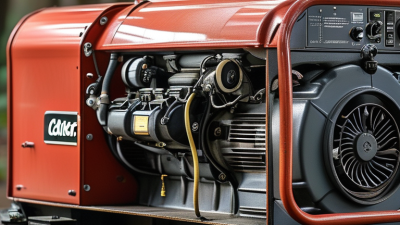
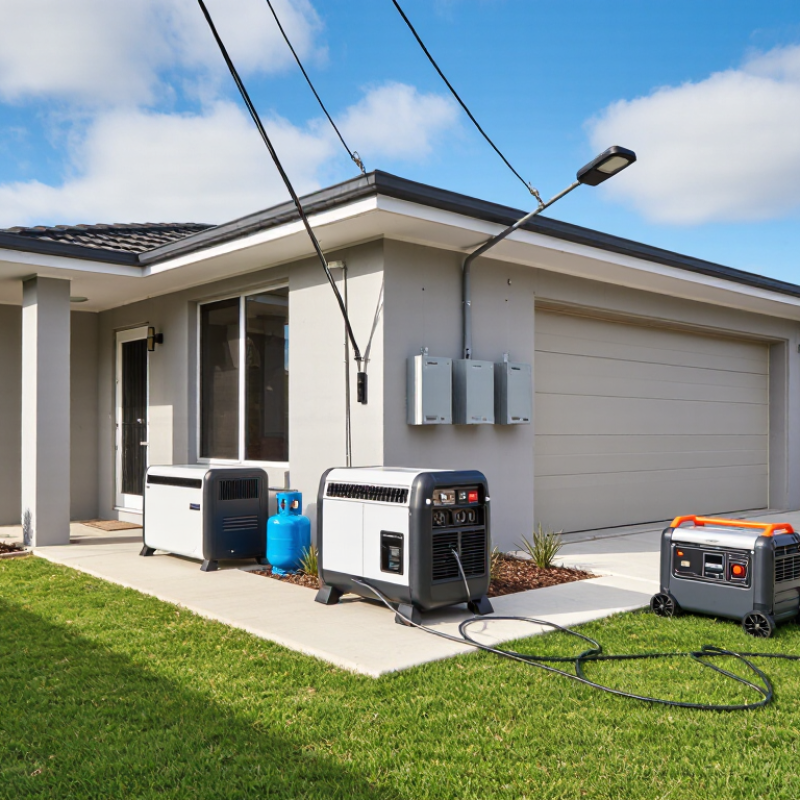
A house generator converts fuel into electricity, but different designs suit different needs. Portable models use an engine and alternator to supply power for selected appliances. They can be moved and stored, but require manual setup and fuel management. Inverter models also generate electricity, then convert it to direct current and back to alternating current. This process can provide steadier output for sensitive electronics and lets the engine adjust its speed to demand. That distinction matters.
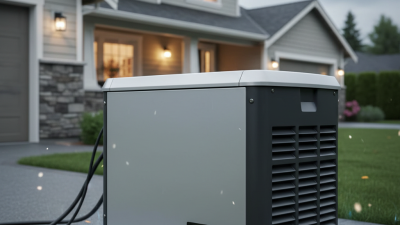
Standby generators are installed outside and connect to a home’s electrical system through a transfer switch. When utility power fails, the switch disconnects the home from the grid before routing generator power indoors. Standby units commonly use natural gas or propane, while portable models often use gasoline or propane. An electrician can assess essential circuits, starting loads, and transfer-switch requirements. Capacity is not just about the number of appliances; motors in pumps and refrigerators can draw extra power when starting.
Outages help explain why operating principles matter. The U.S. Energy Information Administration’s 2022 reliability data reported an average 5.5 hours of customer interruptions, including major events, compared with 2.3 hours excluding them. A few hours may favor a portable unit; frequent or unattended outages may make automatic standby operation more useful. The trade-off is real. Fuel availability, noise, maintenance, and safe outdoor placement also deserve attention. Even a carefully sized generator can disappoint if its fuel supply or starting load is misjudged.
Assessing Household Power Needs and Essential Circuits
How to Choose a House Generator in 2026?
Assessing Household Power Needs and Essential Circuits
Generator sizing should begin with essential circuits, not total household wattage. List the refrigerator, sump pump, heating controls, internet equipment, medical devices, and selected lighting. A small worksheet helps reveal real priorities.
The U.S. Energy Information Administration’s Residential Energy Consumption Survey reports that space heating uses about 42% of household energy. Water heating accounts for roughly 19%, while air conditioning uses about 9% (EIA, 2020 RECS). These figures describe annual energy use, not generator demand. A heating system may consume little electricity while starting, yet its motor can require a sharp surge.
Measure running watts and starting watts separately. Refrigerators often start suddenly. Pumps can do the same. Add the starting wattage of the largest motor to the running load of other essential circuits. Do not assume every appliance will operate together. That assumption is convenient, but often wrong.
A practical setup may power one refrigerator, a gas-heating blower, a sump pump, several lights, and a router. Leave electric ranges, dryers, and water heaters disconnected unless the calculated capacity supports them. A licensed electrician should install the transfer equipment and verify circuit separation. NFPA 110 emphasizes reliable emergency power systems, proper transfer functions, and regular testing. Test the system under load, not only during a quiet monthly start. My own planning rule would include spare capacity, because households rarely behave perfectly during an outage.
How to Choose a House Generator in 2026? - Assessing Household Power Needs and Essential Circuits
Use these typical wattages as a planning guide, not as equipment specifications. Actual demand varies by model, size, age, and operating conditions. Check each appliance’s nameplate or manual before choosing a generator.
| Household load or circuit |
Typical running watts |
Typical starting watts |
Priority and planning notes |
| Refrigerator |
150–400 W |
600–1,200 W |
Essential; allow for the compressor’s brief startup surge. |
| Freezer |
100–300 W |
300–900 W |
Essential when preserving stored food; startup demand depends on compressor size. |
| LED lights on selected circuits |
50–300 W |
Approximately the same as running load |
Essential; estimate only the lights you expect to use at the same time. |
| Internet modem and Wi-Fi router |
10–30 W |
Approximately the same as running load |
Low-wattage essential for communication; include any separate network equipment. |
| Gas furnace controls and blower |
300–800 W |
600–1,600 W |
Often essential in cold weather; confirm the furnace’s electrical load and voltage. |
| Sump pump (approximately 1/3 hp) |
About 800 W |
About 1,300–2,000 W |
High priority where flooding is a risk; use the pump’s nameplate values when available. |
| Well pump (approximately 1/2 hp) |
1,000–1,500 W |
2,000–4,000 W |
Essential for many homes; verify voltage, motor data, and starting requirements. |
| Microwave oven |
1,000–1,600 W |
Usually close to running load |
Useful but optional; input watts can exceed the cooking-power rating shown on the front. |
| Window air conditioner |
500–1,500 W |
1,000–3,000 W |
Optional comfort load; size depends on cooling capacity and compressor type. |
| Central air conditioner (approximately 3-ton system) |
3,000–5,000 W |
6,000–15,000 W or more |
Large optional load; obtain the unit’s electrical data and check whether compatible soft-start equipment is installed. |
| Electric water heater |
4,500–5,500 W |
Usually close to running load |
High-demand, often deferrable load; many homes omit it from a basic backup plan. |
| Electric clothes dryer |
1,800–5,000 W |
Usually close to running load |
High-demand, usually nonessential during an outage; heating-element use drives demand. |
| Electric range or oven |
2,000–8,000 W |
Usually close to running load |
Demand varies widely with burners and oven elements in use; consider cooking alternatives. |
| Electric vehicle charging |
About 1,400–11,500 W |
Generally a steady load |
Usually defer during an outage; charging demand depends on charger settings and circuit voltage. |
Practical Generator Sizing Guide
| Backup plan |
Approximate generator class |
Typical approach |
| Selected essentials |
About 3–7 kW |
Prioritize refrigeration, lighting, communications, and one or two critical motor loads; manage which loads run together. |
| Broader essential-circuit coverage |
About 7–12 kW |
May support more circuits and selected pumps or heating equipment, subject to their starting demand and simultaneous use. |
| More whole-home loads |
About 12–20+ kW |
May cover a wider selection of household loads; central air conditioning, electric heating, cooking, and water heating can require load management or additional capacity. |
How to estimate: Add the running watts of the loads expected to operate at the same time, then check that the generator’s surge rating can handle the largest motor-starting demand that may occur concurrently. Do not simply add every listed starting wattage. Choose a properly rated transfer switch and have electrical connections installed in accordance with local code by a qualified electrician. Never operate a generator indoors, in a garage, or near open windows or doors.
Comparing Fuel, Capacity, Runtime, and Installation Requirements
Choosing a house generator in 2026 means matching its fuel, capacity, runtime, and installation needs to your home. Gasoline models can suit occasional outages, while propane or natural gas may work better for longer backup periods. Fuel availability varies by location, so check what you can reliably store or access. Capacity matters just as much. List essential loads, such as a refrigerator, sump pump, furnace, and a few lights, then ask a qualified electrician to calculate starting and running demand. Motors often need extra power when they start. That detail is easy to miss.
Tips: Compare estimated runtime at realistic loads, not just the advertised maximum. Keep a written list of priority appliances. A little planning helps.
A generator’s installation can shape the choice. Portable units need a safe outdoor operating area and a properly rated transfer setup; never run one indoors or in an enclosed space. Standby systems may require fuel-line work, electrical changes, ventilation clearances, and professional installation. Confirm site conditions before buying. Noise, maintenance access, and local requirements also deserve attention. It is tempting to choose the largest unit for peace of mind, but that can add cost without solving the right problem. My own planning would still leave some uncertainty: outages and household needs rarely follow a neat estimate.
Checking 2026 Safety Standards, Permits, and Transfer Switches
How to Choose a House Generator in 2026?
A generator should fit your home and meet current safety requirements. In 2026, rules can vary by location, so check with your local building or electrical authority before buying. Ask which standards apply to the unit, installation, ventilation, and fuel storage. Do not rely on a sales label alone. A compliant generator can still become dangerous if installed poorly.
Permits may be required for permanent wiring, fuel connections, or a new generator pad. Confirm the process before work begins, and keep inspection records with the product manual. A properly rated transfer switch separates generator power from utility lines and helps prevent dangerous backfeed. Have a qualified electrician select and install it for your system. It is easy to focus on output and overlook this part. That mistake can be costly. Keep the generator outdoors, away from doors and windows, to reduce carbon monoxide risk.
Tips: Make a list of essential circuits, such as the refrigerator, heating controls, and a few lights. Ask your electrician to check the generator, transfer switch, and panel together. Rules change; verify details locally.
Evaluating Total Costs, Maintenance, and Long-Term Reliability
A house generator’s purchase price is only the first line on the bill. Compare installed cost, transfer equipment, fuel storage, and the electrician’s work. EIA’s Electric Power Annual reports that U.S. customers experienced about 5.6 hours of power interruptions in 2022, excluding major events. That national average is a useful starting point, not a promise about your street. A rural home with a well pump may need longer runtime than an apartment with backup heat nearby.
Estimate fuel use from the specific unit’s load chart, then price several hours of operation at your local fuel rate. EIA reported an average U.S. residential electricity price of about 16 cents per kilowatt-hour in 2023; this is context, not a direct generator-cost comparison. Fuel adds up. Include routine oil and filter changes, battery replacement, inspections, and repairs in a five- or ten-year budget. Keep maintenance records, and test the system under load as its manual directs. A quiet monthly test can expose a weak battery before an outage does.
Long-term reliability depends on proper sizing, installation, and upkeep, not just the advertised service life. Ask a licensed electrician to check starting loads from pumps, refrigerators, and heating equipment. Oversizing can raise upfront and fuel costs; undersizing can leave essential equipment offline. I would also leave room in the budget for an imperfect estimate: actual runtime changes with weather, load, and fuel availability.