Top Generator Maintenance Tips for Long Life
A standby generator is easy to overlook—until the lights go out. Then a weak battery, stale fuel, or loose connection can turn a routine outage into a costly delay. That is why generator maintenance should be planned, recorded, and matched to the equipment and its operating conditions. Small checks matter: inspect battery terminals for corrosion, look for coolant leaks, and keep the air intake clear.
The U.S. Department of Energy’s Operations & Maintenance Best Practices: A Guide to Achieving Operational Efficiency presents preventive and predictive maintenance as practical tools for improving equipment reliability. NFPA 110, Standard for Emergency and Standby Power Systems, also provides an established framework for inspecting, testing, and maintaining emergency power systems. These sources offer useful guidance, but they do not replace the generator manufacturer’s manual or a qualified technician’s assessment. Requirements vary by model, fuel type, and site.
Good maintenance is more than changing oil on schedule. Operators should log run hours, exercise the unit under suitable load, and investigate warning lights, unusual vibration, or hard starting. Keep records. A checklist helps, but it can become paperwork if nobody follows up on defects. This guide covers practical steps to reduce avoidable wear, spot problems early, and support dependable performance over the generator’s service life.
Understand Generator Types and Maintenance Requirements
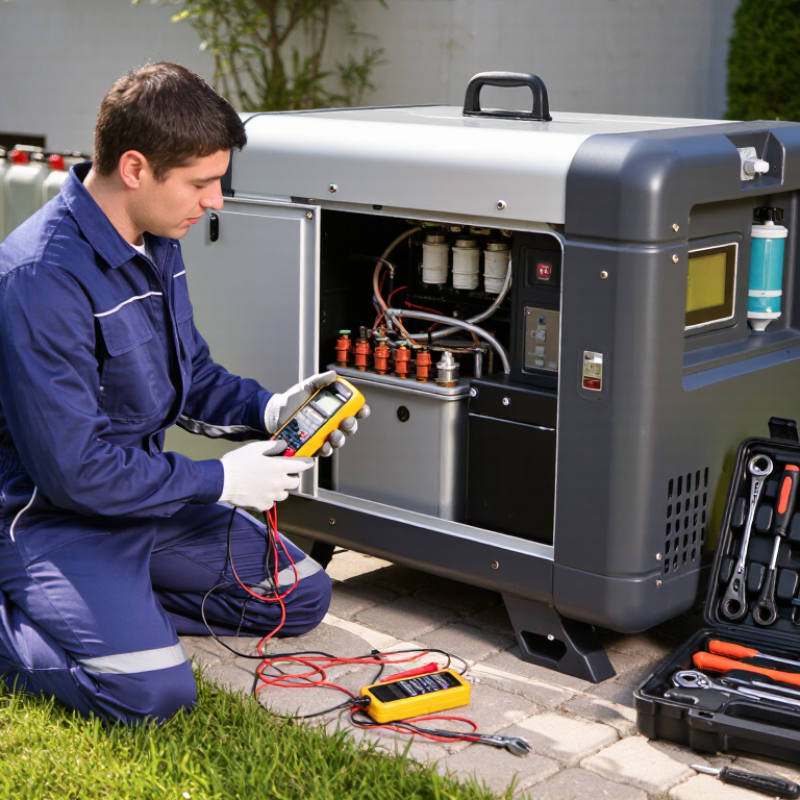
Generator maintenance starts with knowing what is under the cover. Portable gasoline units are often air-cooled, so inspect cooling fins, air filters, spark plugs, and oil more often in dusty or hot conditions. Inverter generators use electronic control systems; keep vents clear and check that their output remains stable under load. Larger standby units may run on diesel or natural gas. Liquid-cooled models need coolant checks, while diesel systems also require attention to fuel quality and water in the separator. Small details matter.
The U.S. Energy Information Administration’s Electric Power Annual 2023 reported that natural gas supplied about 43% of U.S. utility-scale electricity generation. That figure does not describe backup-generator sales, but it shows why gas-engine maintenance knowledge is widely relevant. For standby equipment, NFPA 110 specifies inspection and exercise requirements for emergency power systems; the applicable schedule depends on the system and adopted edition. Follow the unit’s service manual, then record dates, run hours, leaks, battery voltage, and any unusual exhaust or vibration.
Maintenance intervals are not interchangeable. A dusty portable unit may need a filter check sooner than a rarely used standby generator, while stored gasoline can deteriorate between outages. Test transfer operation safely, and use a qualified technician for electrical or fuel-system work. I would not treat a clean exterior as proof of readiness. A dated log beside the generator is a better start.
Top Generator Maintenance Tips for Long Life — Understand Generator Types and Maintenance Requirements
| Generator Type | Maintenance Task | Typical Interval | Why It Matters |
|---|---|---|---|
| Portable gasoline generator | Check engine oil level before use; change the oil as directed for the engine and operating conditions. | Check before each use; oil changes commonly fall within the first 20–50 operating hours and then at intervals specified in the manual. | Correct, clean oil helps reduce engine wear. Dust, heavy loads, and high temperatures may require more frequent changes. |
| Portable gasoline generator | Inspect and clean the air filter; replace it if damaged or excessively dirty. | Inspect regularly, often every 25–50 operating hours; check more often in dusty environments. | A clean filter supports proper airflow and helps prevent dirt from entering the engine. |
| Portable gasoline generator | Inspect the spark plug and replace it if worn, fouled, or damaged. | Check at the interval listed in the owner’s manual, commonly around 100 operating hours or once per season. | A serviceable spark plug helps the engine start and run reliably. |
| Diesel generator | Change engine oil and replace the oil filter according to the engine service schedule. | Intervals vary by engine and load; many small diesel engines specify service within roughly 100–250 operating hours. | Fresh oil and a clean filter help protect internal engine components. Use the specified oil grade. |
| Diesel generator | Drain water from the fuel-water separator, if fitted, and check fuel filters. | Inspect during routine checks and follow the manual; drain water when indicated or found during inspection. | Water and contamination in diesel fuel can impair operation and damage fuel-system components. |
| Liquid-cooled standby generator | Check coolant level and inspect hoses and connections for leaks or deterioration. | Check at the schedule in the manual and before extended operation; inspect more often if a leak is suspected. | Proper coolant level and sound hoses help prevent overheating. Check coolant only when the system is cool. |
| Standby generator with a starting battery | Inspect battery terminals and cables for corrosion, looseness, or damage; check battery condition. | Inspect monthly or as directed by the generator and battery manufacturers. | Battery problems are a common reason an automatic standby unit may fail to start when needed. |
| Air-cooled or liquid-cooled standby generator | Run the scheduled exercise cycle and confirm that the unit starts and operates normally. | Use the controller’s programmed schedule and the owner’s manual; many systems exercise weekly or monthly. | Exercise helps reveal starting or operating issues before an outage. Follow instructions on whether the cycle should run under load. |
| Any generator type | Keep cooling-air openings, the exhaust area, and the enclosure clear; look for debris, damage, or leaks. | Inspect before use and during routine maintenance. | Unobstructed airflow helps control temperature. Never operate a fuel-burning generator indoors or in an enclosed space. |
| Gasoline-powered generator | Use fresh fuel and follow the manual’s storage procedure; use a fuel stabilizer only when appropriate for the fuel and engine. | Check fuel condition before storage and before restarting after storage; storage life depends on fuel, temperature, and stabilizer use. | Old or degraded gasoline can cause hard starting and fuel-system deposits. Store fuel safely and follow local rules. |
Maintenance note: These are general guidelines, not universal service intervals. Always follow the generator and engine manuals, which take precedence and may specify different intervals based on model, load, and operating conditions. Disconnect power and allow hot parts to cool before maintenance; use a qualified technician for electrical or complex engine service.
Related Posts
-
How to Choose the Best Generator Maintenance Service?
-

7 Essential Home Generator Maintenance Tips for Reliable Power Supply
-

How to Choose the Right Home Generator Service for Your Needs?
-
Essential Home Generator Maintenance Tips Every Owner Should Know
-
What is Home Generator Service and Why You Need It?
-
How to Perform Generator Maintenance Properly?