10 Essential Tips for Choosing the Best Home Generator Systems
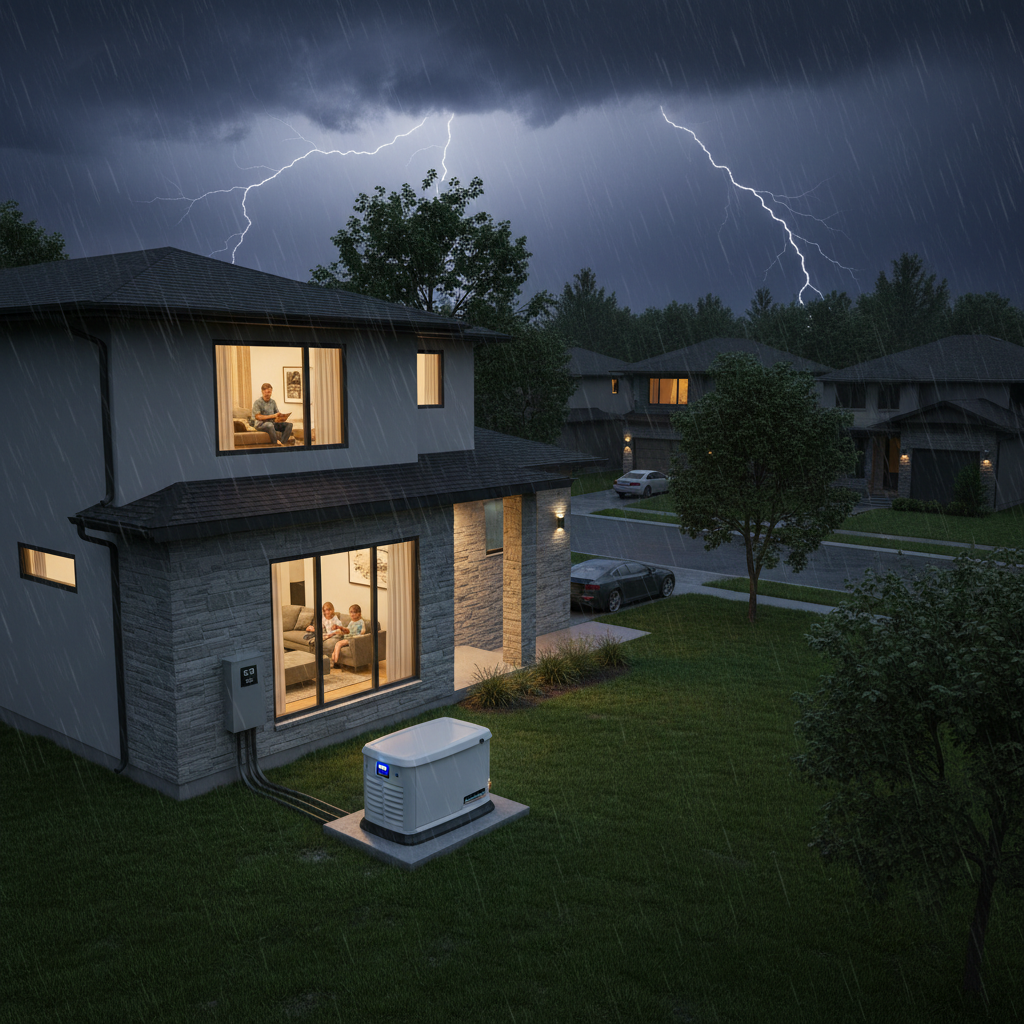
In an era where power outages can disrupt daily life and impact productivity, the importance of choosing the right home generator systems has never been more crucial. According to the U.S. Energy Information Administration, approximately 87 million Americans experienced power outages in 2020 alone, highlighting the growing need for reliable backup power solutions. Home generator systems not only provide peace of mind during unexpected outages but also contribute to a household's resilience against unpredictable weather patterns and grid failures.
The global market for home generator systems is projected to reach $3.5 billion by 2026, as homeowners increasingly recognize the value of investing in energy security. However, with a plethora of options available, selecting the ideal generator can be overwhelming. Factors such as power output, fuel type, noise levels, and installation requirements must be carefully considered to ensure that any investment made will meet specific household needs and expectations.
To help homeowners navigate this complex landscape and make informed decisions, we have compiled ten essential tips for choosing the best home generator systems. By understanding the key features and functionalities of different models, homeowners can ensure they select a generator that not only fulfills their requirements but also enhances their overall living experience during emergencies.
Understanding Different Types of Home Generators: Which Is Right for You?
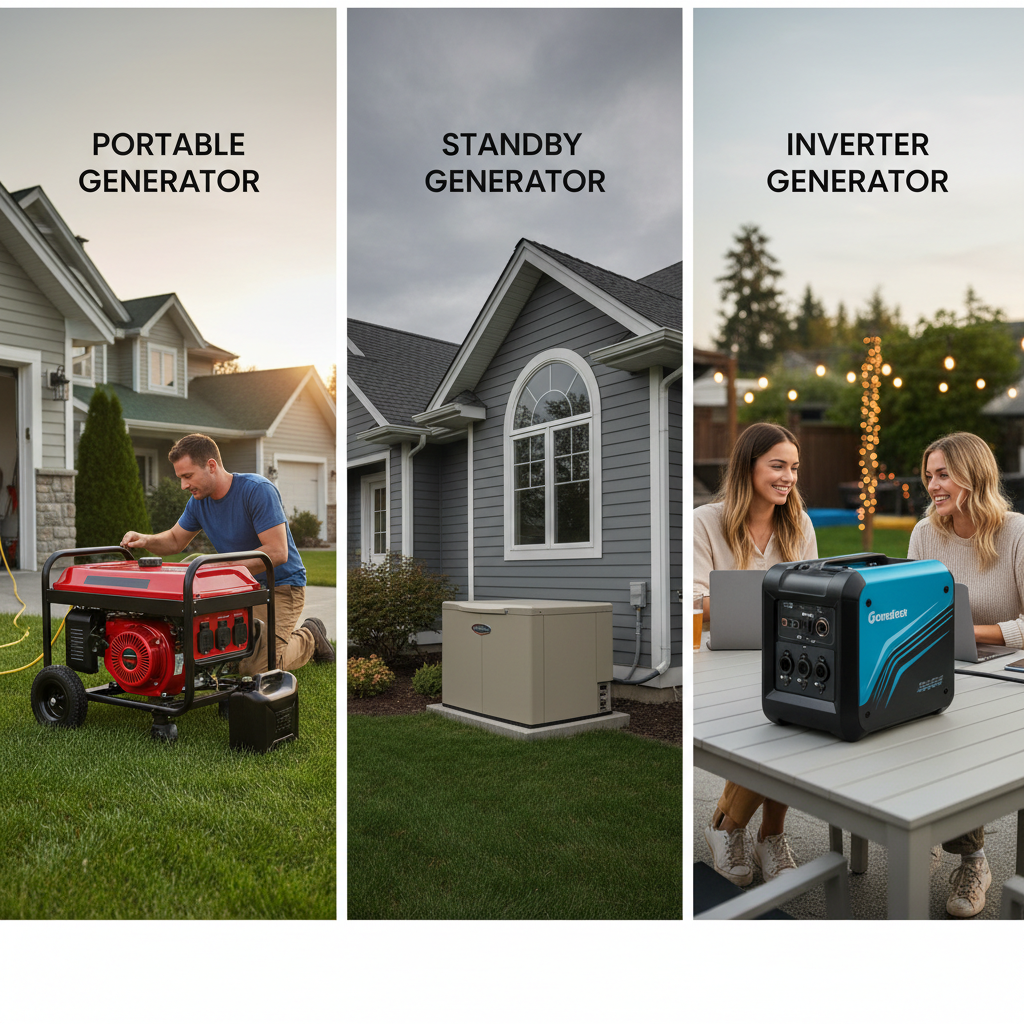
When choosing a home generator system, it's crucial to understand the different types available to find the one that best suits your needs. The three primary categories are portable generators, standby generators, and inverter generators.
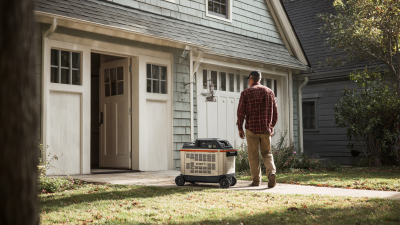
Portable generators are ideal for short-term power outages, offering flexibility and ease of transport. They typically run on gasoline and can power essential appliances but may require manual setup.
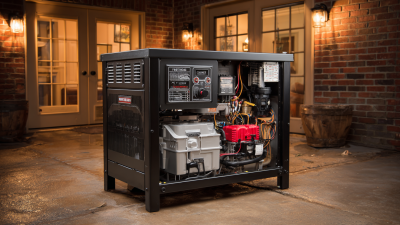
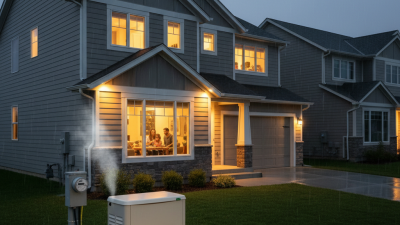
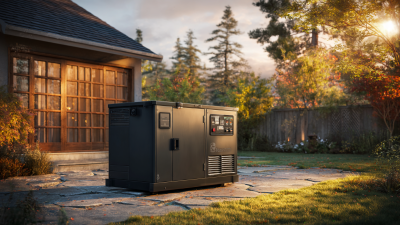
In contrast, standby generators provide a more permanent solution. Installed outside the home, these generators automatically kick in during an outage, supplying power to the entire house. They are generally powered by natural gas or propane, ensuring continuous service without manual intervention. Lastly, inverter generators are known for their efficiency and quieter operation, making them suitable for sensitive electronics and recreational use.
Understanding the specific benefits and drawbacks of each type allows homeowners to make an informed decision that aligns with their lifestyle and energy requirements.
Evaluating Power Needs: How to Calculate the Right Generator Size
When selecting a home generator, one of the most crucial steps is evaluating your power needs. According to the U.S. Department of Energy, the average American household consumes about 877 kWh of electricity per month. To determine the appropriate generator size, begin by listing all essential appliances and their wattage requirements, which you can typically find on tags or manuals. For example, a refrigerator may require approximately 600 watts, while a central air conditioner can range from 3,000 to 5,000 watts depending on its capacity.
Once you have a comprehensive list, it’s essential to calculate the total wattage needed to power these appliances simultaneously. The National Electric Manufacturers Association (NEMA) recommends considering both starting and running wattages, as some appliances necessitate a surge of power to start. As a rule of thumb, add 20-30% to your total wattage for peak load considerations. This method helps ensure that your generator can handle fluctuating energy demands without risking overload, ultimately providing reliable and stable power during outages.
10 Essential Tips for Choosing the Best Home Generator Systems
| Tip Number |
Tip Title |
Description |
Power Rating (Watts) |
| 1 |
Assess Your Power Needs |
Determine which appliances you need to power during an outage. |
5000 - 7500 Watts |
| 2 |
Consider Automatic Transfer Switch |
This device automatically activates the generator during a power outage. |
N/A |
| 3 |
Fuel Type |
Choose between gasoline, propane, or diesel based on availability and preference. |
N/A |
| 4 |
Portability |
If you need a backup for camping or other portable uses, consider lightweight models. |
3000 - 5000 Watts |
| 5 |
Run Time |
Check how long the generator will run on a full tank of fuel. |
8 - 12 Hours |
| 6 |
Noise Level |
Look for models rated for quiet operation, especially for residential use. |
50 - 70 dB |
| 7 |
Safety Features |
Look for features like low-oil shutdown and overload protection. |
N/A |
| 8 |
Warranty |
Consider the warranty period and what it covers for peace of mind. |
1 - 3 Years |
| 9 |
Ease of Use |
Look for user-friendly controls and operation features. |
N/A |
| 10 |
Research and Reviews |
Check online reviews and ratings to find reliable models. |
N/A |
Key Features to Look for in a Reliable Home Generator System
When selecting a reliable home generator system, there are several key features you should consider. Firstly, the power output capacity is crucial; you need enough wattage to support your essential appliances during an outage. Look for generators that provide a continuous power rating and consider a higher capacity if you plan to run multiple devices simultaneously.
Another important feature is fuel efficiency. Generators come in various fuel types, including gasoline, propane, and diesel. Each has its advantages and disadvantages in terms of cost, availability, and longevity. In addition, consider the runtime, especially if you live in an area prone to extended power outages. A generator with a longer runtime will offer greater peace of mind.
Finally, don't overlook the importance of portability and ease of use. If you need to move the generator, look for lightweight models with wheels and handles. User-friendly controls and a digital display can significantly enhance your experience, allowing for quick setup and monitoring. These elements ensure that you choose a home generator system that is not only effective but also convenient for your needs.
10 Essential Tips for Choosing the Best Home Generator Systems
This bar chart displays the importance level of various key features to consider when choosing a reliable home generator system. Each feature is rated on a scale from 1 to 10, with 10 being the most important. Consider these factors to ensure you select a generator that meets your needs effectively.
Budgeting for Your Home Generator: Cost vs. Value Considerations
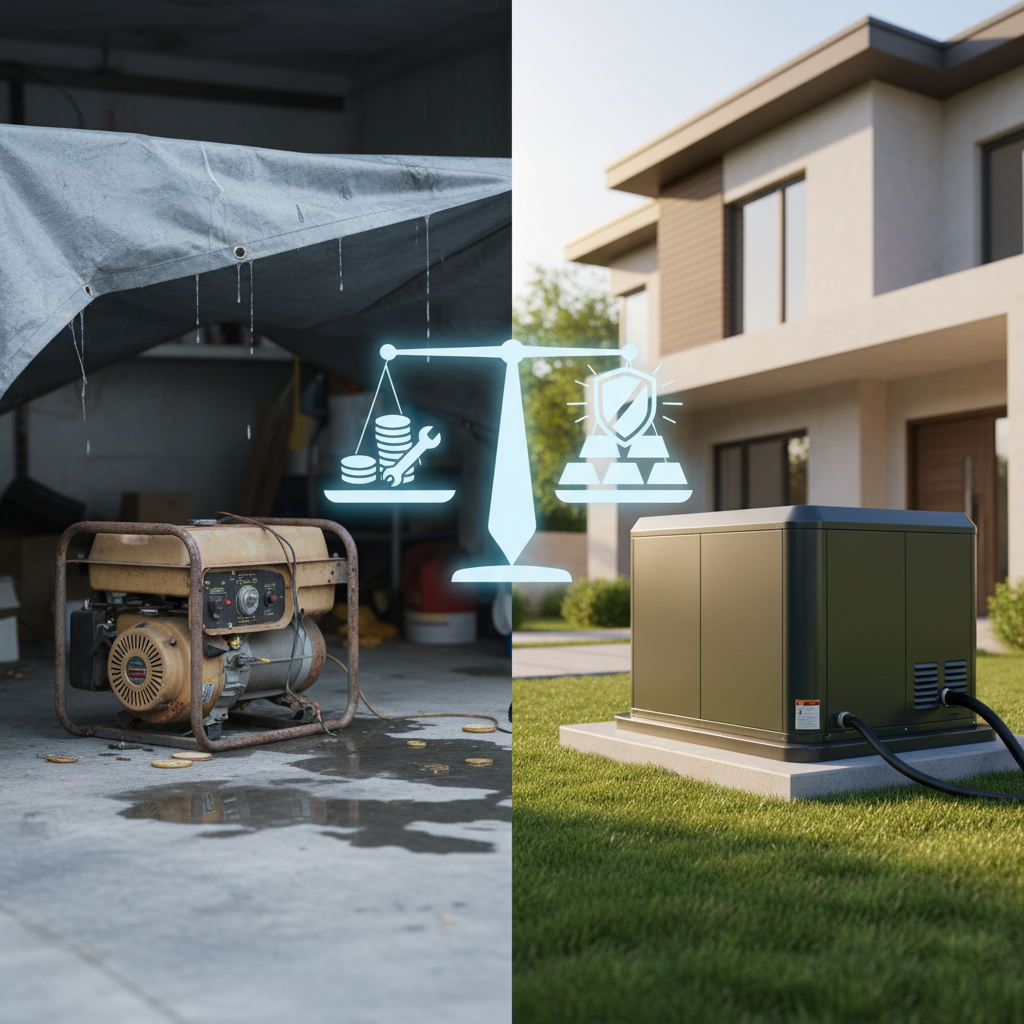
When selecting a home generator, the balance between cost and value is crucial. Initially, it’s important to set a budget that aligns with your energy needs, desired features, and potential usage scenarios. While lower-priced models may seem appealing, they often sacrifice durability, efficiency, or power output.
Investing slightly more upfront in a generator with a strong warranty and reputable brand can lead to significant savings in maintenance and operation over the long term.
Moreover, consider the specific requirements your household may face. A generator capable of powering essential appliances during an outage is invaluable, particularly in areas prone to severe weather. Assessing the total wattage necessary for your specific needs aids in avoiding the pitfall of underpowering your home.
In addition to initial costs, factors like fuel efficiency and operational noise level should be weighed to measure the overall value of the generator.
Making informed decisions on these fronts ultimately ensures that the generator serves you well in times of need, providing utility and peace of mind.
Safety and Maintenance Tips for Long-lasting Generator Performance
When selecting a home generator system, prioritizing safety and maintenance is crucial for ensuring long-lasting performance. According to the National Fire Protection Association (NFPA), improperly installed or maintained generators can lead to serious hazards, including carbon monoxide poisoning and electrical fires, which result in thousands of injuries annually. Implementing proper ventilation and adhering to local fire codes can significantly mitigate these risks. Homeowners should also invest in a generator with built-in safety features such as automatic shut-off systems, which can prevent overload and potential damage.
Routine maintenance is equally important. The Electrical Generating Systems Association (EGSA) recommends that homeowners conduct regular inspections at least twice a year, checking for fuel leaks, air filter conditions, and battery health. Studies show that nearly 70% of generator failures can be attributed to lack of maintenance. Keeping the generator's fuel system clean and ensuring that oil levels are adequate can enhance its operational efficiency and lifespan. By following these safety and maintenance tips, homeowners can ensure that their generator functions reliably when needed most, ultimately safeguarding their home against unexpected power outages.