10 Essential Tips for Choosing the Best Power Generator for Home Use?
Choosing the right power generator for home use is crucial. A reliable generator provides security during power outages. It can also support your daily activities with ease. The market offers various models, each with unique features and specifications.
When selecting a power generator for home applications, it's important to understand your needs. How much power do you require? Consider the appliances you want to run. Additionally, think about the size and portability of the generator. A heavy machine can be difficult to move. Sometimes, the most powerful generator isn't the best choice for a home setting.
Evaluating the noise levels is also vital. A loud generator can disrupt your daily life, especially during the night. Understanding fuel sources is another key factor. Gasoline, diesel, and propane generators all have their pros and cons. Each choice impacts convenience and operating costs. By considering these aspects, you can make a well-informed decision for your home needs.
Understanding Your Power Needs for Home Generators
When selecting a power generator for home use, understanding your specific power needs is crucial. A report by the U.S. Energy Information Administration indicates that the average American home uses about 877 kWh per month, equating to roughly 30 kWh daily. Generators vary widely in capacity, from portable models generating about 1,000 watts to larger standby units producing over 12,000 watts. Knowing your energy consumption patterns is vital in deciding which generator will suffice during an outage.
Start by identifying essential appliances. A refrigerator requires about 600 watts, while a small air conditioning unit can consume around 2,000 watts. Conversely, items like LED light bulbs only need 10 watts. If you add up the wattage, you may find that your ideal choice is not as clear-cut as it seems. For example, using multiple high-demand devices simultaneously could necessitate a generator with a starting wattage two to three times higher than the running wattage. Disregarding this fact can lead to underperformance and frustration.
Research emphasizes the risk of overloading generators. Manufacturers report that nearly 30% of home generator users face issues due to miscalculation of power needs. This highlights the importance of diligent assessment when choosing a generator. A thorough understanding of your home's energy requirements can significantly enhance safety and efficiency. Be cautious, as even a small miscalculation can lead to inadequate power supply.
Different Types of Power Generators and Their Applications
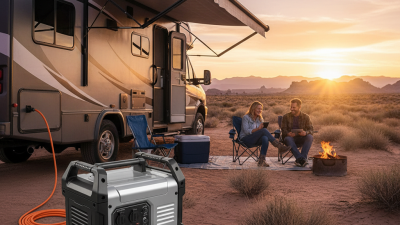
When considering power generators for home use, understanding different types is crucial. Portable generators offer versatility. They work well for camping or emergencies. Imagine a summer storm knocking out your power. A portable generator can keep your fridge running and your lights on, restoring comfort in stressful situations.
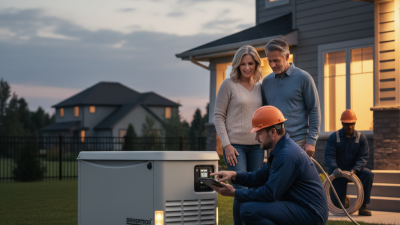
Standby generators are another option. They connect directly to your home's electrical system. This seamless integration provides immediate backup power during outages. However, installation requires a professional. You might reflect on whether your home’s needs justify this investment.
Inverter generators are user-friendly. Their compact size makes them ideal for smaller spaces. They produce clean energy, suitable for sensitive electronics. Yet, the noise factor can be overwhelming. If you live in a quiet neighborhood, consider this before purchasing. Balancing power needs and noise levels is important for a satisfactory experience.
Power Generator Types and Their Applications
Key Features to Look for in a Home Power Generator
When selecting a home power generator, specific features are crucial for usability.
Consider the generator's wattage capacity.
This determines how many appliances you can run simultaneously. For essential home devices, aim for a generator that provides at least 3000 watts.
This ensures you can power your refrigerator, lights, and other essential equipment without issues.
Fuel type is another key factor. Generators commonly use gasoline, propane, or natural gas. Each has its pros and cons.
Gasoline is readily available but can be less efficient.
Propane offers longer storage. Think carefully about your access to fuel sources.
Noise level is often overlooked. A quieter generator is preferable, especially for residential areas.
Don’t ignore safety features like automatic shut-off and overload protection.
These features significantly reduce risks during operation. Reflect on your personal needs.
Ask yourself about the primary reasons for your generator. Evaluating your requirements can help guide your purchase.
Also, consider portability if you plan to move the generator around.
A heavy generator can be cumbersome. Ultimately, being mindful of these details will lead to a better purchasing decision.
Evaluating Generator Capacity and Run Time Requirements
When considering a power generator for home use, evaluating the generator's capacity is crucial.
Determine the total wattage of appliances you intend to power. Add the starting wattage for devices that require more energy to start.
This will help in selecting a generator that can handle both everyday use and abrupt power demands.
Run time is another vital factor. Most manufacturers provide estimated run times at specific loads.
However, real-world conditions can impact this. Think about how long you may need to operate without refueling.
A generator that runs for only a few hours may not meet your needs during extended outages. Additionally, consider your fuel options.
Some fuels offer longer run times than others.
Don’t overlook the noise level. A quieter generator may be more appealing if you have neighbors nearby.
Additionally, portability may be important depending on your lifestyle. Assess where you plan to use the generator and the ease with which you can move it.
Making a choice involves balancing these factors and understanding your specific needs. It's important to reflect on your priorities
and the implications of your choice.
Safety Considerations When Using a Home Power Generator
When considering the safety of home power generators, understanding potential hazards is crucial. According to the Consumer Product Safety Commission, more than 70 fatalities occur each year in the U.S. from carbon monoxide poisoning related to generator use. This often happens when generators are improperly placed indoors or near windows. Always position generators at least 20 feet away from your home.
The risk of fire is another significant concern. Inappropriate fuel storage can lead to dangerous situations. The National Fire Protection Association advises that gasoline should be stored in approved containers and kept in a well-ventilated area. Ensure that your generator has proper ventilation. Overheating can lead to malfunction and fires, so it is essential to monitor its operation closely.
Protective gear should be considered when handling fuel. Use gloves and goggles to minimize exposure. Remember that generators can overload, which may cause them to shut down unexpectedly, posing a risk to appliances connected to them. According to a report from the Electric Power Research Institute, approximately 10% of generator users reported issues with overloads. Regular maintenance is key to maximizing safety and reliability.
10 Essential Tips for Choosing the Best Power Generator for Home Use
| Tip Number |
Consideration |
Details |
Safety Measures |
| 1 |
Power Output |
Determine the wattage needed for your home appliances. |
Use devices within the generator's capacity to prevent overload. |
| 2 |
Fuel Type |
Choose between gasoline, propane, or natural gas options. |
Store fuel safely in approved containers away from heat sources. |
| 3 |
Noise Level |
Check the decibel rating for noise considerations. |
Keep the generator at a distance from living areas to reduce noise exposure. |
| 4 |
Portability |
Consider a lightweight design if you need to move it often. |
Always lift with proper techniques to avoid injury. |
| 5 |
Safety Features |
Look for features like circuit breakers and low oil shutoff. |
Regularly inspect safety features to ensure proper function. |
| 6 |
Run Time |
Check fuel consumption and the duration of operation per tank. |
Keep an adequate supply of fuel handy for extended outages. |
| 7 |
Voltage Stability |
Look for generators with inverter technology for sensitive electronics. |
Use surge protectors for additional safety with electronics. |
| 8 |
Maintenance |
Consider ease of access for maintenance tasks. |
Follow the manufacturer's maintenance schedule for safety. |
| 9 |
Cost |
Balance affordability with necessary features and performance. |
Invest in quality to avoid safety hazards and costly repairs. |
| 10 |
Reviews and Recommendations |
Research user feedback and expert reviews for informed choices. |
Seek multiple sources to validate safety and performance claims. |