What is a Home Backup Generator and How It Protects Your Family During Power Outages?
In an era where electricity is considered a vital necessity for modern living, the occurrence of power outages can pose significant challenges for families. According to the U.S. Energy Information Administration, more than 60 million Americans experience power outages each year, with some lasting for several hours or even days. This alarming statistic underscores the importance of having a reliable means to ensure the safety and comfort of your household during such disruptions.
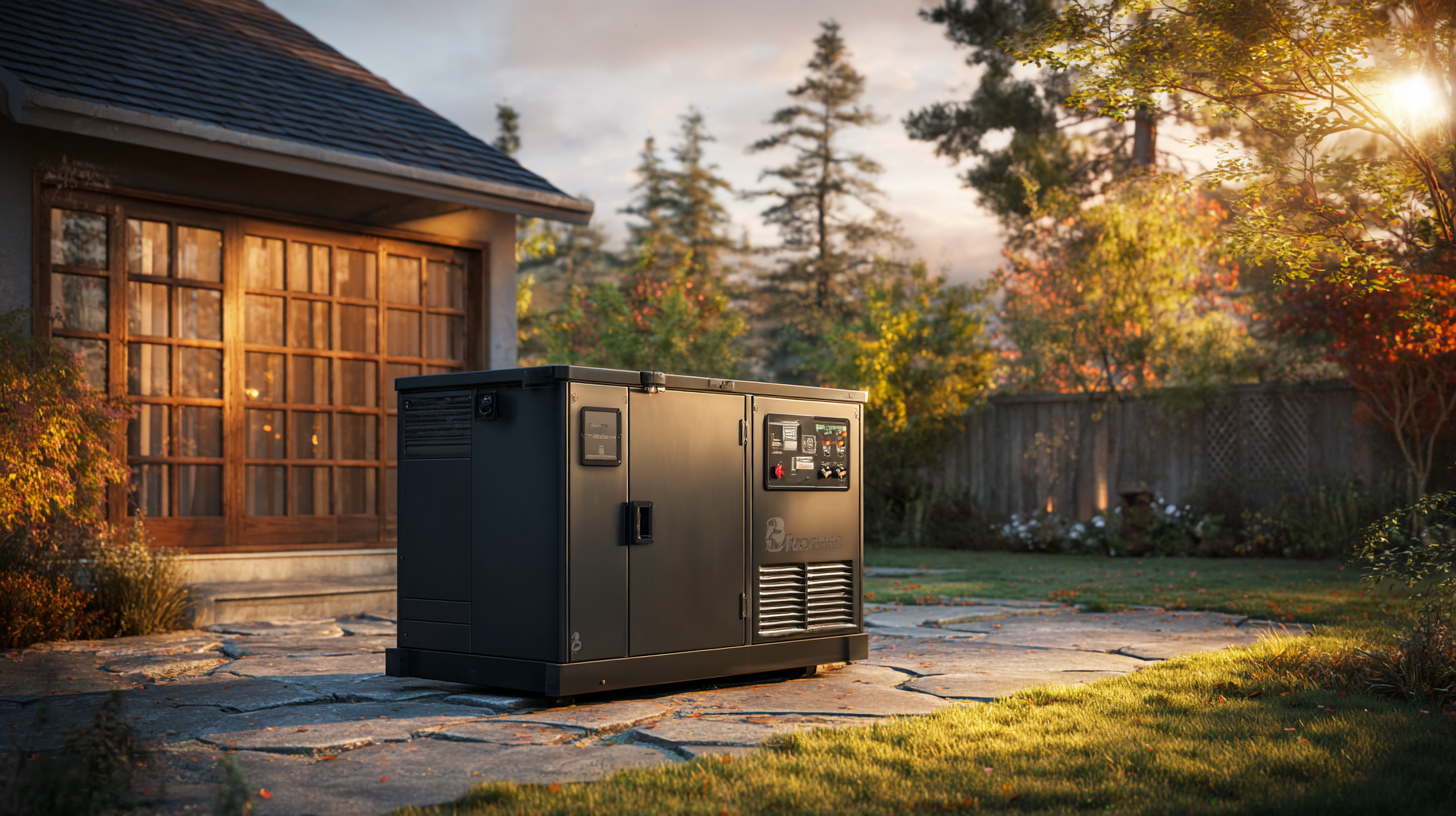 Home backup generators emerge as a crucial solution to mitigate the risks associated with unexpected power loss.
Home backup generators provide an uninterrupted power supply, allowing families to maintain their daily routines, keep essential appliances running, and enhance safety measures during emergencies. A recent report from the National Association of State Energy Officials emphasized that more than 20% of U.S. homeowners are investing in backup power solutions, highlighting a growing awareness of energy independence. These generators not only protect your family's comfort but also safeguard important medical equipment, refrigeration systems, and communication devices during outages.
As the frequency of extreme weather events increases, the demand for home backup generators continues to rise. Experts predict that the global generator market value is expected to reach $29 billion by 2026, demonstrating a strong trend towards securing reliable power sources at home. Choosing the right home backup generator can be pivotal in protecting your family and ensuring preparedness in times of crisis.
What Defines a Home Backup Generator and Its Functionality
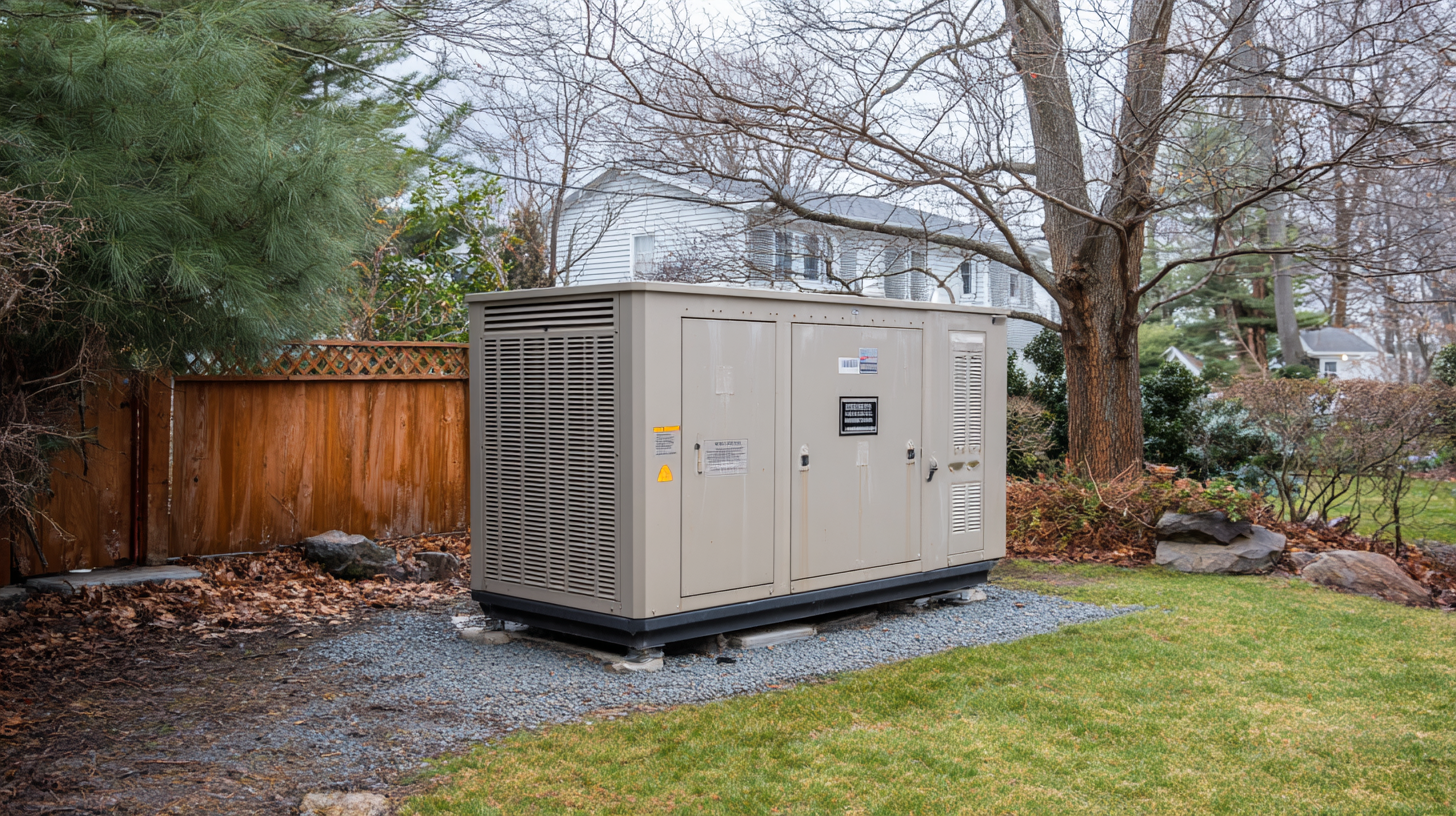
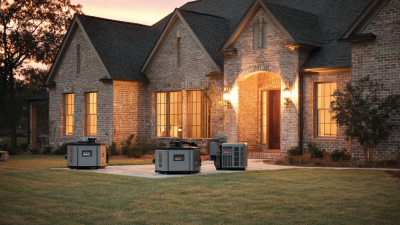
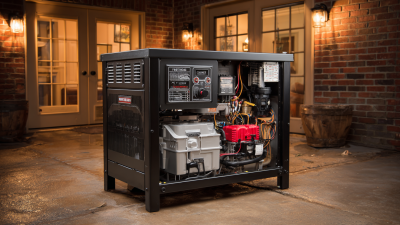
A home backup generator is a crucial device designed to provide temporary power during outages, ensuring that essential appliances and systems remain operational. It functions by automatically kicking in when it detects a power failure, supplying electricity to your home until grid power is restored. This not only keeps your lights on but also maintains the functionality of critical systems like refrigeration, heating, and medical equipment.
Tips: When selecting a home backup generator, consider the fuel types available—natural gas, propane, diesel, or electric. Each has its pros and cons based on cost, availability, and environmental impact. Additionally, assess your power needs; a properly sized generator will provide the necessary wattage to keep your most critical devices running without overload.
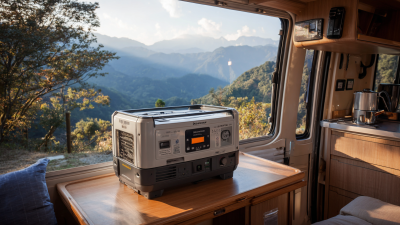
Moreover, with advancements in technology, electric vehicles (EVs) have emerged as innovative alternatives. Certain EVs can harness their battery power to supply electricity to homes in emergency situations. This “Vehicle to Home” capability means that during a power outage, you can tap into your EV’s battery, making it an efficient backup source. This dual functionality can be especially beneficial, offering peace of mind when facing potential blackouts.
Home Backup Generator: Power Output During Outages
Understanding the Mechanisms Behind Home Backup Generators
Home backup generators serve as a critical lifeline during power outages, ensuring that essential appliances remain operational and families stay comfortable and safe. These generators come in various types, including natural gas, propane, diesel, and electric options. According to recent industry reports, a well-sized home generator can run essential systems for days without interruption, covering everything from refrigeration to heating, which is especially vital in areas prone to severe weather events.
The technology behind home backup generators has evolved significantly. For instance, electric vehicles are now being developed to double as backup power sources, leveraging their large battery capacities. This innovation not only provides peace of mind but also enhances energy efficiency during outages. Furthermore, modern generators now incorporate renewable energy solutions, offering families portable systems that are cleaner and more sustainable. As experts note, understanding the specific power requirements of your household can lead to more efficient and effective generator choices, ensuring that the right model is in place before an emergency strikes.
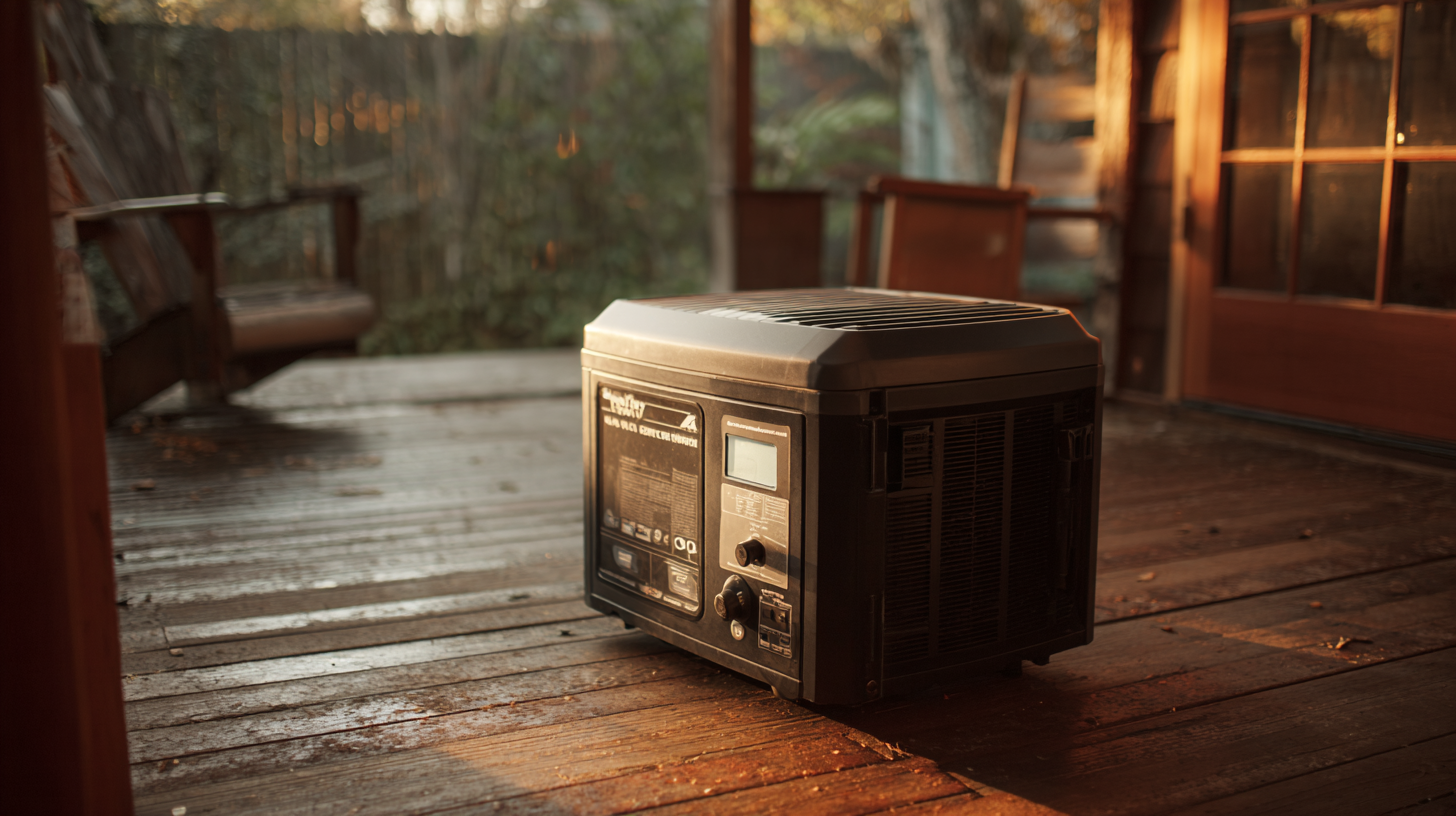
Key Benefits: How Backup Generators Safeguard Your Family
Home backup generators are essential devices that provide electricity during unexpected power outages, ensuring that families remain safe and comfortable. One of the key benefits of these generators is the immediate restoration of power to critical appliances. This means essentials like refrigerators, heating systems, and medical equipment can continue operating, thereby safeguarding health and maintaining normalcy in daily routines. The reliability of a backup generator can alleviate the stress and uncertainty that comes with power failures.
Another significant advantage is the protection it offers against potential dangers associated with prolonged outages. For example, without power, homes can become susceptible to extreme temperatures, leading to health risks, particularly for vulnerable family members such as children and the elderly. Backup generators help mitigate these risks by ensuring that heating or cooling systems remain functional. Additionally, they can power security systems, keeping homes safe from intrusions, and preserve the contents of food storage. Overall, backup generators serve as a vital investment for any household, providing peace of mind during unpredictable emergencies.
Essential Features to Consider When Choosing a Backup Generator
When selecting a home backup generator, several essential features come into play to ensure reliable performance during power outages. One of the most crucial aspects is the generator's power output, typically measured in watts. According to the U.S. Department of Energy, a home requires approximately 5,000 to 7,500 watts to run essential appliances like refrigerators, lights, and heating systems. Choosing a generator with adequate wattage is vital to keep your family comfortable and safe during unexpected outages.
Another critical consideration is fuel type. Backup generators can run on propane, natural gas, or diesel. A report by the American Gas Association highlights that natural gas generators tend to provide a more consistent power supply and are generally more convenient since they can be directly connected to a natural gas line, eliminating the need for manual fuel storage. Furthermore, factors such as noise level and portability should influence your choice; quieter models are often preferred in residential areas to reduce disturbance, while portable options provide flexibility for outdoor use or extended household mobility. Evaluating these features will enable you to select a generator that best meets your family's needs.
Maintenance Tips for Ensuring Your Generator's Reliability During Outages
A home backup generator is a crucial investment for families who want to ensure uninterrupted power supply during outages. However, possessing a generator is just the first step; maintaining it in top condition is essential for reliable performance when you need it the most. Regular maintenance can make the difference between a generator that works and one that fails when you need it.
One key tip for maintaining your generator is to frequently check the oil levels and change the oil according to the manufacturer's recommendations. Old or degraded oil can lead to engine damage, reducing the lifespan of your generator. Additionally, make it a habit to inspect and replace air filters and fuel filters as needed. Dirty filters can restrict airflow and fuel delivery, causing your generator to run inefficiently.
Another important tip is to run your generator periodically, even when there are no outages. This practice allows you to test its functionality and keep the components lubricated. Regularly running the generator for a brief period helps identify potential issues before an emergency arises, ensuring your family remains protected during unforeseen power cuts.