A power outage can turn ordinary routines into a practical problem: the refrigerator warms, lights go dark, and a furnace may stop. Home back up generators provide temporary electricity when the utility supply fails. They are not all alike. Some connect to selected household circuits, while standby models can supply a larger share of a home’s needs.
Electrical-safety educator Mike Sokol has emphasized a vital rule: generators must operate outdoors, with exhaust kept away from doors and windows. This is a paraphrase, not a verbatim quotation. Carbon monoxide has no color or smell, so safe placement matters as much as choosing the equipment. A transfer switch, installed by a qualified professional, can also help prevent dangerous backfeeding into utility lines.
How does a generator turn fuel into usable power? What can it run, and how do automatic standby systems respond when the grid goes down? The answers depend on the generator’s output, fuel source, and connection method. Sizing can be less obvious than it looks. A unit’s headline wattage does not explain every startup surge or household priority. This guide explores the main types, explains how they work, and identifies details worth checking before a purchase. Because every home has different loads, the right choice starts with a realistic list—not a guess.
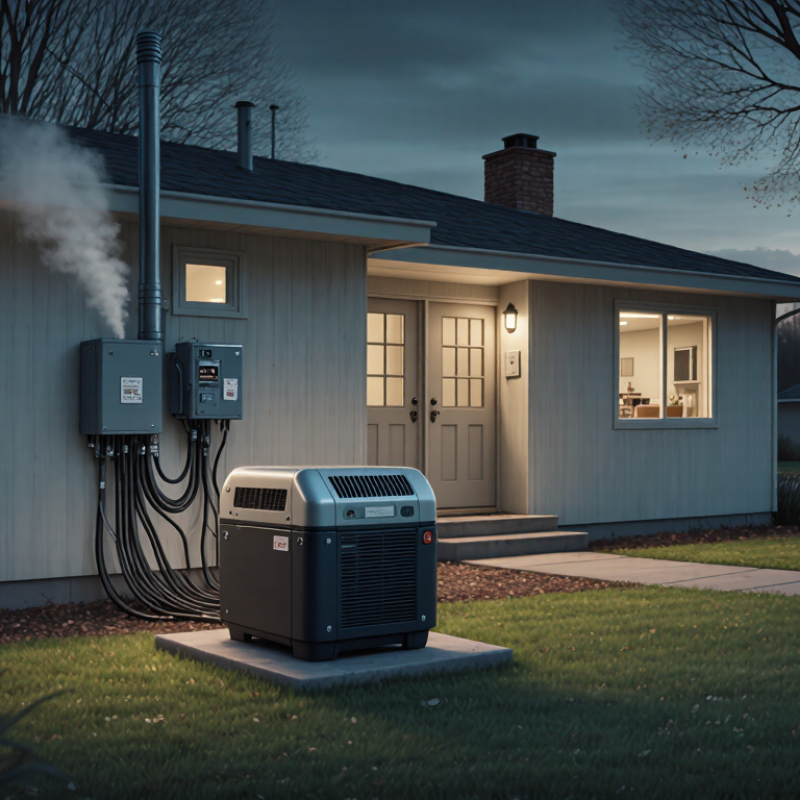
A home backup generator is a machine that provides electricity when utility service is interrupted. It typically uses an engine powered by gasoline, propane, natural gas, or diesel. Its job is to supply selected household circuits or, with suitable capacity and installation, much of a home. It is not automatically a whole-house solution. A compact portable unit may keep a refrigerator, a few lights, and a phone charger running, while a permanently installed standby system can serve more circuits. The difference matters on a cold night, when a furnace may draw more power than expected.
Many standby generators connect to a transfer switch, which separates the home’s circuits from the utility supply and directs them to generator power during an outage. Portable models are generally set up for temporary use and need careful connection planning.
They must operate outdoors, well away from doors and windows, because exhaust contains carbon monoxide.
A qualified electrician can assess the home’s electrical panel and explain what the system can safely support. Capacity labels can be confusing; real demand depends on which appliances start together. That detail is easy to overlook. A generator also needs fuel, routine maintenance, and a dry, accessible place for installation or storage.
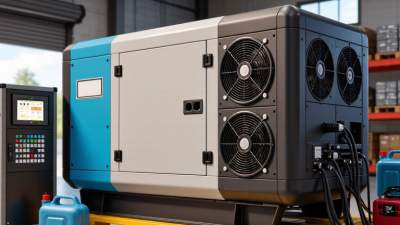
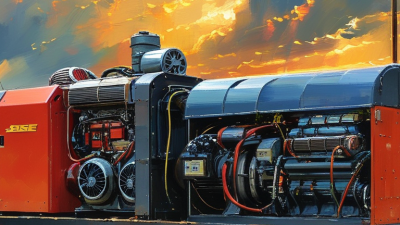
A home backup generator system is more than an engine beside the house. Its engine burns fuel, such as natural gas, propane, or diesel, to create rotation. That rotation drives an alternator, which produces electricity for selected household circuits. The engine needs fuel, air, cooling, and a clear exhaust path to operate reliably. Small details count.
A transfer switch connects the generator to the home’s electrical panel when utility power fails. It also disconnects the house from the utility supply, helping prevent dangerous backfeeding. In automatic systems, sensors and controls start the generator and manage the transfer. Manual systems require someone to start the equipment and operate approved switching hardware. A battery powers starting, while the control panel displays status, warnings, and service reminders.
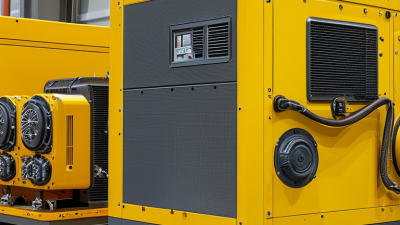
The enclosure shields outdoor equipment from weather, but airflow and exhaust clearance remain essential. Sound dampening can reduce noise, though no enclosure makes a generator silent. Sizing depends on starting loads, not only the wattage printed on appliances. A refrigerator may draw extra power at startup, and well pumps can do the same. A diagram helps, but actual household loads can be less predictable than expected. Have a qualified installer check connections, grounding, fuel lines, ventilation, and local requirements before use.
When utility power fails, the transfer switch detects the outage and signals the engine to start. The engine drives the alternator, which produces electricity; once output is stable, the transfer switch connects selected home circuits to generator power. The time ranges shown are illustrative and vary by system and settings.
A home backup generator usually works with an automatic transfer switch, which monitors the electricity entering the house. When utility power disappears or falls outside acceptable voltage limits, the switch registers the problem. It may wait briefly before responding, since a momentary dip does not always mean a lasting outage. That pause matters. The exact delay depends on the equipment and its settings.
After confirming the outage, the controller signals the generator to start. The engine cranks, then runs for a short warm-up period while its output is checked. When the power is stable, the transfer switch disconnects the home from the utility line and connects selected household circuits to the generator. Lights may flicker during the changeover, and some systems take longer than others. When utility power returns and remains steady, the switch transfers the circuits back, then the generator cools down and stops. This sequence sounds seamless on paper; real systems still need testing and maintenance.
Tips: Have a qualified installer explain which circuits are backed up and how the system handles heavy loads. Keep the generator outdoors, well away from windows and vents, because exhaust can contain dangerous carbon monoxide. Test the system according to its manual, and don’t assume it is ready just because it started once.
| Topic | What Happens | Useful Details |
|---|---|---|
| Home backup generator | An engine-driven system that supplies electricity to selected household circuits or, when properly sized and installed, a larger portion of the home during an outage. | Systems may be permanently installed standby units or portable generators connected through an approved transfer arrangement. |
| Outage detection | A standby system’s automatic transfer switch monitors incoming utility power and detects when voltage or frequency moves outside its acceptable operating range. | Detection settings and any delay before starting vary by equipment and installation. |
| Engine start | After an outage is confirmed, the control system signals the generator to start. A battery-powered starter turns the engine, which then runs on its configured fuel. | The generator needs a suitable fuel supply and a maintained starting battery to operate reliably. |
| Power stabilization | Once running, the generator reaches its operating speed and produces electrical power. The system checks that output is within its required limits before connecting the home. | The time required depends on the generator and transfer-switch controls. |
| Transfer to generator power | The transfer switch disconnects the home from utility power and connects the designated circuits to generator power. | A correctly installed transfer switch helps prevent generator power from feeding back into utility lines. |
| Power restoration | When utility power returns and remains stable for the system’s programmed period, the transfer switch reconnects the home to utility power. | Many standby systems then run briefly without household load to cool the engine before shutting down. |
| Portable generator operation | Most portable generators are started and operated manually. They do not automatically detect a household outage unless specifically configured with compatible automatic controls. | Use an approved transfer switch or connection method installed in accordance with local electrical requirements; never connect a generator directly to a wall outlet. |
| Fuel and runtime | Home generators may use natural gas, propane, gasoline, or diesel, depending on the model and installation. | Runtime depends on fuel availability, load, generator capacity, and operating conditions. Fuel systems require safe installation and maintenance. |
| Choosing household loads | The generator must be sized for the appliances and circuits it will serve, accounting for both running power and the higher starting demand of some motors. | A load assessment can help prioritize essentials such as refrigeration, lighting, heating controls, or medical equipment. |
| Carbon monoxide safety | Generators produce carbon monoxide, a poisonous gas that cannot be seen or smelled. Operate them outdoors, never inside a home, garage, or other enclosed or partly enclosed space. | Follow the manufacturer’s placement instructions and public-health guidance, including keeping the unit at least 20 feet from doors, windows, and vents when feasible, with exhaust directed away from the building. |
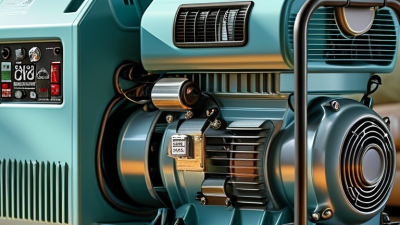
A home backup generator converts fuel energy into electrical power when utility service fails. Its engine turns a shaft connected to an alternator. Inside the alternator, a rotating magnetic field passes stationary copper windings, inducing alternating current. In simple terms, motion becomes electricity. A voltage regulator helps keep the output within a usable range.
The generator does not usually feed a home directly. A transfer switch disconnects the house from the utility line, then connects selected circuits to generator power. That switch matters: it helps prevent electricity from flowing back onto utility lines. As a practical detail, the generator’s rated output determines which loads can run together. A refrigerator, furnace fan, and several lights may fit; adding an electric range could exceed capacity.
The U.S. Energy Information Administration reported about 5.6 hours of average customer interruptions in 2022, including major events. That figure gives useful context, though local outage patterns vary. During an outage, the transfer switch may operate automatically on a standby system, while a portable unit typically needs manual setup. Fuel supply, ventilation, and regular maintenance affect whether power arrives when needed. It is easy to overestimate what one unit can support. The load list deserves a second look.
Home backup generators supply electricity when the grid fails, but fuel choice affects runtime and upkeep. Portable models commonly use gasoline or propane and need to be started and connected when an outage occurs. Standby systems are permanently installed and may run on natural gas or propane. Each option has trade-offs: gasoline can be difficult to store safely for long periods, while gas supply can be disrupted during some emergencies. That matters.
Estimate capacity by listing essential appliances and checking their running and starting watts. A refrigerator may draw extra power when its compressor starts, so adding only running wattages can produce an undersized system. Choose which loads truly need backup, such as refrigeration, a sump pump, or selected lights. A rough estimate helps, but it can still miss brief startup surges; an electrician can verify the load calculation.
Installation requirements depend on the generator type, fuel connection, and local rules. Standby equipment usually needs a level base, suitable clearances, and a correctly sized transfer switch installed by a qualified professional. The switch prevents generator power from feeding back into utility lines. Portable units must operate outdoors, away from doors and windows, because exhaust contains carbon monoxide. Keep fuel and exhaust planning practical: a setup that looks convenient on paper may be awkward to maintain during a storm.