Why You Need a House Generator for Emergency Power Supply
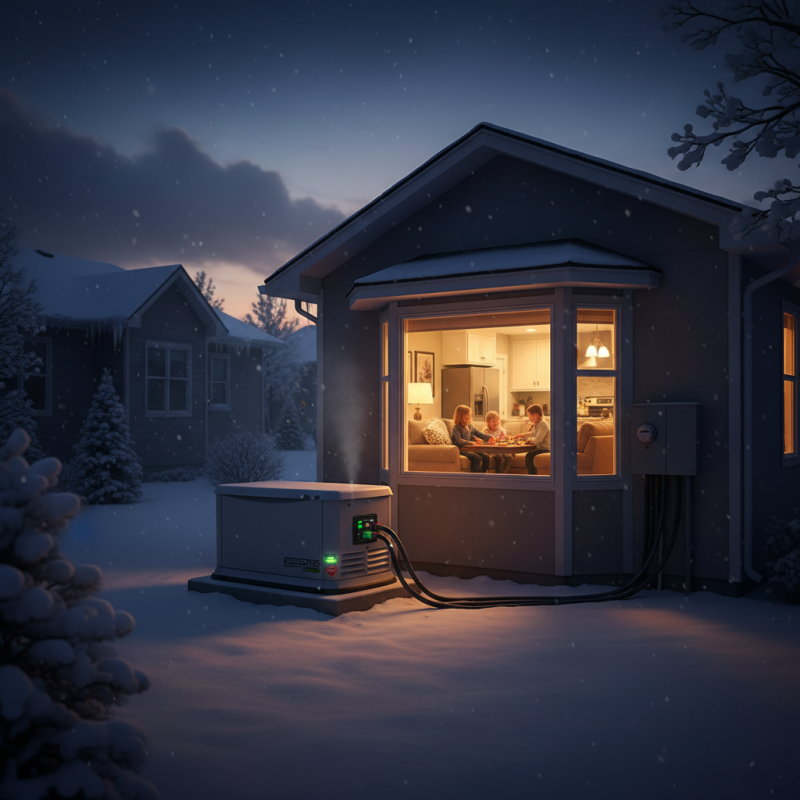
In our unpredictable world, power outages have become more common. Whether caused by severe weather or accidents, the impact can be severe. Imagine a cold winter night without heat or a hot summer day without cooling. This is where a house generator comes into play. It acts as a reliable backup during emergencies, keeping your home functioning.
Having a house generator is not just a luxury; it is a necessity for many households. These devices ensure that essential appliances stay powered. Refrigeration, heating, and medical devices require consistent electricity. Without them, situations can become dire quickly. However, many people overlook the importance of preparing for these scenarios.
Investing in a house generator can provide peace of mind. Yet, some might hesitate, fearing costs or complexity. It’s essential to weigh these concerns against potential risks. Preparing for emergencies is not about fear but about empowerment. A house generator can transform your experience during an outage from chaos to calm.
The Importance of Emergency Power Supply for Homeowners
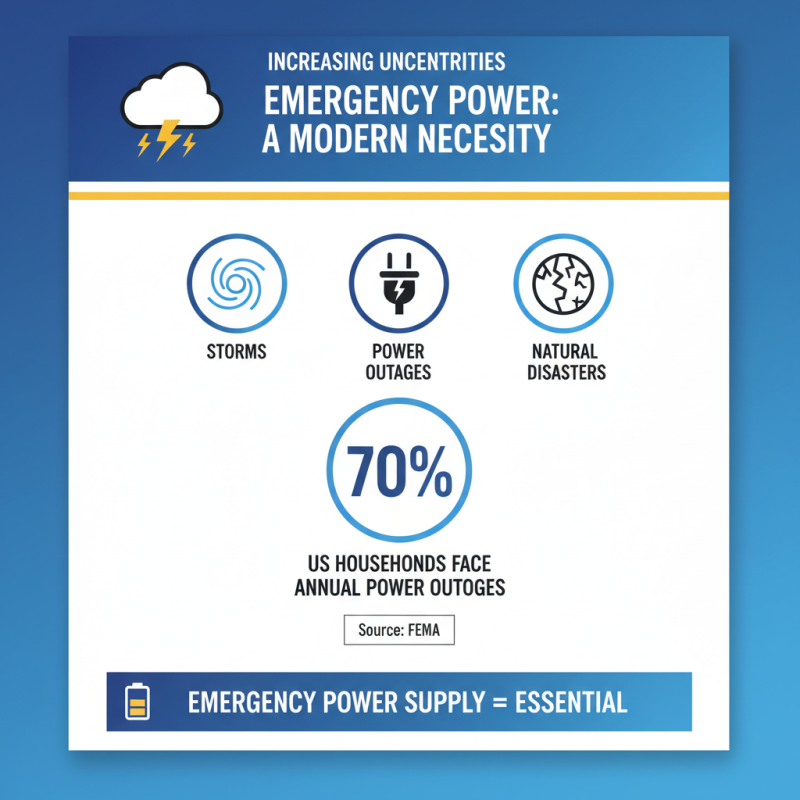
In today’s world, homeowners face increasing uncertainties. Storms, power outages, and natural disasters are on the rise. According to the Federal Emergency Management Agency (FEMA), nearly 70% of U.S. households experience power outages every year. This statistic highlights a crucial need. Emergency power supply has become more vital than ever.
When the lights go out, it’s not just an inconvenience. Food spoilage, lack of heating or cooling, and disruption of daily life occur. A survey by the American Red Cross found that 35% of households lacked a basic emergency plan. This is alarming, given that 90% of Americans live in areas prone to extreme weather events. A house generator ensures homeowners can maintain a semblance of normalcy during emergencies.
The typical power outage lasts around 3 hours, but some extend for days. This gap can cause significant stress and loss. Investing in a generator for emergency power supply might seem costly upfront, yet it offers peace of mind. Think about your family's safety and comfort. Have you evaluated your emergency preparedness lately? You might be far from ready.
Understanding the Functionality of House Generators
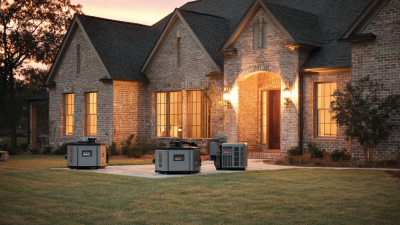
House generators serve a crucial role during emergencies. They provide backup power when the main supply is interrupted. This can happen due to severe weather, accidents, or utility failures. With a generator, you can keep essential appliances running. Imagine having lights, refrigeration, and heat available when you need them most. It’s a real comfort during stressful times.
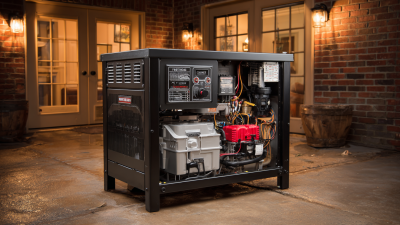
Understanding how house generators function is key. They convert fuel into electricity. Most models use propane, natural gas, or diesel. The generator starts automatically in a power outage. This can save you scrambling in the dark. An important detail is the transfer switch. It ensures that power flows safely to your home without backfeeding into the grid. But not all generators are equal. Some are capable of powering whole houses. Others are limited to essential circuits only. It's worth considering your needs carefully.
Installation and maintenance require thought. Generators need regular checks to function properly. Neglect can lead to malfunctions during a crisis. Some people overlook this aspect and face issues when the power goes out. Additionally, understanding noise levels is important. Generators can be loud, disturbing neighbors. A too-large generator may cause more problems than it solves. Ultimately, a house generator can be a lifesaver but requires responsible ownership to truly serve its purpose.
Key Benefits of Having a House Generator Ready
When the power goes out, having a house generator can make a big difference. One major benefit is peace of mind. Knowing that you have backup power ensures you can stay comfortable during emergencies. This means light in your home, running a heater in winter, or keeping your fridge cold.
Another reason to consider a generator is its role in maintaining safety. Power outages can lead to dangerous situations. Without power, your security system may fail. A generator helps keep your home secure. It also ensures that medical devices remain operational for those who depend on them.
Despite the benefits, owning a generator requires some reflection. Maintenance is essential. A generator that isn't properly cared for can fail when you need it most. Think about fuel storage, regular checks, and user knowledge. It’s not always straightforward, but the advantages often outweigh the challenges.
Why You Need a House Generator for Emergency Power Supply - Key Benefits of Having a House Generator Ready
| Benefit |
Description |
Value |
| Uninterrupted Power Supply |
Provides a reliable source of electricity during outages. |
High |
| Safety |
Reduces risks associated with power failures, e.g., food spoilage, heating issues. |
Very High |
| Convenience |
Allows continued use of appliances without interruption. |
High |
| Increased Property Value |
Homes with generators may have a higher market value. |
Moderate |
| Emergency Preparedness |
Enhances readiness for natural disasters and other emergencies. |
High |
Criteria for Choosing the Right Generator for Your Home
When choosing a house generator, consider your power needs carefully. According to a report from the U.S. Department of Energy, 30% of power outages last more than an hour. This can disrupt daily activities and threaten safety. A reliable generator ensures essential appliances stay operational, especially during severe weather.
Evaluate the generator's wattage. A household typically requires between 3,000 and 7,500 running watts. Smaller units may not power crucial items like refrigerators or heating systems. Critically, assess your home’s peak demands. Generator overload can cause failures, leading to costly repairs. User reviews often mention frustration when mismatched power solutions fail during emergencies.
Noise levels are another important factor. Generators can reach up to 70 decibels, which may be disruptive in a quiet neighborhood. Many homeowners overlook this aspect. Fuel type impacts both efficiency and operation costs. Gasoline generators are common but can be impractical for long outages. Opting for dual-fuel models can enhance convenience and reliability. Reflecting on these criteria will guide you to a generator that meets your specific requirements.
Maintenance Tips for Ensuring Generator Reliability During Emergencies
When a storm hits, power outages can last for days. A generator is essential in these situations. Yet, many skip the critical maintenance phase. Regular checks can prevent malfunctions. Industry studies suggest that 30% of generators fail during an emergency due to poor upkeep. Simple tasks, like checking oil levels, can make a huge difference.
Filtering air and fuel is vital. Clogged filters lead to decreased performance. Reports show that 25% of homeowners overlook this aspect. A clean generator runs more efficiently. It is also crucial to test the generator monthly. Letting it run for a few minutes ensures it’s ready when needed. Surprises can occur. Ignoring these details can be costly in emergencies.
Fuel stability is another point of concern. Stale fuel can cause engines to stall. Experts recommend using fuel stabilizers for long-term storage. Many people have generators but don't think about this. Learning from our mistakes is key. Regular maintenance is more than a checklist. It’s about ensuring reliability when every second counts.