A generator can look ready while hiding a weak battery, contaminated fuel, or a loose terminal. That false confidence is expensive. Proper generator maintenance keeps emergency power available when the utility supply fails, whether the equipment serves a hospital, factory, data center, or construction site.
Industry evidence supports a disciplined approach. The U.S. Energy Information Administration reported that major U.S. power interruptions affected millions of customers in recent years, with severe weather remaining a major cause. The 2023 Eaton Blackout Tracker Annual Report also recorded widespread outage activity across the United States. These figures do not prove that every generator will fail. They show why standby equipment deserves measurable attention. A monthly visual check is useful. It is not enough.
Reliability engineer R. Keith Mobley states, “The goal of predictive maintenance is to detect developing failures before they become functional failures.” That principle applies directly to generator maintenance. Technicians should inspect oil levels, coolant condition, belts, exhaust paths, battery voltage, fuel quality, and automatic transfer operation. A brief load test can reveal problems that a quiet engine conceals. So can a dated inspection log.
The uncomfortable truth is that maintenance programs are often incomplete. A generator may start successfully and still fail under sustained load. Testing may be skipped during busy periods. Records may be vague. This guide examines practical maintenance intervals, inspection details, load testing, fuel management, and documentation. It also questions common shortcuts, because “it started last time” is not a reliable maintenance standard.
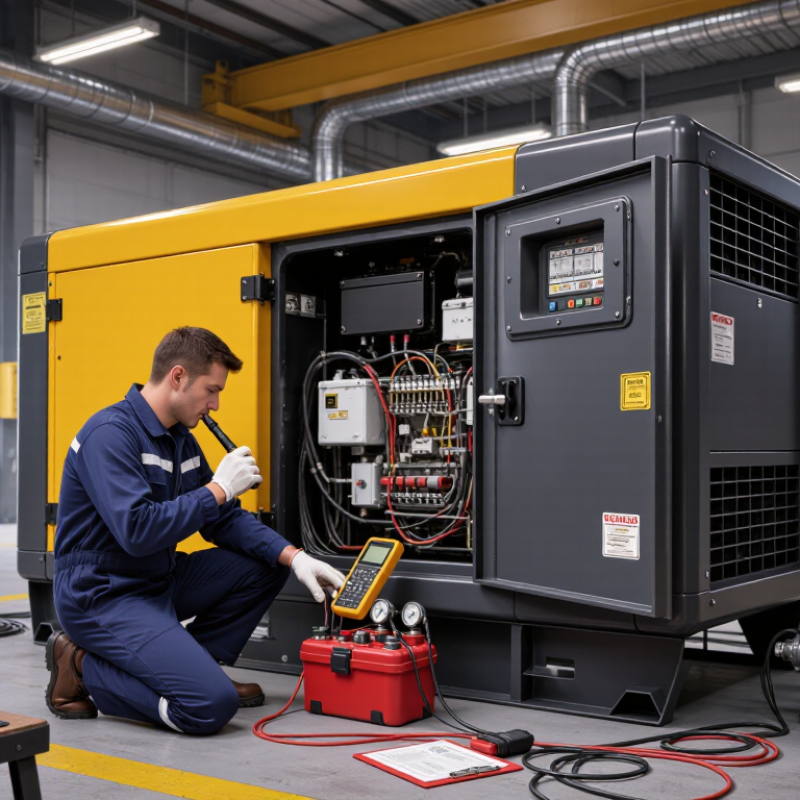
Generator maintenance starts with the manufacturer’s service schedule and the site’s operating conditions. Dust, humidity, long standby periods, and frequent loading can change maintenance needs. Inspect engine oil, coolant, fuel lines, belts, hoses, and air filters at every scheduled visit. Check battery terminals for corrosion and confirm the charger works correctly. Small defects become expensive failures.
Safety controls matter as much as mechanical checks. Shut down the generator before opening guards or touching moving parts. Isolate electrical sources, apply lockout procedures, and verify zero energy with suitable testing equipment. Wear eye protection, gloves, hearing protection, and protective footwear. Never run an engine in an enclosed room. Exhaust contains carbon monoxide, which can become dangerous without warning. Keep ventilation openings clear and store fuel away from ignition sources.
A maintenance test should include a visual inspection, a no-load start, and a controlled load test when the equipment and site rules allow it. Watch for unusual vibration, smoke, unstable voltage, fluid leaks, or abnormal temperature. Record readings, replaced parts, test dates, and corrective actions. Clear records help technicians identify gradual changes instead of guessing. I once underestimated a slightly weak battery because the engine still started. That judgment was poor. A later cold start exposed the problem. Maintenance teams should follow written procedures, use calibrated instruments, and ask a qualified electrician or technician to review uncertain results. Local electrical and fire-safety requirements may also impose additional inspections.
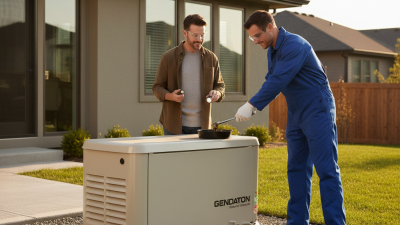
Proper generator maintenance begins before the service panel opens. I inspect the maintenance manual, service interval, and warning labels. The generator must be off, cool, and isolated from every power source. I remove the ignition key and secure the fuel supply when the design allows it. A clean, dry, well-lit workspace prevents small parts from disappearing. Keep a fire extinguisher nearby. Never work in an enclosed room because exhaust can become dangerous quickly.
I prepare insulated hand tools, correct-size sockets, a torque wrench, flashlight, inspection mirror, and a properly rated multimeter. I also set out approved filters, fresh lubricant, replacement seals, absorbent pads, and a labeled drain container. Check each part against the manual before opening its package. Guessing a filter size wastes time and may cause leaks. The multimeter needs a quick visual check for damaged leads. Small details matter.
During servicing, I photograph wire positions and mark disconnected lines with simple tags. This helps when memory fails. I keep bolts in separate trays instead of one mixed pile. I once rushed this step and spent too long matching hardware afterward. That mistake still shapes my routine. Before starting, I check again for loose cloth, spilled fluid, or tools near moving parts. If the manual conflicts with a familiar habit, the manual wins. Stop when anything looks uncertain, and seek qualified technical guidance before continuing.
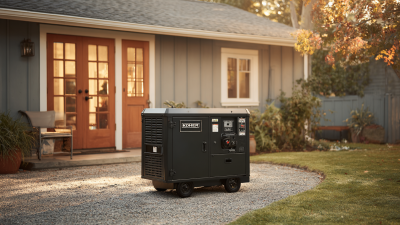
Before servicing, prepare the correct oil, air filter, spark plug, hand tools, drain pan, gloves, and a multimeter. The intervals shown are typical planning values for portable engine-driven generators; always confirm the exact schedule in the generator’s service manual.
Reliable generator maintenance starts with the engine. The Uptime Institute’s 2023 Annual Outage Analysis reported that power problems caused about 54% of significant data-center outages. That figure makes routine inspection more than a paperwork exercise.
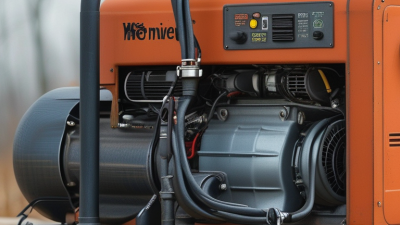
Check oil level, viscosity, and pressure before every scheduled run. Look for metal particles, fuel dilution, or milky oil. An oil analysis can reveal wear before a bearing failure becomes audible. Replace filters according to operating hours, contamination, and laboratory results. Calendar intervals alone can mislead.
Inspect the fuel system with equal care.
Drain water from the separator and examine the tank for sediment, condensation, or microbial growth. ASTM D975 provides quality requirements for diesel fuel, but stored fuel can still degrade. Sample older fuel instead of trusting its appearance. Check hoses, clamps, injectors, and return lines for seepage. Keep vents open and verify the fuel shutoff operates smoothly. Small leaks matter. They also attract dirt.
Lubrication points deserve a written record.
Confirm the correct oil grade, grease fittings, crankcase breather, and coolant condition. NFPA 110, 2022 edition, emphasizes inspection and operational readiness for emergency power systems.
Run the generator under load when permitted, then record voltage, frequency, temperature, and exhaust color. I would not rely on a clean startup alone.
A generator may start perfectly and still fail under load.
Maintenance plans should be reviewed after every abnormal reading, because even experienced technicians can overlook slow changes.
Proper generator maintenance starts with evidence, not a quick visual glance. During each service visit, technicians should record output voltage, frequency, phase balance, and insulation condition. Test transfer operation under controlled load, then compare readings with previous records. A load-bank test can expose weak alternators that pass a no-load start. The 2024 Uptime Institute Annual Outage Analysis reported that 54% of respondents said their latest outage cost more than $100,000. That figure makes electrical testing a risk-control task, not paperwork. Use calibrated meters and qualified personnel. De-energize circuits before insulation testing. Small omissions remain common.
Battery inspections need equal discipline. Measure resting voltage, charging voltage, electrolyte condition, and terminal resistance where applicable. Clean corrosion carefully, and check loose lugs for heat discoloration. Battery age matters, but voltage alone can mislead. Cooling checks should include coolant concentration, hose flexibility, belt tension, radiator fins, and airflow around the enclosure. A faint sweet smell may indicate a leak before the level drops noticeably. Exhaust inspections should examine flexible joints, clamps, silencers, and visible soot. Carbon monoxide testing is essential in enclosed or nearby occupied areas. NFPA 110 emphasizes documented inspection, testing, and maintenance for emergency power systems. I would not treat a successful start as proof of readiness. It only proves one moment. Real reliability requires repeatable test records, realistic loads, and honest attention to defects that seem minor.
How to Perform Generator Maintenance Properly?
Maintenance is not complete when the generator stops. It is complete when each result is captured, reviewed, and scheduled. Record the inspection date, running hours, fuel level, oil pressure, coolant temperature, battery voltage, and exhaust condition. Add load percentage and transfer-switch performance when tested. A clear photograph can support a written observation. Small details often explain larger failures later.
Use a controlled log, not loose paper. The Uptime Institute’s 2024 Annual Outage Analysis reported that 54% of respondents said their latest outage cost more than $100,000. Accurate records can reduce uncertainty during these expensive events. NFPA 110 also requires regular inspection and testing for emergency power systems. Follow the applicable testing frequency for the installation. Record both successful tests and failed attempts. Do not hide an abnormal reading. That weakens the maintenance history.
Schedule the next check before closing the current work order. Use separate dates for routine inspection, battery testing, fuel sampling, coolant service, and load-bank testing. Base intervals on operating hours, standby time, site conditions, and the equipment manual. A dusty room may need shorter intervals. Review trends monthly. A slowly falling battery voltage deserves attention, even if the engine still starts. Our records are not always perfect. Missing readings should be marked clearly, not guessed. The next technician needs facts, not optimism. Perform a supervisor review after every corrective action, then confirm the repair under load.
| Record ID | Generator ID | Service Date | Operating Hours | Maintenance Type | Oil Level and Condition | Coolant Level | Battery Voltage | Load Test Result | Filters and Belts | Findings and Corrective Actions | Overall Status | Next Service Check | Responsible Technician |
|---|---|---|---|---|---|---|---|---|---|---|---|---|---|
| GM-2026-001 | GEN-001 | 2026-01-08 | 1,248 h | Monthly inspection | Level normal; clean appearance | Normal; no visible leaks | 12.7 V | 75% load for 60 min; passed | Air filter clean; belts tensioned | Battery terminals cleaned and protected | Pass | 2026-02-08 or 1,298 h | Maintenance Technician A |
| GM-2026-002 | GEN-002 | 2026-01-15 | 2,016 h | Quarterly service | Darkened oil; changed with filter | Normal; freeze protection checked | 12.5 V | 80% load for 60 min; passed | Fuel filter replaced; belts satisfactory | Oil and fuel filters replaced; no abnormal noise | Pass | 2026-04-15 or 2,266 h | Maintenance Technician B |
| GM-2026-003 | GEN-003 | 2026-01-22 | 3,487 h | Monthly inspection | Level slightly low; topped up | Below mark; hose clamp tightened | 12.3 V | 75% load for 60 min; passed | Air filter replaced; belt wear acceptable | Coolant seepage corrected; recheck required | Monitor | 2026-02-05 or 3,537 h | Maintenance Technician C |
| GM-2026-004 | GEN-004 | 2026-02-03 | 876 h | Monthly inspection | Level normal; no contamination | Normal | 12.8 V | 60% load for 60 min; passed | Filters clean; belt tension within range | Emergency stop and alarms tested successfully | Pass | 2026-03-03 or 926 h | Maintenance Technician A |
| GM-2026-005 | GEN-005 | 2026-02-10 | 4,102 h | Semiannual service | Changed; used oil sample collected | Normal; concentration recorded | 12.6 V | 100% rated load for 60 min; passed | Air and fuel filters replaced; belts replaced | Scheduled service completed; vibration readings normal | Pass | 2026-08-10 or 4,852 h | Maintenance Technician B |
| GM-2026-006 | GEN-006 | 2026-02-18 | 1,654 h | Monthly inspection | Level normal; minor darkening | Normal | 11.9 V | 75% load for 60 min; passed | Filters satisfactory; belt alignment corrected | Battery charged; replacement recommended before next quarter | Monitor | 2026-03-04 or 1,704 h | Maintenance Technician C |