What Is Kohler Generator Service and Why Is It Important?
A standby generator can seem invisible until the power fails. Then every delay matters. Kohler generator service keeps this critical equipment ready for that moment. It includes inspections, oil and filter changes, battery testing, fuel-system checks, and controlled operational tests. Technicians also examine wiring, exhaust paths, cooling systems, and warning codes. Small faults can become expensive failures when they remain unnoticed.
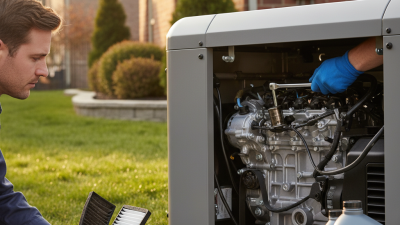
Reliable service depends on more than replacing oil on a calendar. A qualified technician follows the Kohler model’s maintenance schedule and records each finding. They may check battery voltage, inspect terminals for corrosion, and confirm that the transfer switch responds correctly. During a test, the generator should start cleanly, carry an appropriate load, and shut down without unusual noise. These details provide practical evidence of readiness.
The benefits are clear. Regular care can improve reliability, protect equipment, and support safer operation during outages. It may also help preserve warranty expectations when documented correctly. Still, service is not a magic guarantee. Age, weather, fuel quality, installation problems, and neglected repairs can change the outcome. That part is easy to overlook. Owners should ask what was inspected, what was measured, and what needs attention next. Choosing trained professionals with relevant Kohler experience adds confidence, especially for commercial sites or whole-house systems. A thoughtful service plan is not simply an expense; it is a risk-management decision based on evidence, condition, and realistic operating needs.
What Is a Kohler Generator and How Does Its Service Work?
A standby generator converts stored fuel into electricity when utility power fails. A transfer switch detects the interruption and moves selected circuits to generator power. That sequence sounds simple. It depends on timing, fuel quality, battery strength, and accurate controls.
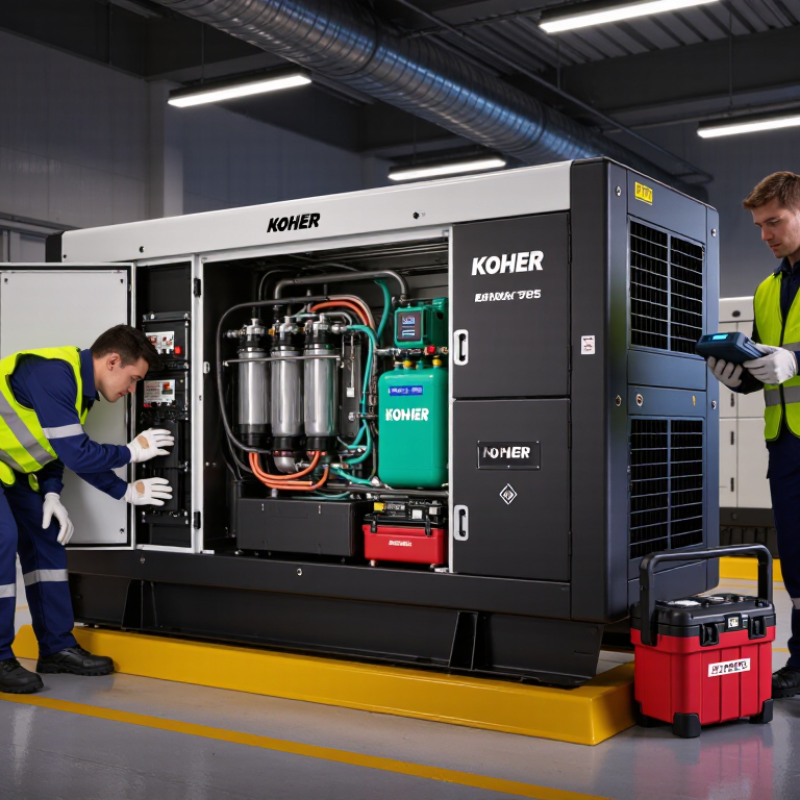
Generator service is a planned inspection, test, and repair process. A qualified technician checks engine oil, coolant, belts, filters, wiring, terminals, and exhaust paths. They start the engine, verify voltage and frequency, and test the automatic transfer switch. A controlled load test matters. It shows whether the unit can carry real demand, not merely idle. NFPA 110 emphasizes regular inspections, exercising, and functional testing for emergency power systems.
The need is measurable. The U.S. Energy Information Administration reported about 5.5 hours of electricity interruptions per customer in 2022, including major events. Reliable backup power therefore depends on readiness before the outage begins. Maintenance schedules are not magic, though. A missed battery replacement or corroded terminal can stop a healthy-looking engine. Technicians should record test results, fuel condition, alarm history, and corrective work. Small details matter. An overlooked low coolant level may become an overheated engine during a storm. Service plans should also reflect local weather, operating hours, and the loads connected to the generator.
What Is Generator Service and Why Is It Important?
Generator service is a planned set of inspections, tests, cleaning, and component replacements that helps a standby generator start reliably when utility power fails. The chart shows common preventive-maintenance frequencies for key service activities. Actual intervals should always follow the generator’s operating conditions and maintenance manual.
Weekly exercise checks confirm that the unit can start and run. Monthly inspections help identify battery, fuel, coolant, leakage, and control-panel problems. Annual servicing commonly includes a more comprehensive inspection, fluid review, electrical testing, and replacement of age-sensitive maintenance items when required.
What Services Are Included in Kohler Generator Maintenance?
Generator maintenance is more than an oil change. A qualified technician begins with a visual inspection of the engine, wiring, fuel system, exhaust, and enclosure. They check for leaks, corrosion, loose connections, cracked belts, and blocked ventilation. Battery terminals need cleaning and secure tightening. Coolant levels, hose condition, oil pressure, and filter life also require attention. Small faults matter.
Routine service should include starting tests, transfer-switch inspection, and a controlled load-bank test. The load test shows whether the generator can carry real electrical demand, not just start successfully. Technicians should record voltage, frequency, running temperature, fuel condition, and alarm history. NFPA 110 emphasizes periodic inspection, maintenance, and operational testing for emergency power systems. The Uptime Institute’s 2023 Global Data Center Survey reported that about 60% of operators experienced an outage within three years. That figure makes documented testing difficult to dismiss.
Experienced technicians also inspect battery chargers and verify automatic startup settings. They may update service schedules after reviewing runtime, climate, and dust exposure. A coastal site needs different corrosion checks than a clean indoor facility. No checklist catches every failure. That assumption deserves reflection. Service records should include readings, replaced parts, photographs, and unresolved concerns. Keep records. A generator can look clean while hiding a weak battery, restricted fuel flow, or a transfer switch that fails only during an actual outage.
How Does Kohler Generator Service Support Reliable Performance?
Generator service means scheduled inspection, testing, cleaning, and repair by trained technicians. It supports reliable performance by finding small faults before they become expensive failures. During a practical inspection, a technician may check oil levels, battery voltage, fuel lines, wiring, belts, filters, and control panels. Each detail matters. A loose connection can stop an otherwise healthy generator.
Load testing is especially important. A generator may start perfectly without carrying real electrical demand. Under load, weak batteries, overheating, unstable voltage, or poor fuel delivery can appear quickly. Technicians record readings and compare them with manufacturer specifications. These records create a useful maintenance history and help identify gradual changes. I have found that written records often reveal patterns that memory misses.
Service also includes exercising the generator at suitable intervals. This keeps moving parts active and shows whether the automatic transfer system responds correctly during an outage. Batteries deserve close attention because they can fail quietly. Small oversights happen. A missed battery test or neglected air filter may reduce response time when power is needed most.
Good service is not only about replacing parts. It requires safe procedures, accurate measurements, and honest reporting. A technician should explain urgent defects, possible risks, and repair priorities in clear language. Service intervals may need adjustment for dusty sites, long operating hours, extreme temperatures, or poor ventilation. No plan is perfect. Reviewing the maintenance history after every major event can reveal what should change.
When Should a Kohler Generator Be Inspected or Repaired?
When Should a Standby Generator Be Inspected or Repaired?
A standby generator needs inspection before it becomes an emergency solution. NFPA 110 recommends monthly checks for emergency power systems and an annual load test. These intervals are practical, not decorative. During a monthly visit, a technician should examine oil levels, coolant, belts, battery terminals, fuel lines, exhaust parts, and alarm indicators. The unit should start cleanly and reach stable voltage without unusual vibration.
Repair is necessary when warning signs appear. Hard starting, hunting speed, dark exhaust smoke, fuel odors, coolant stains, or repeated shutdown alarms deserve prompt attention. A weak battery may look harmless until a winter outage exposes it. A load-bank test can reveal problems that a short no-load start cannot. The U.S. Energy Information Administration’s reliability reports show that customers can experience lengthy power interruptions each year, especially when major weather events are included. Waiting for failure is a poor maintenance strategy. Still, inspection records are sometimes incomplete, and that weakness should be acknowledged.
Tips: Keep a dated service log. Record running hours, test results, fluid changes, battery readings, and unresolved faults. Schedule an inspection before storm season, after extended operation, and whenever the generator serves medical, commercial, or critical equipment. Use qualified technicians for fuel, electrical, and exhaust repairs. A clean enclosure helps, but cleanliness does not prove readiness. Test it. Document it. Recheck doubtful results.
How Can Professional Service Extend Generator Life and Safety?
What Is Kohler Generator Service and Why Is It Important?
How Can Professional Service Extend Generator Life and Safety?
Professional generator service is more than changing oil. It combines inspection, testing, cleaning, and documented repairs. Technicians examine batteries, coolant, fuel lines, exhaust systems, wiring, and transfer equipment. They also perform controlled load-bank tests, which reveal weak performance before an outage exposes it.
Small faults grow quickly. A loose battery connection may prevent starting. A clogged fuel filter can cause unstable output. A technician may notice a faint fuel odor, dark exhaust, or a swollen hose during a routine visit. These details seem minor. They are not.
The U.S. Energy Information Administration reported about 5.5 hours of average electricity interruption per customer in 2022, including major events. Reliable standby equipment therefore needs readiness, not occasional attention. NFPA 110 provides recognized inspection, testing, and maintenance expectations for emergency power systems. Professional service follows these principles while adapting checks to operating hours, climate, fuel condition, and site risk. Uptime Institute’s 2023 outage analysis also identified power problems as a leading cause of serious data-center incidents. Service cannot prevent every failure. That deserves honest attention. Yet regular testing reduces starting uncertainty, limits heat and vibration damage, and helps confirm safe transfer during a real interruption. Technicians should record measurements, not simply mark a checklist complete.