Why Do You Need a Generator Standby for Your Home?
Power outages can occur unexpectedly. They disrupt daily life, affect food storage, and even impact health. In fact, data from the U.S. Department of Energy indicates that power outages have increased by over 50% since 2010. This alarming trend highlights the importance of preparedness.
A generator standby can be a lifesaver during these crises. It ensures continuous power supply, safeguarding essential appliances and systems. A recent study found that homes with a generator standby reduce their risk of food spoilage significantly. This is crucial for families who rely on refrigeration for their diet.
Yet, many homeowners overlook the need for backup power. Some consider it an additional expense rather than a necessity. This mindset can lead to serious consequences during emergencies. Investing in a generator standby can offer peace of mind and security. Reflecting on this, it’s evident that preparedness is key in our modern lives.
Understanding the Basics of Generator Standby Systems
Generator standby systems are essential for modern homeowners. These systems provide backup power during outages, ensuring essential appliances remain operational. According to the U.S. Department of Energy, power outages have increased by 124% over the last decade. This alarming statistic highlights the need for reliable energy solutions.
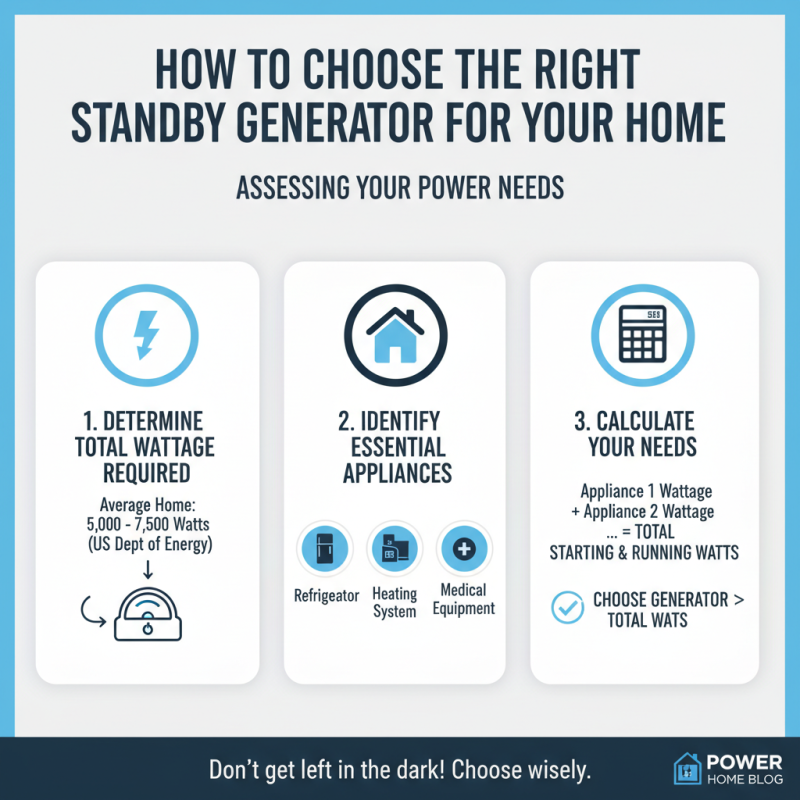
When choosing a standby generator, consider the wattage required to support your home’s critical appliances. The average household requires between 5,000 to 7,500 watts for basic functions. However, peak demands can be higher, especially during severe weather. Assess your needs carefully.
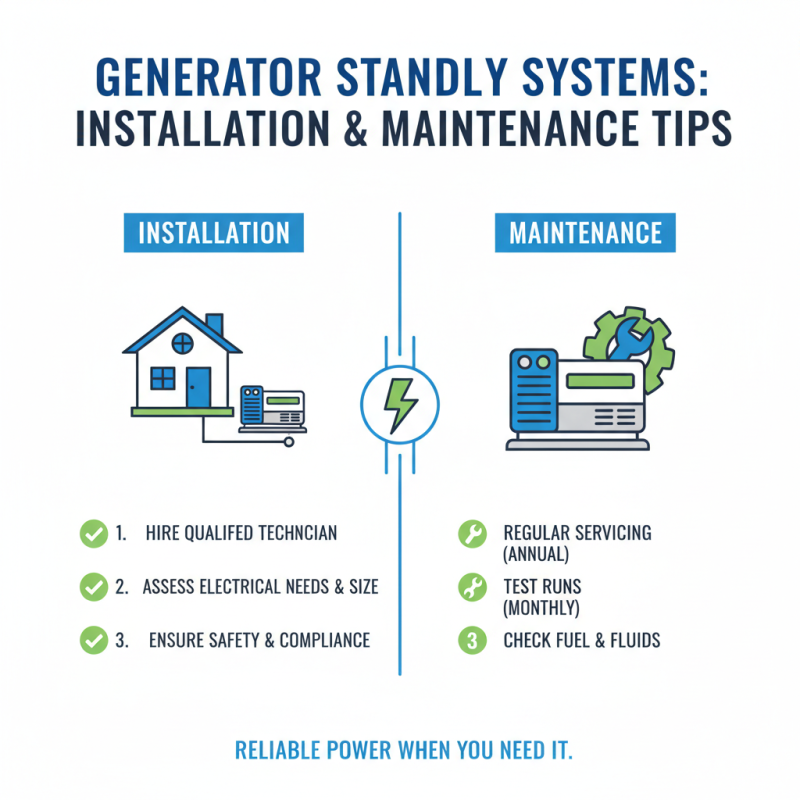
Tips: Regular maintenance is key. Check the generator battery and fuel levels every month. Ensure it’s ready for emergencies. Also, install carbon monoxide detectors to enhance safety.
The installation process can be complex. It’s important to follow local codes and regulations. Conducting a poorly executed installation may lead to dangerous situations. Always consult with a professional. Some homes might even require larger systems, reflecting the unique energy demands they face. Understanding these factors profoundly influences your decision on a generator.
The Benefits of Having a Standby Generator at Home
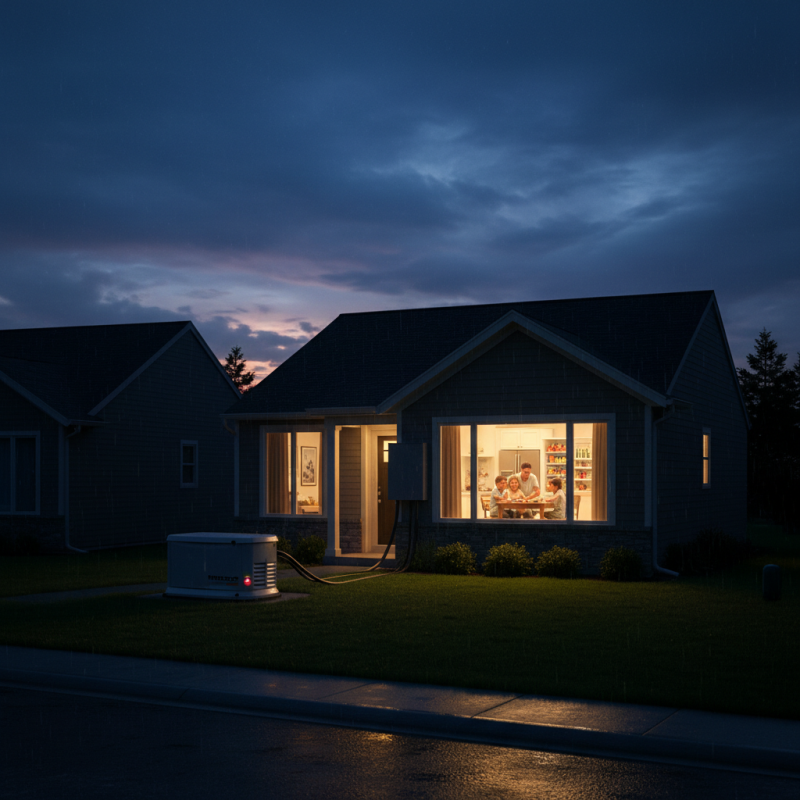
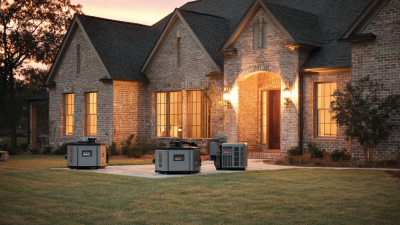
A standby generator offers significant benefits for homeowners. When a power outage occurs, it automatically kicks in. This means no more worrying about food spoiling in the fridge. Imagine sitting in your living room with lights on during a storm. It provides comfort that is hard to overlook.
Safety is another crucial aspect. Without power, you could lose access to heating or cooling systems. A standby generator ensures that your home remains safe and livable. It protects against extreme weather conditions. Moreover, it can help keep medical devices running smoothly. This makes it vital for families with special needs.
However, there may be initial costs and maintenance to consider. Installation might feel overwhelming. Some people hesitate to take that first step. Yet, the peace of mind it offers is invaluable. Power outages are unpredictable. A standby generator brings a sense of security, even when it's not in use. That’s something worth reflecting on.
Benefits of Having a Standby Generator at Home
How to Choose the Right Generator Standby for Your Needs
Choosing the right standby generator for your home is essential. The first step is to assess your power needs. According to the U.S. Department of Energy, an average home requires between 5,000 to 7,500 watts to run essential appliances. Identifying which appliances are vital during outages is crucial. This includes refrigerators, heating systems, or medical equipment. Calculating the wattage required for these devices will help you narrow down your options.
Next, consider the generator's fuel type. Natural gas and propane are common choices. Each has pros and cons, depending on availability and costs. In a 2022 industry report, it was noted that around 20% of consumers preferred natural gas due to its convenience. However, some might find propane more reliable in rural areas. Review your space for installation too. Generators are available in different sizes. Ensure there’s enough room for ventilation and access for maintenance.
Lastly, reflect on your budget. Standby generators can range from a few thousand dollars to over fifteen thousand, including installation. Investing in quality can prevent future issues. Yet, it’s essential to match your choice with your financial situation. It's challenging, but ensuring you have the right power solution can ultimately safeguard your home.
Common Misconceptions About Home Generator Standby Usage
Many homeowners hesitate to install a standby generator due to common misconceptions. One prevalent belief is that such generators are only necessary in extreme weather events. In reality, a significant percentage of power outages occur due to aging infrastructure, not just storms. According to the U.S. Energy Information Administration, power outages have increased by 24% over the past decade. This means that reliance on centralized power can be risky.
Another misconception is the assumption that generators are overly complex and difficult to maintain. In fact, modern standby generators are designed for ease of use. They can automatically start within seconds of a power loss. Maintenance is typically limited to periodic checks and fuel management. The Federal Emergency Management Agency (FEMA) recommends that homes in areas prone to outages invest in standby systems. This investment often pays off, considering the average cost of an outage, which can range from $1,000 to $3,000.
Lastly, some people think that installing a generator is exceedingly expensive. While the initial cost may seem high, a standby generator can enhance property value. HomeAdvisor reports that homes with generators can see an increase in market value by an average of 10%. This value increase often offsets the initial hardware costs. Thus, while there are valid concerns, many misconceptions overlook the practical benefits of having a standby generator.